Community
Hancock MI
Hancock, MI real estate is older housing on steep ground, and in September 2026 it asks less per house and per square foot than Houghton across the bridge. Hancock is the smaller of the two cities on Portage Lake, sitting on the north shore across the Portage Lake Lift Bridge ... keep reading
What Is Hancock, MI Real Estate Actually Like?
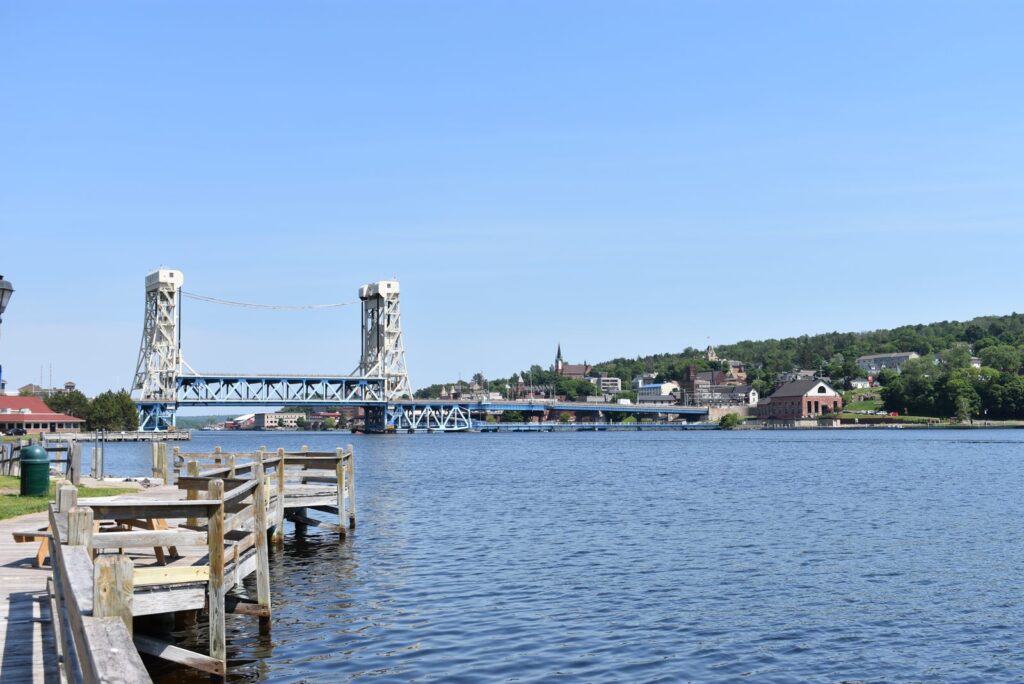
Hancock, MI real estate is older housing on steep ground, and in September 2026 it asks less per house and per square foot than Houghton across the bridge. Hancock is the smaller of the two cities on Portage Lake, sitting on the north shore across the Portage Lake Lift Bridge from Houghton. Winter is part of what you’re buying, and so is a region with no big-box building store and an economy that stays small outside health care and education.
A hospital, schools, and a downtown all sit inside the city, and open water, a ski hill, and cross-country trails start at the edge of town. A lot of the people who call us about property in the Copper Country are looking from hours away, sometimes a day’s drive or more, and the numbers they find online rarely agree with each other.
Is Hancock, MI a Good Place to Live?
Hancock, MI is a good fit for buyers who want a small, historic city with a hospital, schools, and year-round outdoor access, right across the Portage Lake Lift Bridge from Michigan Technological University. Living here also means long, snowy winters, streets that climb a steep hill, a city of about 4,500 people, and a housing stock that runs old.
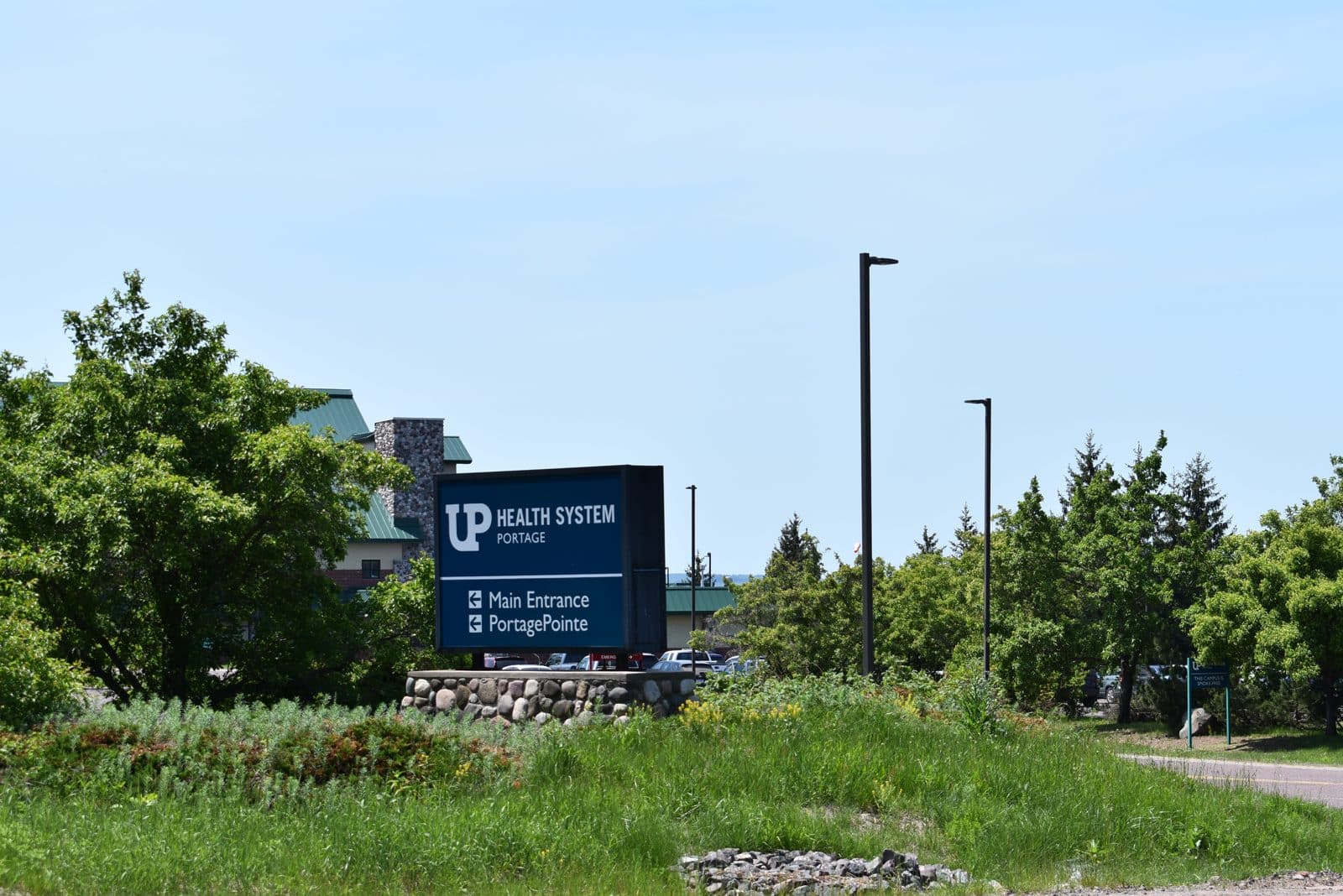
Day to day, the essentials are in town. UP Health System Portage, a 36-bed hospital at 500 Campus Drive, has served the area since 1896, and in July 2026 the State of Michigan reverified it as a Level III Trauma Center through June 2029. According to UP Health System, it remains the only Level III trauma center in the Upper Peninsula. Hancock Public Schools runs Barkell Elementary and Hancock Middle and High School, both inside Hancock. The city also runs its own on-call weekday bus service, Hancock Transit.
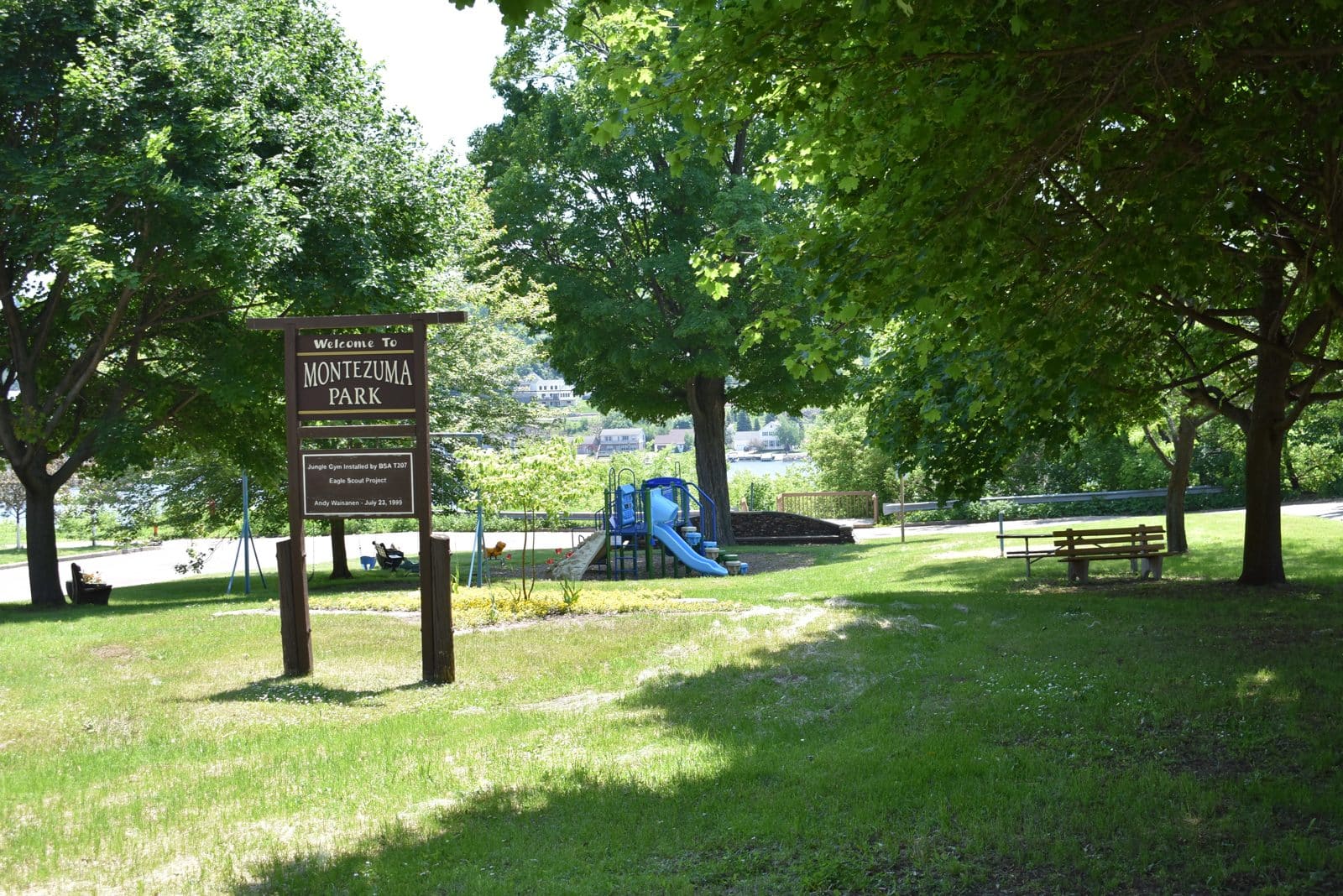
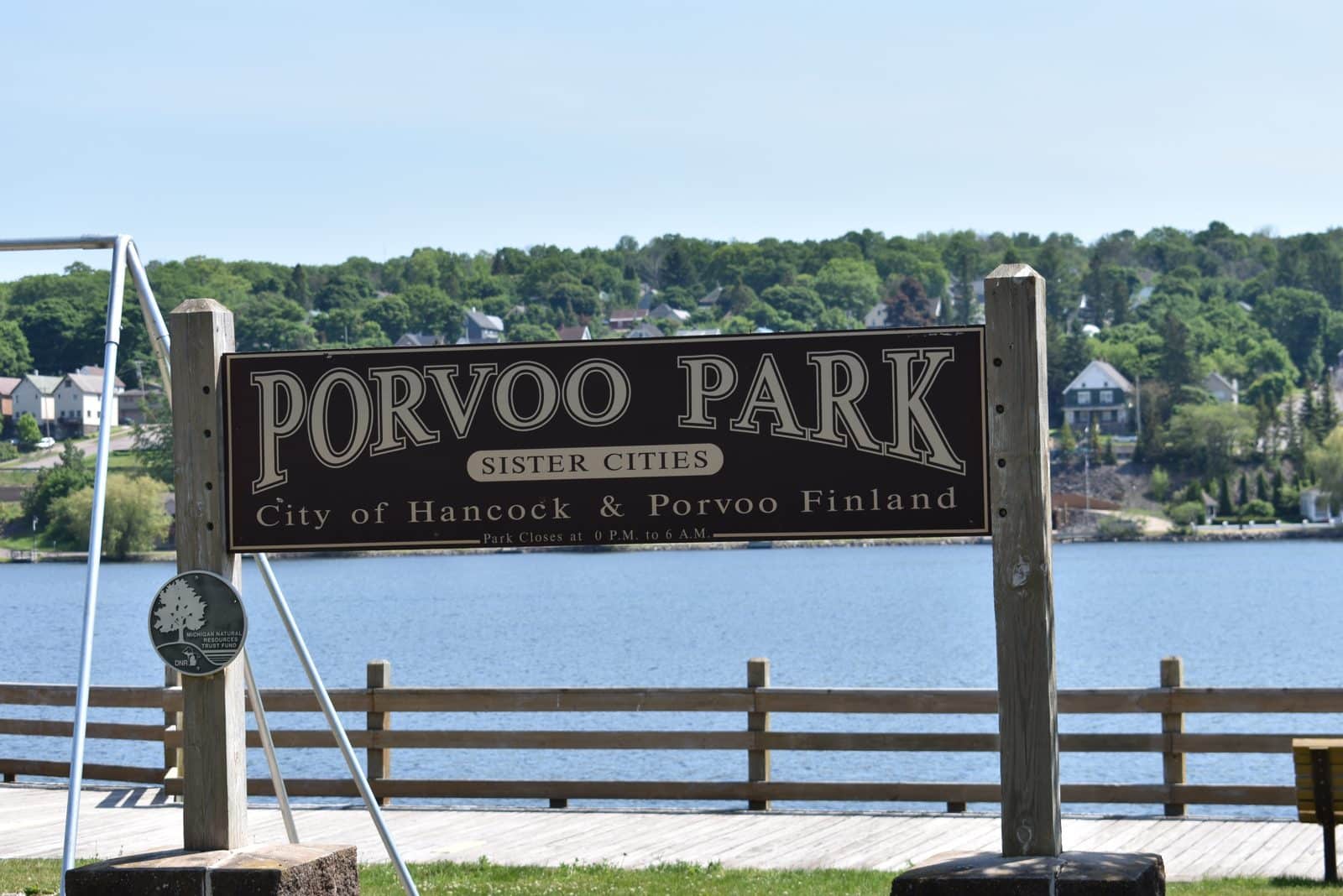
The outdoors starts at the city line. The city’s Hancock Recreation Area sits on Portage Lake 1 mile west of downtown on M-203, with more than 28 acres, a free 300-foot sand beach, a seasonal campground, and a boat ramp. The city also runs the Maasto Hiihto cross-country ski trail, the HoCo Arena for hockey and open skating, and more than 10 parks, including a dog park. Mont Ripley, Michigan Tech’s downhill ski area, sits just outside Hancock, about a mile from campus, and has a 440-foot vertical drop. Our Upper Peninsula real estate page covers the rest of the Copper Country beyond Hancock.
Hancock is the Copper Country’s center of Finnish-American heritage. It’s home to the Finnish American Heritage Center, and some of its street signs are printed in both Finnish and English. It also holds the 2026 Finno-Ugric Capital of Culture title.
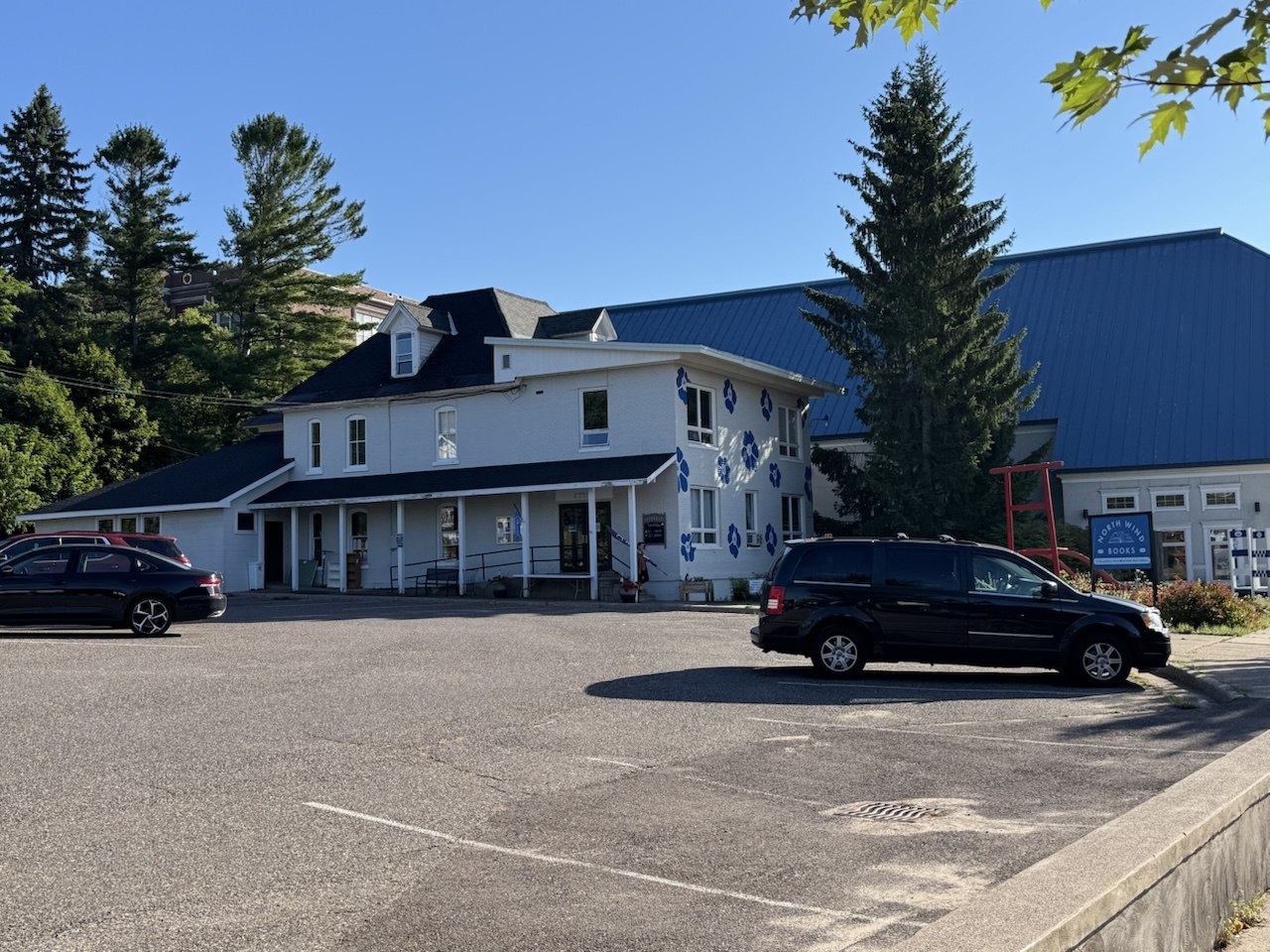
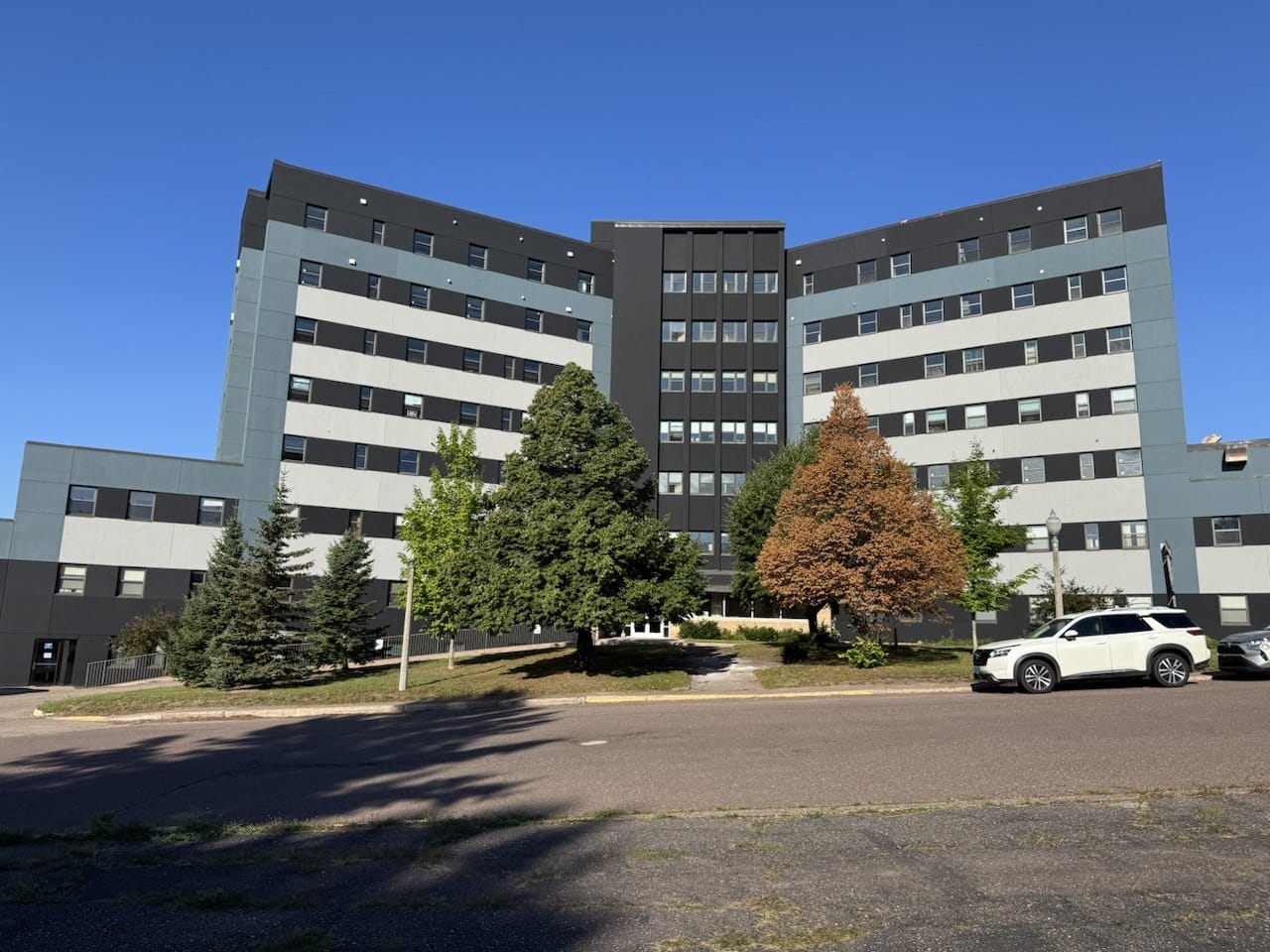
Finlandia University closed in 2023, and its former campus is finding new uses. The city bought three halls and is planning them as housing, and a former dormitory is slated to become graduate student housing, as The Keweenaw Report reported in July 2025.
How Is Hancock Different From Houghton?
Houghton is the bigger of the two and, in September 2026, the more expensive. It’s the county seat of Houghton County and home to Michigan Tech’s campus.
Hancock had 4,501 residents at the 2020 Census, and Houghton had 8,386. In September 2026, active listings with a Hancock address in the UPAR MLS asked a median of around $280,000, or about $130 per square foot, and Houghton homes asked around $350,000, or about $170. In that same UPAR MLS count on September 21, 2026, Hancock had about 31 active homes for sale and Houghton about 29, so the two sides carry similar inventory at different prices.
Each side has things the other doesn’t. The hospital, UP Health System Portage, is in Hancock, and Mont Ripley sits just outside Hancock to the east, while Michigan Tech’s campus is in Houghton. If you’re weighing the Houghton side, our Houghton, MI real estate page covers that market in the same detail.
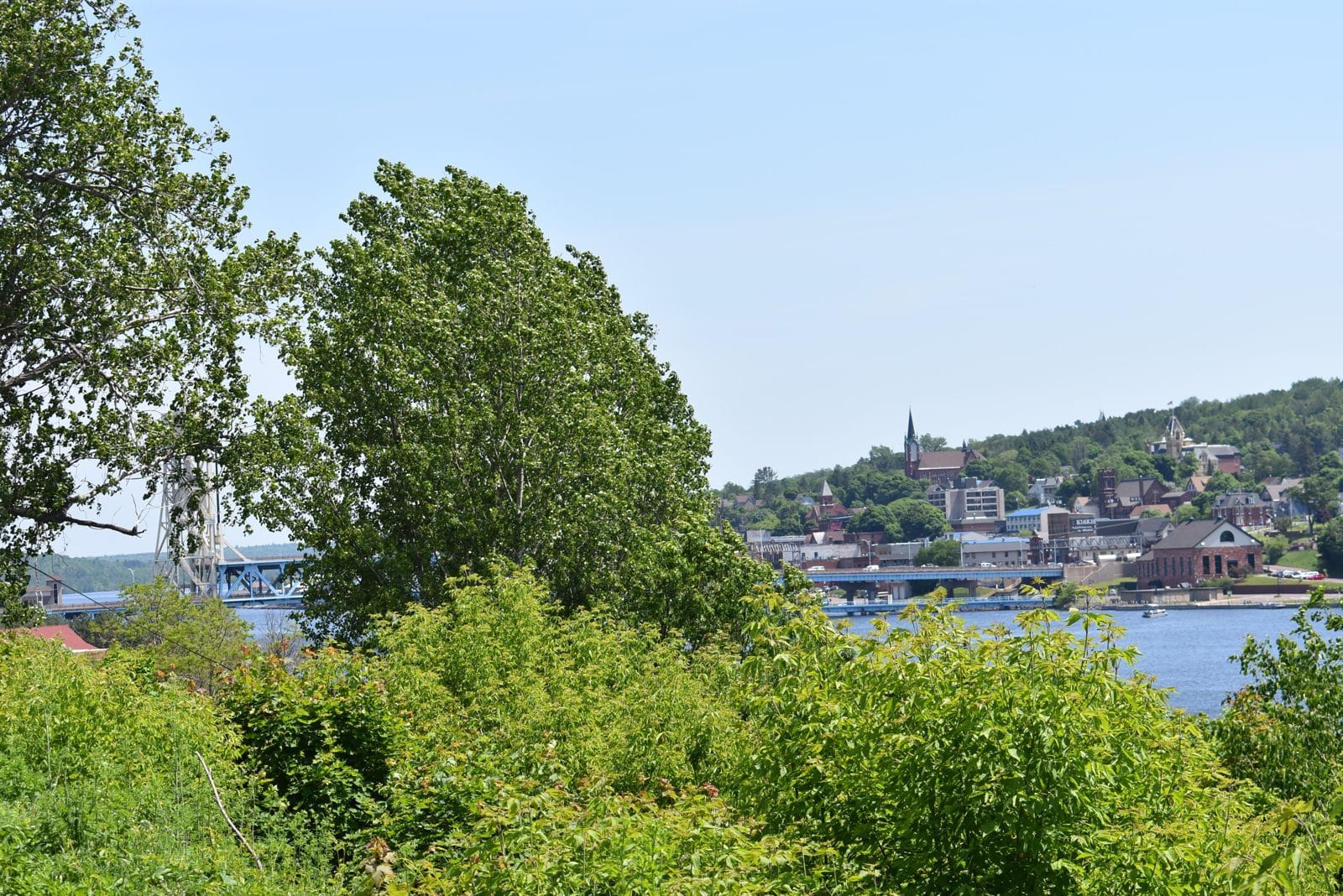
The Portage Lake Lift Bridge joins Hancock and Houghton, and it’s the only road across the canal. According to the Michigan Department of Transportation, it carries US 41 and M-26 and more than 25,000 vehicles a day. Locals call the part of the Keweenaw north of the canal, Hancock included, Copper Island. In summer the bridge’s lift span sits at a middle height so smaller boats can pass under while traffic keeps moving.
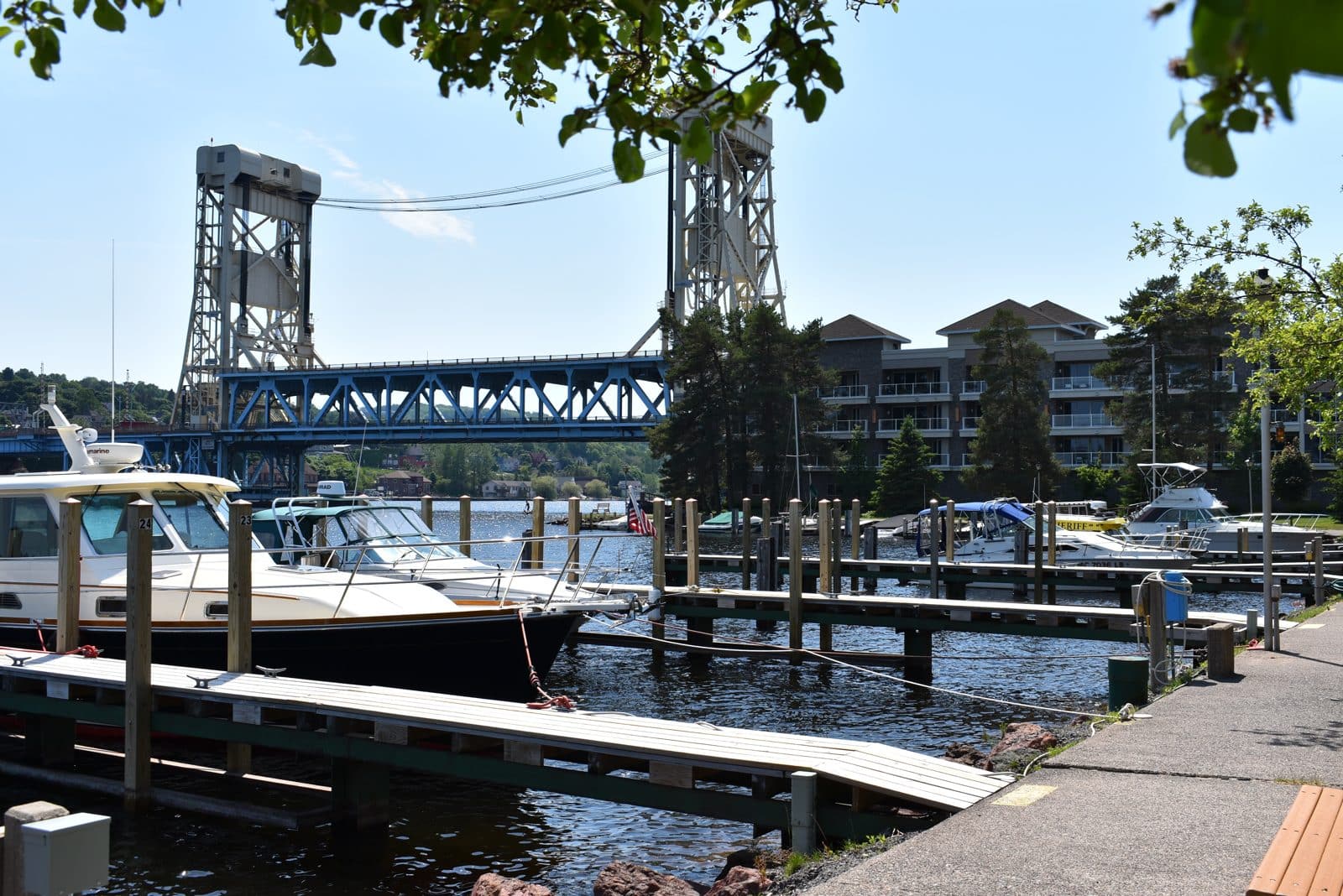
Since every trip between the towns crosses the bridge, living on one side doesn’t cut you off from the other. The choice comes down to price, the hill, and which city’s rules and tax rates apply to the house.
Where to Look in and Around Hancock
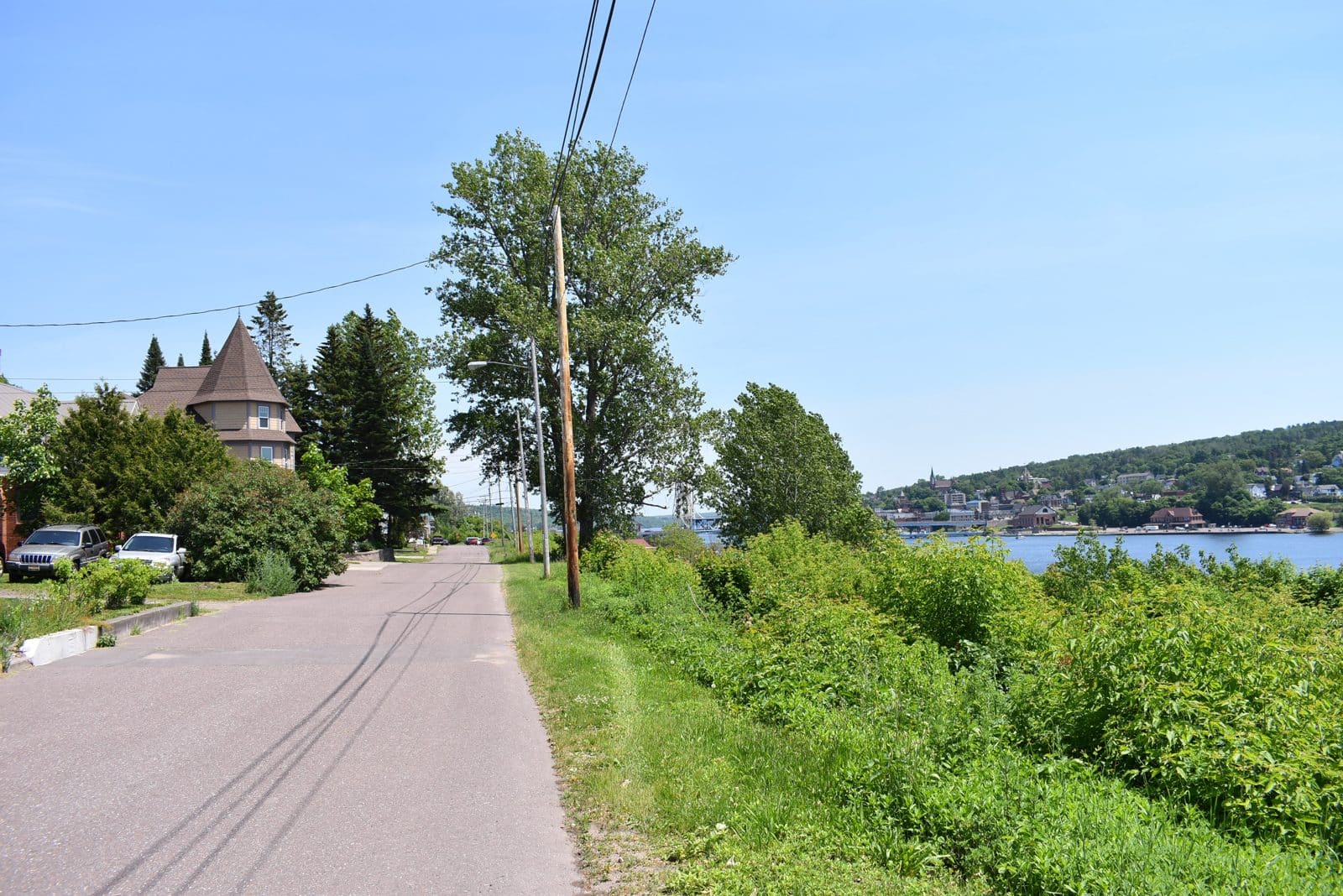
The Hancock area falls into four kinds of places, from historic in-town streets to township acreage. The first thing that separates them is whether a property sits inside the City of Hancock, on city water and sewer, or out in a township, where a private well, a septic system, and propane are the norm.
Downtown and East Hancock
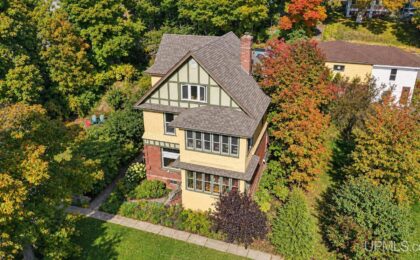
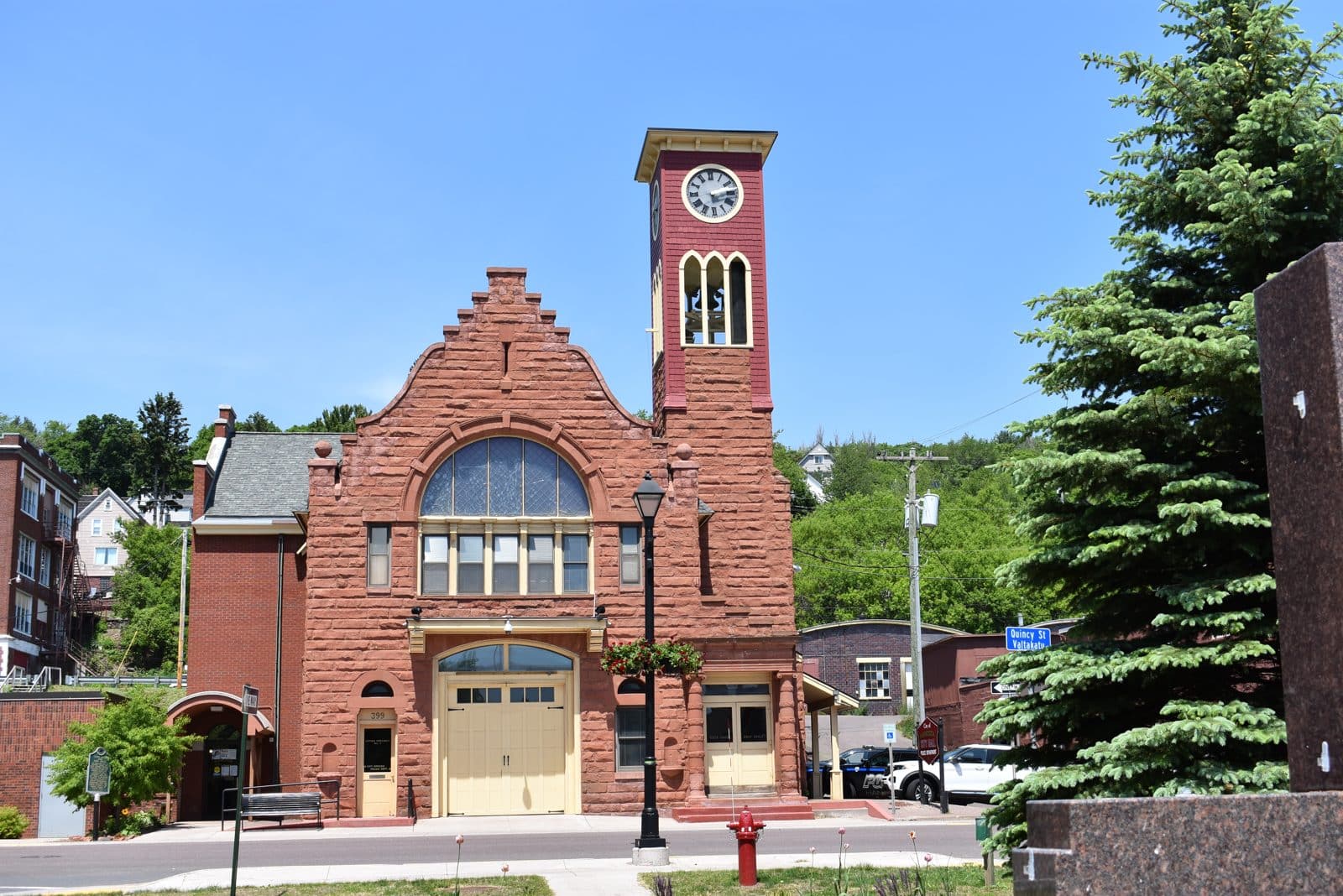
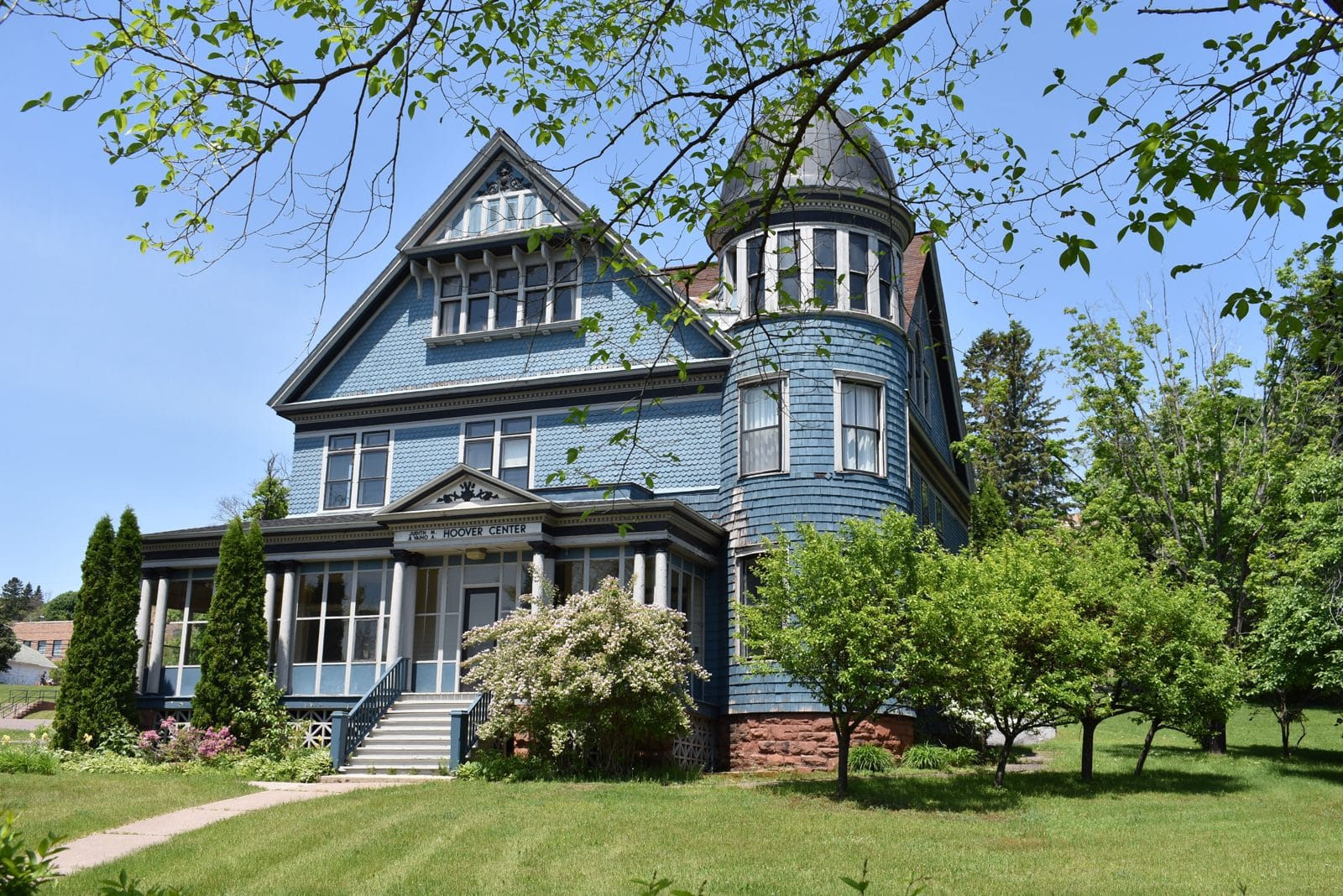
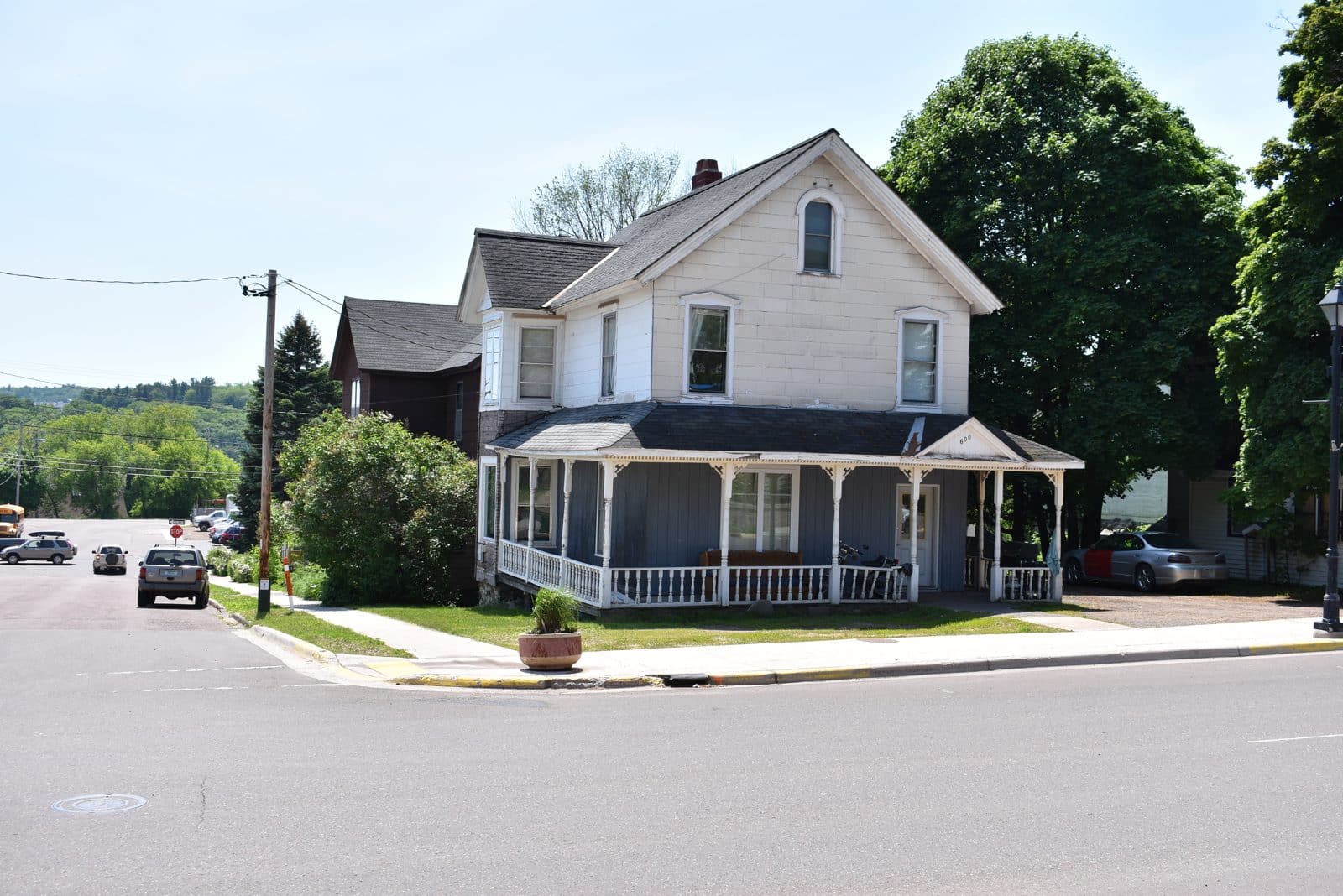
Hancock’s oldest streets are downtown along Quincy Street and in the East Hancock neighborhood just east of it, and both are on the National Register of Historic Places. The first three blocks of Quincy Street form the Quincy Street Historic District, listed in 1988, with commercial buildings mostly from 1880 to 1915. City Hall, at 399 Quincy Street, was built in 1899. The East Hancock Neighborhood Historic District, roughly bounded by Front, Dunston, and Vivian Streets and Mason and Cooper Avenues, was listed in 1980 and holds 88 homes. Most were built between 1890 and 1920 in styles such as Queen Anne and Shingle Style, in a neighborhood that grew up around the Quincy Mine’s managers and employees.
Across the area Hancock Public Schools serves, roughly two-thirds of the housing was built before 1970. Homes on these streets have city water, sewer, and trash pickup, and houses this age deserve a careful inspection of their systems and foundations. If you’re planning exterior changes, ask the city about any local rules first.
Up the Hill Toward Campus Drive
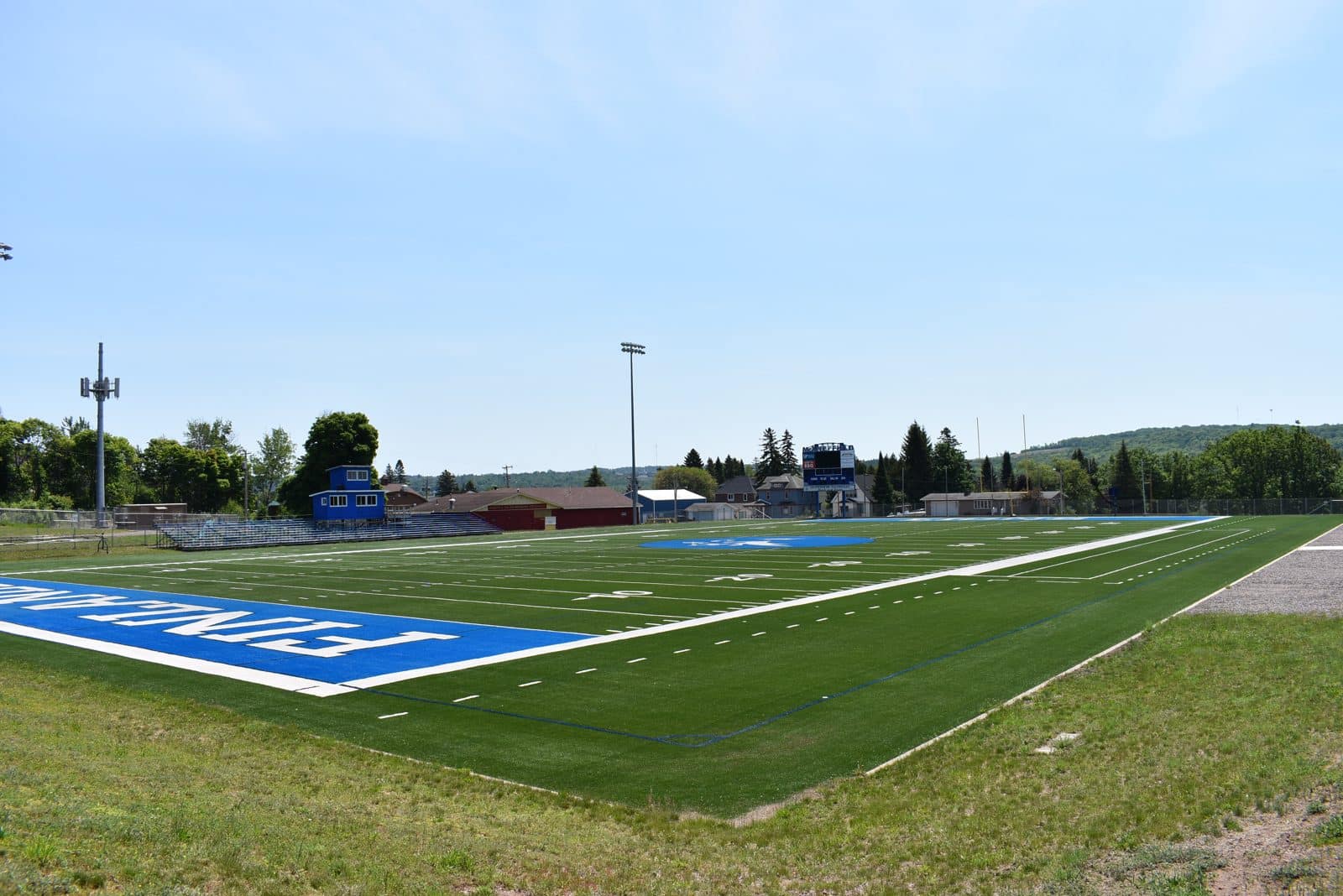
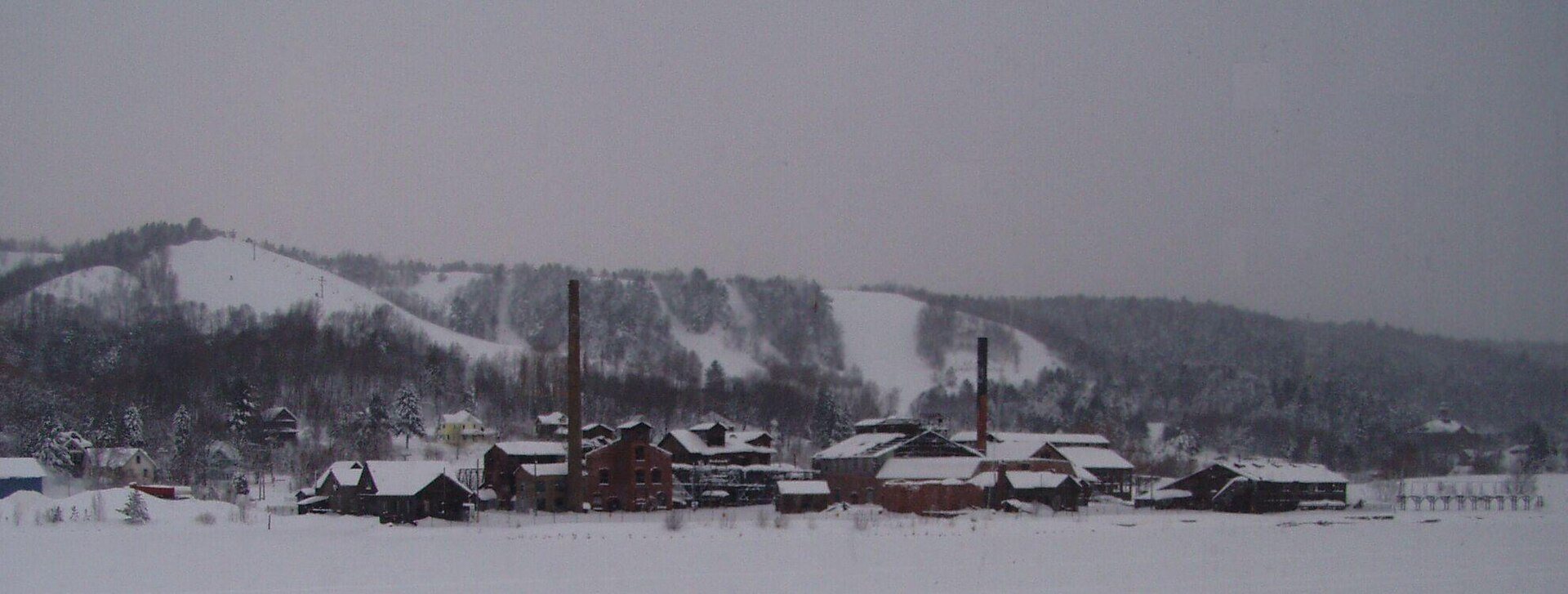
The upper part of Hancock is organized around Campus Drive, where UP Health System Portage at 500 Campus Drive and Hancock Middle and High School at 501 Campus Drive sit side by side. Less than a mile away is the Hancock Business and Technology Park, on Dolomite Drive off Lake Annie Road. It’s marketed for business use under restrictive covenants, which are rules recorded against the deed, so it isn’t a place to build a home. Above it all is Quincy Hill, where the Quincy Mine, a National Historic Landmark district that operated from 1846 to 1945, sits just outside the city limits in Franklin Township. The climb is steep: the ground rises more than 500 feet from the canal, at about 600 feet above sea level, to the Franklin Mine area on Quincy Hill, at about 1,180 feet.
West Along the Canal on M-203
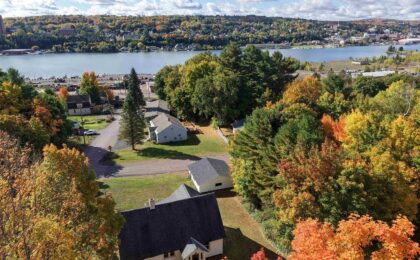
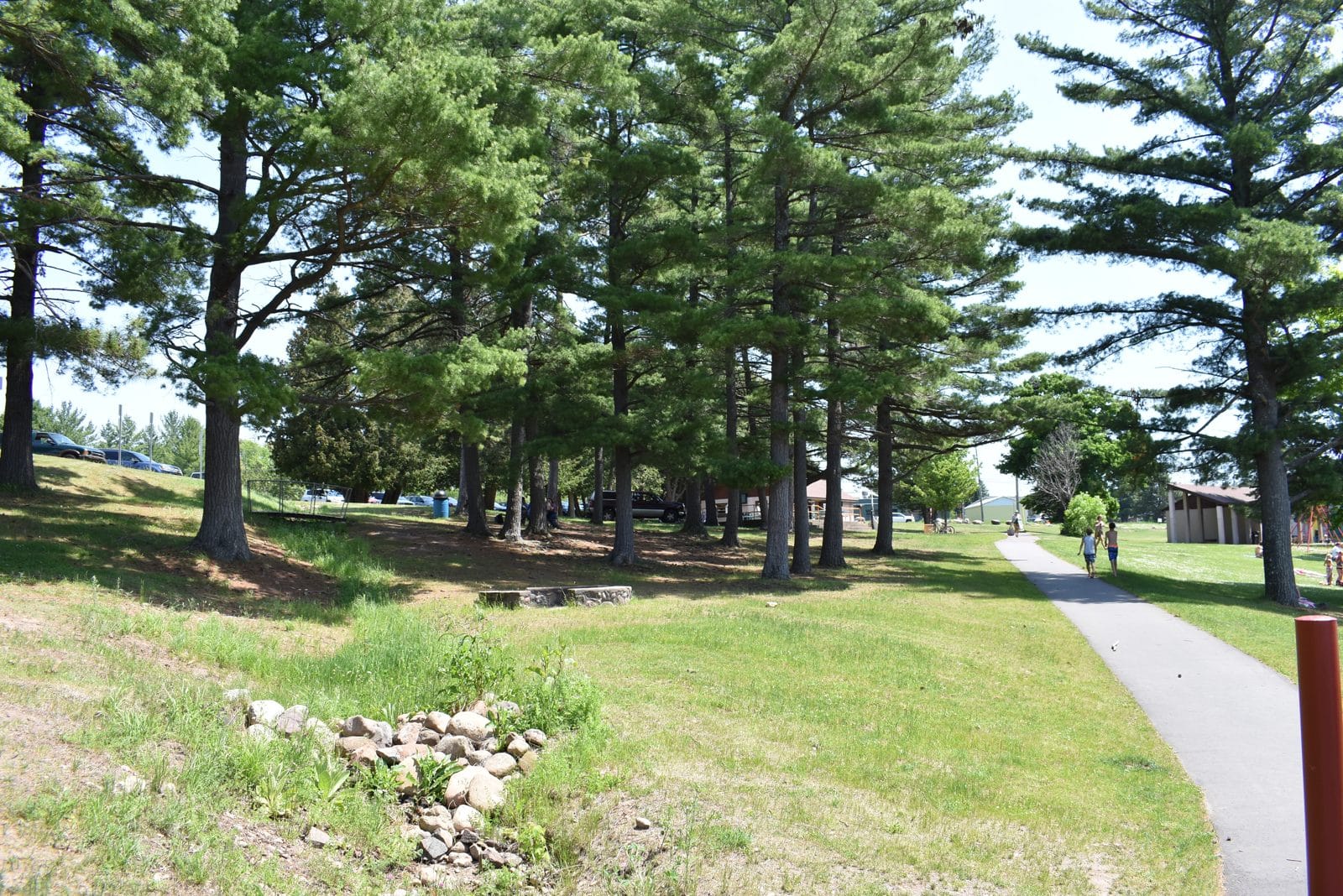
Water frontage is the draw west of downtown. M-203 leaves Hancock as the western continuation of Quincy Street and follows the north shore of the canal, lined with homes most of the way. It passes the city’s Hancock Recreation Area, 1 mile west of downtown, which has more than a mile of Portage Lake shoreline. From there it continues to McLain State Park on Lake Superior, about halfway between Hancock and Calumet. Many properties along M-203 beyond the city limits still carry a Hancock mailing address, because the 49930 ZIP code reaches well past the city. Frontage rights, dock permits, and flood status vary parcel by parcel, so before you buy on the water, read our waterfront homes page on what to check.
East and North Into the Townships
Acreage and room start where the city ends. At the north end of the lift bridge, M-26 turns east through Ripley, at the base of Mont Ripley, toward Dollar Bay, about 3 miles east of Hancock. In September 2026, listings east of town around Point Mills included homes on 10 acres or more and homes with canal frontage. Beyond the city, the 49930 ZIP code reaches into five townships. For scale, at the 2020 Census Franklin Township had about 1,500 residents, Hancock Township 500, and Quincy Township 375.
Out here the township, not the city, handles zoning and assessing, and a well, a septic system, and propane come with the ground. Internet is the utility to check first. There’s no reliable way to type an address into a lookup and see what actually reaches it, so ask the seller who serves the property and what speeds they really get. What we see is Starlink and the state’s push to wire Michigan for high-speed internet shrinking that gap for people working remotely, but neither one answers the question for a specific parcel.
Is a Hancock Address in the City of Hancock?
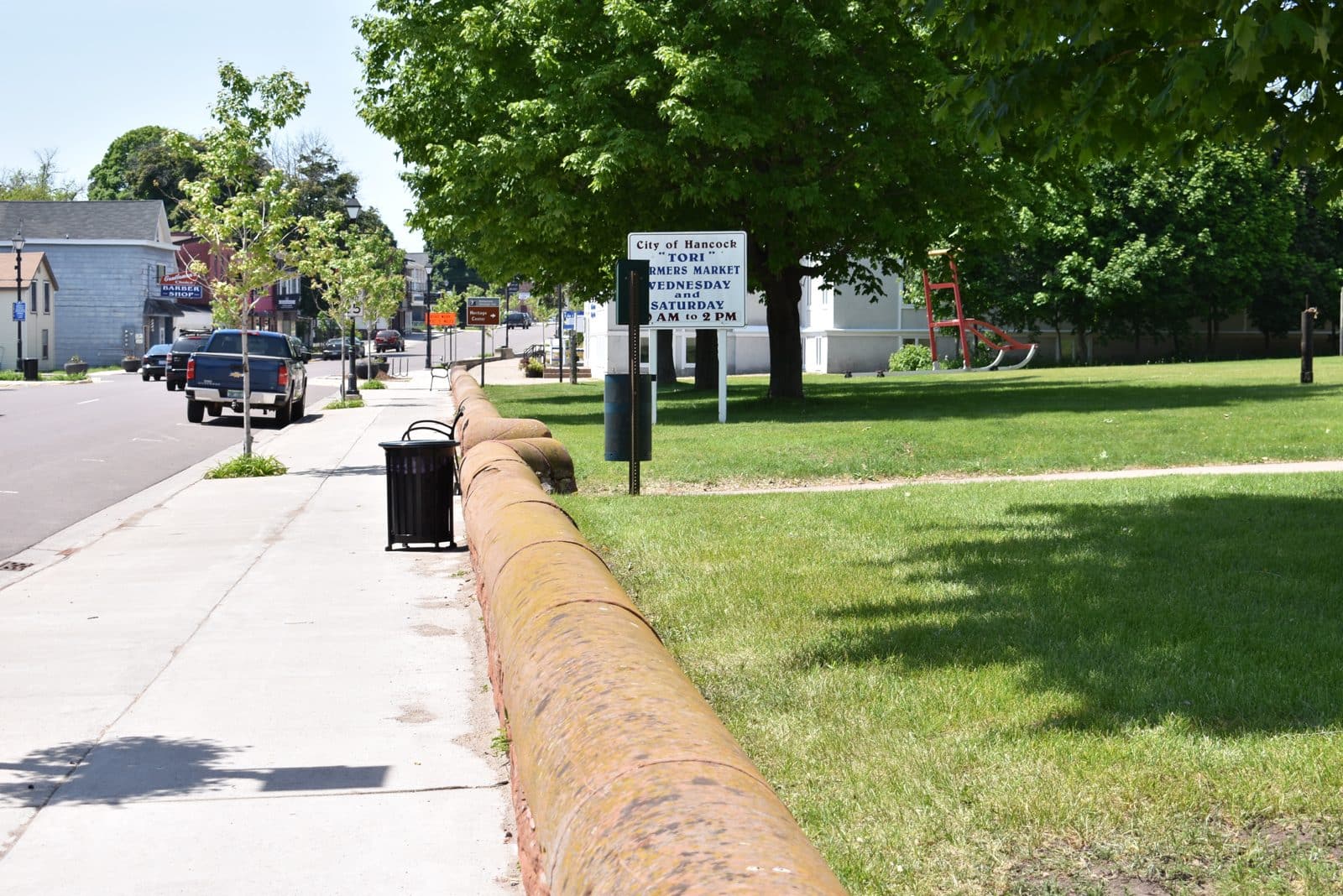
Not always. The City of Hancock covers about 2.8 square miles, while the 49930 ZIP code covers about 49 square miles of land and reaches into parts of Franklin, Quincy, Hancock, Osceola, and Torch Lake townships. Even landmarks people think of as Hancock sit outside the city: the Quincy Mine and Mont Ripley are both in Franklin Township.
The city line decides more than the return address. Inside the City of Hancock:
- Water and sewer are city services, billed monthly by the city, with trash pickup on the same bill.
- Parking on any city street is banned from 2:30 a.m. to 7 a.m., November 1 through April 30, under the city’s winter parking ordinance.
- Every rental property must be registered with the city, pass an inspection, and carry an annual rental license, and maximum occupancy depends on the property’s zoning district.
Outside the city, the township sets its own rules and has its own assessor, and propane comes with the ground. Inside the city, you’re mostly paying connection charges to tie into lines that already run down the street. Where those lines don’t reach, you pay to install the systems yourself, a well for your water and a septic field for what leaves the house. Township rules differ from one township to the next, so the township office is the place to confirm them. Schools follow a different line again: Hancock Public Schools serves the city plus Franklin, Quincy, and Hancock townships, and parts of the ZIP code beyond those may fall in another district, so confirm the district for any property there.
The way to know for sure is the tax bill or the assessor’s record, which names the local unit, either the City of Hancock or the township. Then confirm any rule that matters to you with that office before you make an offer.
Property Taxes Inside the City of Hancock
According to the City of Hancock’s 2026 millage table, total millage inside the city is about 42 mills for a principal residence and about 60 mills for a second home, rental, or business property. The 18-mill difference is the school operating tax that homesteads don’t pay. One mill is $1 of tax for every $1,000 of taxable value, and rates change every year, so treat these as 2026 numbers.
Homestead
Your principal residence
About 42 mills
Exempt from the school operating tax. On an estimated $140,000 state equalized value, roughly $5,900 a year.
Non-Homestead
A second home, rental, or business property
About 60 mills
Pays the school operating tax on top of the rest of the bill. On the same estimate, roughly $8,400 a year.
City of Hancock 2026 millage. An estimate only, not the tax on any real property, and rates change every year.
To put those rates in dollars, here’s a rough estimate. Suppose the assessor’s state equalized value, or SEV, on a home is $140,000, which is half of a $280,000 market value, and the taxable value resets to that number after the sale. At the city’s 2026 rates, that works out to roughly $5,900 a year as a homestead and roughly $8,400 a year as a second home or rental. Your actual bill depends on the property’s value after the sale, whether it’s your principal residence, and that year’s rates.
Don’t budget off the seller’s tax bill. Across the whole city in 2026, total taxable value was about $163 million, only about two-thirds of the roughly $247 million total SEV. That gap exists because Michigan caps how fast a long-time owner’s taxable value can rise, and the cap comes off the year after the house changes hands. Our Houghton page explains how the homestead exemption and the reset after a sale work, and the same rules apply in Hancock.
These rates apply only inside the City of Hancock, not to township properties. To compare Hancock with a township or another city, use the Michigan Department of Treasury’s property tax estimator, which runs on current rates.
What’s Winter Like on Hancock’s Hill?
Hancock sits in the same lake-effect snow belt as Houghton. Because the city is built up a steep hillside, owning a home here in winter comes down to grades, parking, and where the snow goes. Long winters are the number one hesitation we hear from people thinking about a move to the Copper Country. You do have to be tough to live here, so it’s worth knowing what the season asks of a particular house before you own it.
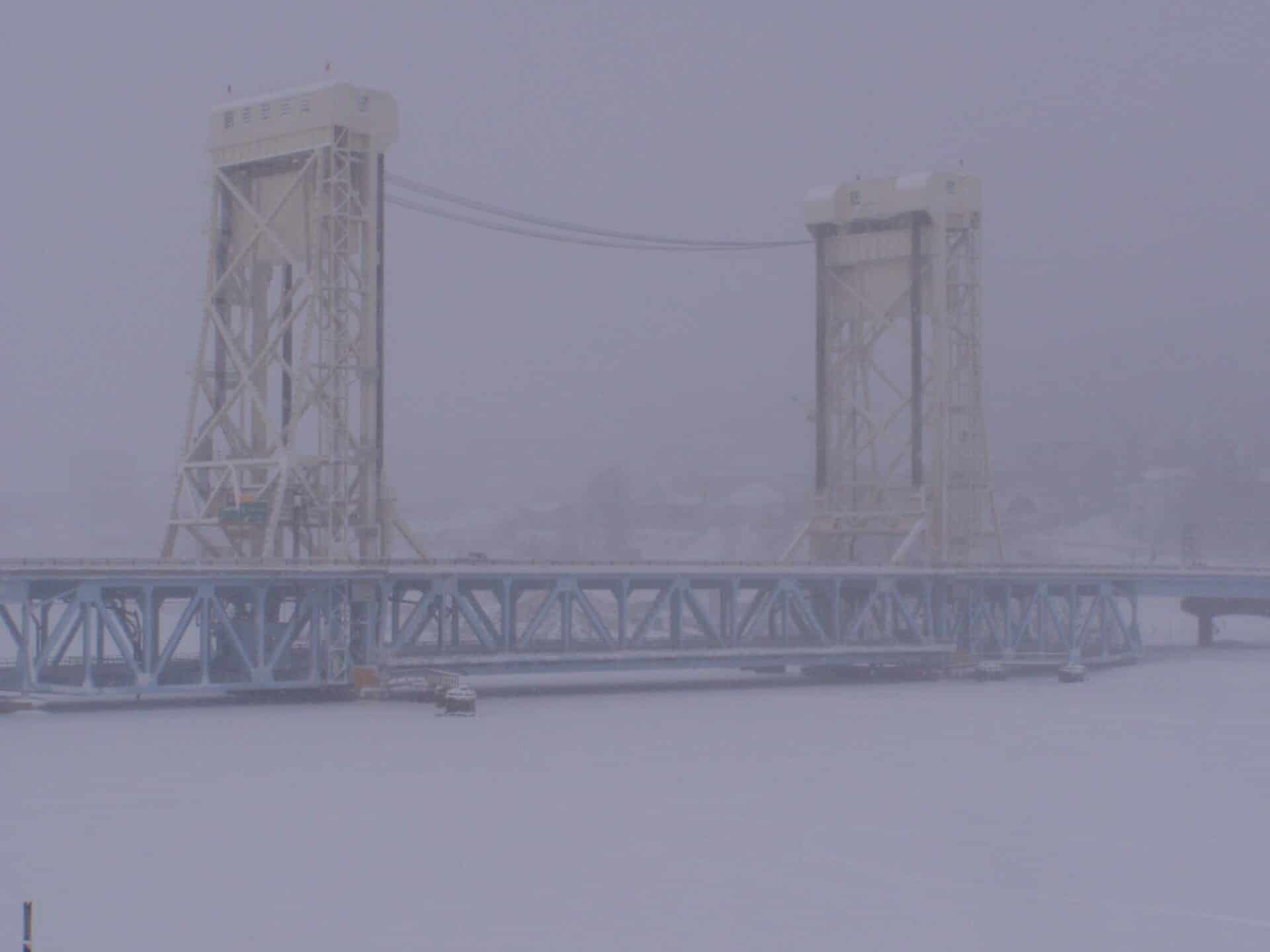
Two rules shape winter ownership inside the city. The city’s overnight winter parking ban runs November 1 through April 30, so if a house has no driveway or garage, work out where the car will spend winter nights before you make an offer. And Michigan law, MCL 257.677a prohibits depositing snow, ice, or slush on any road, with a civil fine of up to $100. The City of Hancock reminds residents that it can ticket for it.
On a hillside property, look at three things: the slope of the driveway, how you reach the garage, and where plowed snow will pile over a full winter. A steep driveway that empties onto the street with nowhere to put the pile is a different winter from a flat one with room on the side. Our Houghton page charts 50 winters of Michigan Tech snowfall records and walks through the roof, heating, and snow load checklist for older houses, and that checklist applies just as much across the bridge in Hancock.
Not everyone stays for all of it. Some owners spend about 6 months a year in the Copper Country and go south for the winter, and that works here because you can find trustworthy people to caretake a house while you’re away.
Winter has an upside here too. When the lift bridge is lowered, snowmobiles cross on its lower deck, and riders can follow trail routes from Copper Harbor south to Mass City and Greenland. Mont Ripley’s lifts and the city’s Maasto Hiihto cross-country ski trail both sit at the edge of Hancock.
Are Home Prices in Hancock Going Up?
Yes, by the City of Hancock’s own assessment records, property values in the city have climbed sharply since 2021. The number to look at is the city’s total SEV, the assessor’s valuation of every property in Hancock at half of market value. According to the City of Hancock’s assessment and millage page, the city’s total SEV went from about $143 million in 2021 to about $247 million in 2026, more than 70 percent higher. The biggest jumps came in 2023 and 2024, at about 15 and 16 percent, and growth ran roughly 9 to 10 percent in both 2025 and 2026.
That total needs one caveat. It covers every kind of property in the city, businesses and new construction included, so it shows the direction of the Hancock real estate market rather than what any single home gained.
Two things we see across the Copper Country are worth knowing alongside those numbers. Inventory has run thin since the spring of 2020, and it hasn’t come back to what it used to be. A house priced under about $150,000 in this market is usually small, or it needs work.
What’s for Sale in Hancock, and What It Costs
On September 21, 2026, about 31 homes with a Hancock address were actively listed in the UPAR MLS, and about 13 more were under contract. The UPAR MLS is the listing service Copper Country agents use. The median asking price on the active listings was around $280,000, or about $130 per finished sqft, and asking prices ran from under $40,000 to about $770,000. Here’s how the houses for sale in Hancock spread across four price ranges that day:
What was listed in Hancock, by asking price
Active home listings with a Hancock address in the UPAR MLS, September 21, 2026. Thirty-one in all.
The median asking price that day was around $280,000, or about $130 per finished square foot, and asking prices ran from under $40,000 to about $770,000.
Most of them were single-family houses. The rest included a few duplexes, other multi-family buildings, and at least one condo. These are asking prices, and what a home finally sells for can differ.
Land is a separate part of the Hancock, MI real estate picture. There were 29 land listings with a Hancock address that day, and 18 of them were lots in the Hancock Business and Technology Park on Dolomite Drive, which the listings mark as business lots under restrictive covenants. The other 11 land listings ran from about $30,000 to about $1.5 million, from single lots to large acreage. Zoning and taxes decide most of what a parcel is worth to you. The rest comes down to whether access is by public road or easement, whether utilities are available or you’ll be installing them, and whether any covenants are recorded against the lot.
Why the Listing Sites Disagree
The big national listing sites mix vacant land, including business park lots, into their Hancock totals, so they show more listings and a lower typical price than a count of houses would. They aren’t wrong, because they’re counting different things.
The numbers reconcile once you separate them. On September 21, 2026, the national sites showed somewhere between about 70 and 85 Hancock listings, and one put the median listing price under $190,000. The same day, the UPAR MLS count with a Hancock address came to about 44 houses (31 active and 13 under contract), 29 land listings (18 of them business park lots), and a handful of business listings. Added together, that lands inside the same range. The median across every Hancock listing, land included, was about $207,000, well below the median of around $280,000 for active homes alone.
Any “Hancock” count, national or local, covers the whole 49930 ZIP code, not just the city, so those totals take in township acreage and canal frontage along with in-town houses.
So here’s how to read any Hancock number you find. Count houses and land separately, check the date on any figure, and compare houses on year built, lot size, and finished square feet. Then ask for recent closed sales, because asking prices and computer estimates aren’t sale prices.
Hancock Real Estate FAQ
What’s the ZIP Code for Hancock, MI?
Hancock’s ZIP code is 49930. That ZIP code covers about 49 square miles of land, while the City of Hancock covers under 3, so a 49930 address can sit in a surrounding township instead of the city. The property’s tax bill shows which one it’s in.
How Many People Live in Hancock?
The City of Hancock had 4,501 residents at the 2020 Census. Roughly 7,000 people live in the wider 49930 ZIP code area around it, which takes in parts of the surrounding townships along with the city itself.
What Is Hancock, Michigan Known For?
Hancock is known for its Finnish-American heritage, and it’s the 2026 Finno-Ugric Capital of Culture, named by the international Finno-Ugric Capitals of Culture program and the first city in North America to hold the title. It’s also the northernmost city in Michigan, and it’s known for the Quincy Mine National Historic Landmark on the hill above town and the Portage Lake Lift Bridge to Houghton.
What School District Serves Hancock?
Hancock Public Schools serves the City of Hancock plus Franklin, Quincy, and Hancock townships, and it runs Barkell Elementary and Hancock Middle and High School. If you’re looking elsewhere in the 49930 ZIP code, confirm which district the property falls in.
How Far Is Hancock From Michigan Tech?
Michigan Technological University’s campus sits just across the Portage Lake Lift Bridge on the Houghton side, a short drive from downtown Hancock. Mont Ripley, Michigan Tech’s ski area, is on the Hancock side of the canal, just outside the city and about a mile from campus.
Looking at Property in Hancock?
State Wide works Hancock and the rest of Houghton, Keweenaw, Baraga, and Ontonagon counties, and the agent who takes your first call stays with you personally through closing. That’s the same person who shows you the property, writes the offer, and sits next to you at the closing table. If you’re thinking about Hancock, give us a call at 906-482-6955 or reach us through our contact page, and let’s talk about what you’re looking for.
Properties