
Blog Post
Upper Peninsula Fall Colors: When to Come to the Keweenaw

Author: Kevin Liimatta
September 1, 2026 | Upper Michigan Real Estate
People call me every fall asking when they should come up for the color. Most of what they find online about Upper Peninsula fall colors gives the whole region one date range, and the Keweenaw Peninsula doesn’t work that way. Color arrives here on more than one schedule, and the ridge can be well into… keep reading
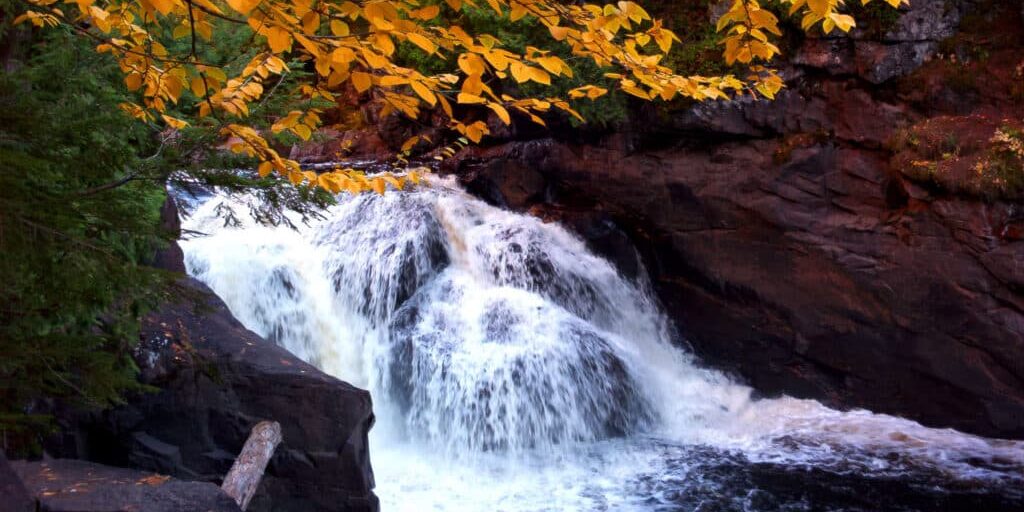
People call me every fall asking when they should come up for the color. Most of what they find online about Upper Peninsula fall colors gives the whole region one date range, and the Keweenaw Peninsula doesn’t work that way. Color arrives here on more than one schedule, and the ridge can be well into color while the shoreline is still green. Here’s when color actually peaks in the Keweenaw, why different parts of the peninsula turn at different times, and where to drive.
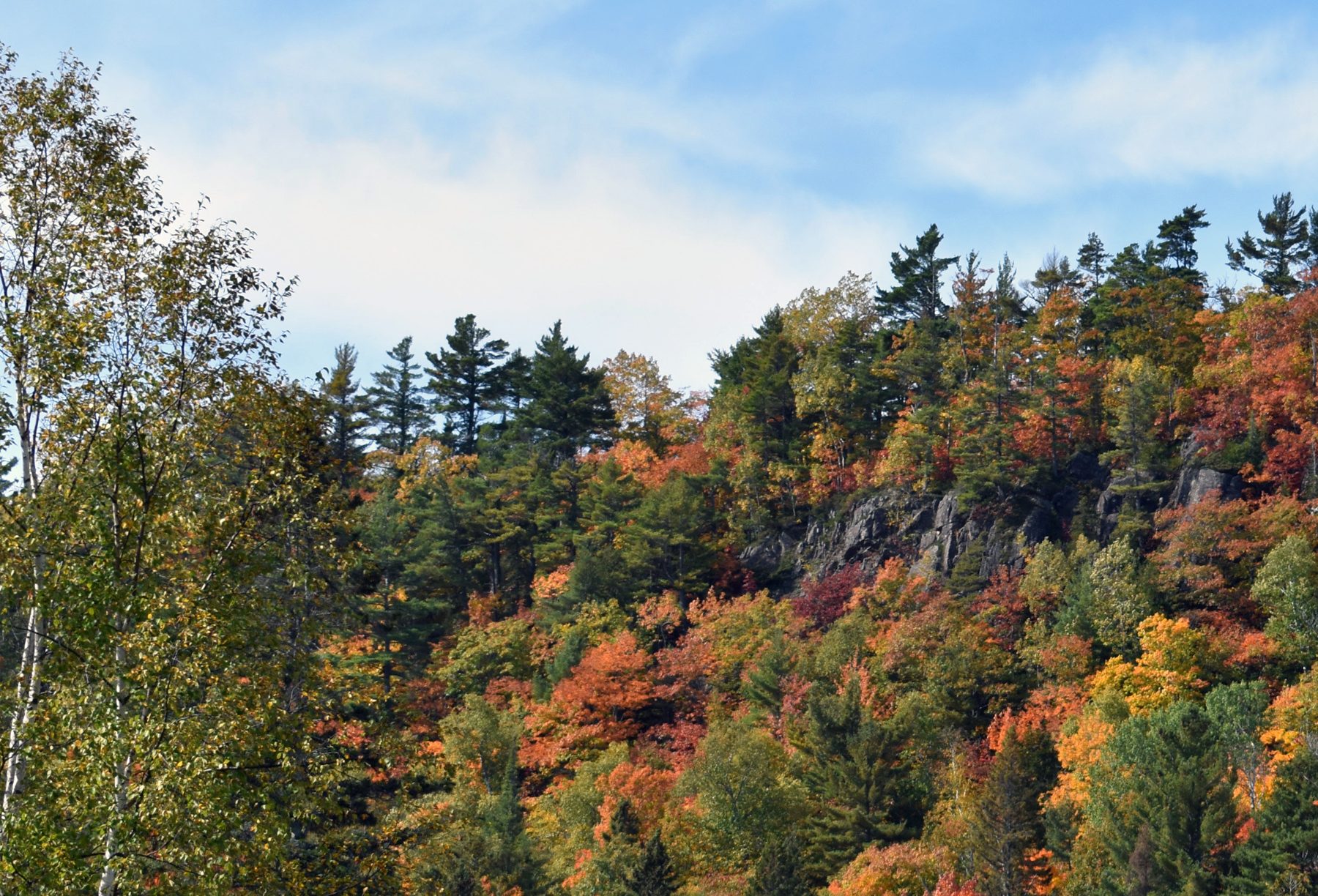
When Do Fall Colors Peak in the Keweenaw?
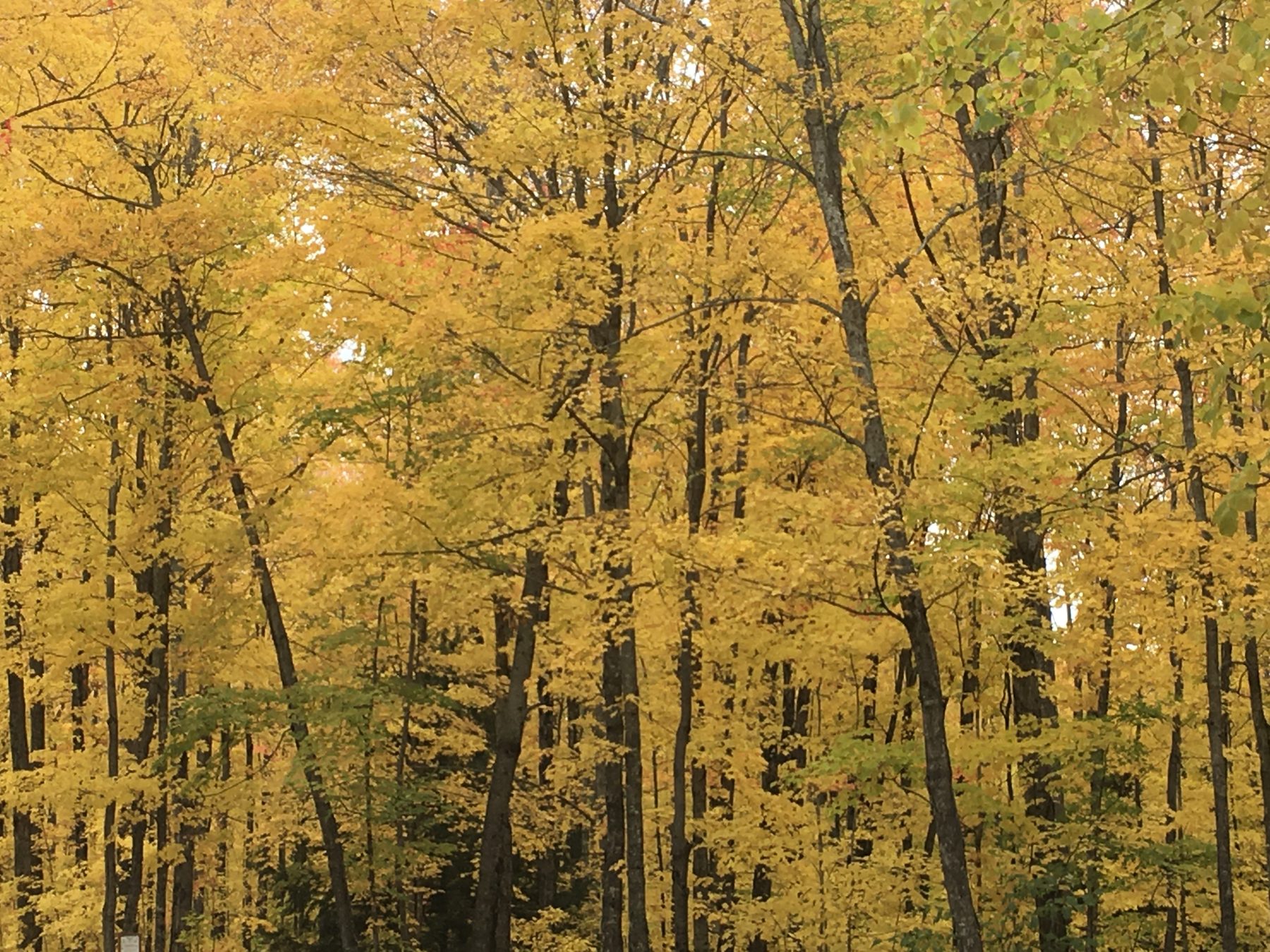
In the Keweenaw, I tell people to plan on the last week of September through the second week of October. Peak timing shifts by up to two weeks from year to year, so treat that as the season, not the date. I’ve seen it swing that far more than once. The ridge and the interior run early in that window, and Copper Harbor and the Lake Superior shoreline run late, which is why one date for the whole peninsula never fits.
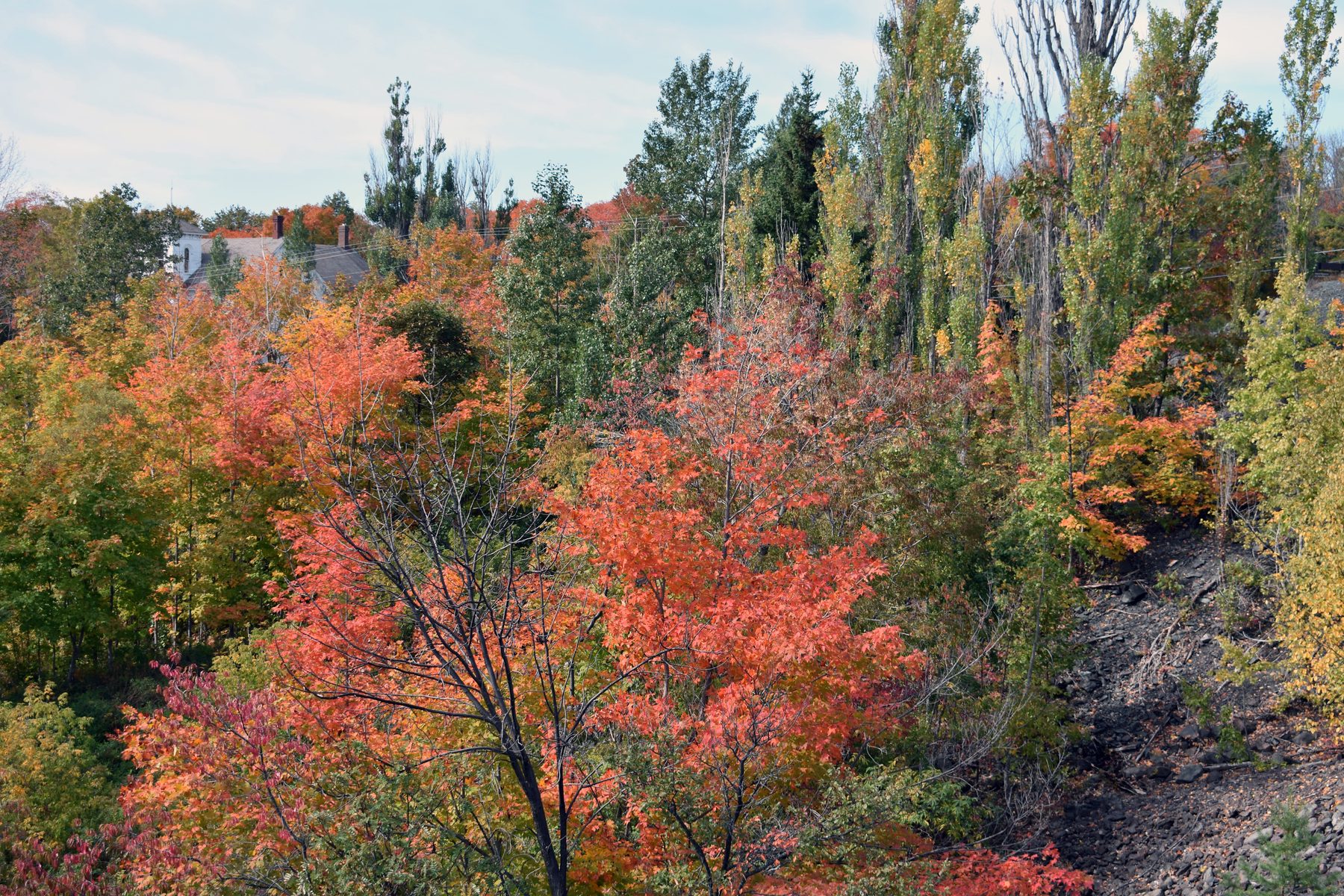
Here’s how the last four seasons ran across the region, according to local fall color reports:
- 2022 peaked roughly October 1 to 4.
- 2023 peaked roughly October 1 to 7, in a warm, dry year with duller color.
- 2024 ran late, roughly October 2 to 10, after a warm September.
- 2025 ran early, roughly September 25 to October 2, after a mid-September cold snap.
Peak itself is short, roughly 4 to 9 days in each of those seasons. Those windows are regional, so they show how much the season moves without pinning the Keweenaw to a date. October 2 is the only date inside all four, which makes the first days of October the safest single target. Aim earlier if you’re headed for the ridge and later if you’re going to Copper Harbor. Ahead of the 2024 season, a National Weather Service meteorologist in Marquette forecast that above-normal temperatures would push the peak later into October, and that’s what happened.
A dry summer moves all of this earlier. Michigan State University Extension ties drought stress to earlier, duller color and earlier leaf drop, so a dry year tends to peak sooner and fade faster. The US Drought Monitor will tell you where the state stands before you plan around it. The three weeks before your trip are what actually decide it, so check Visit Keweenaw’s fall color report before you commit.
Why Doesn’t the Whole Peninsula Turn at Once?
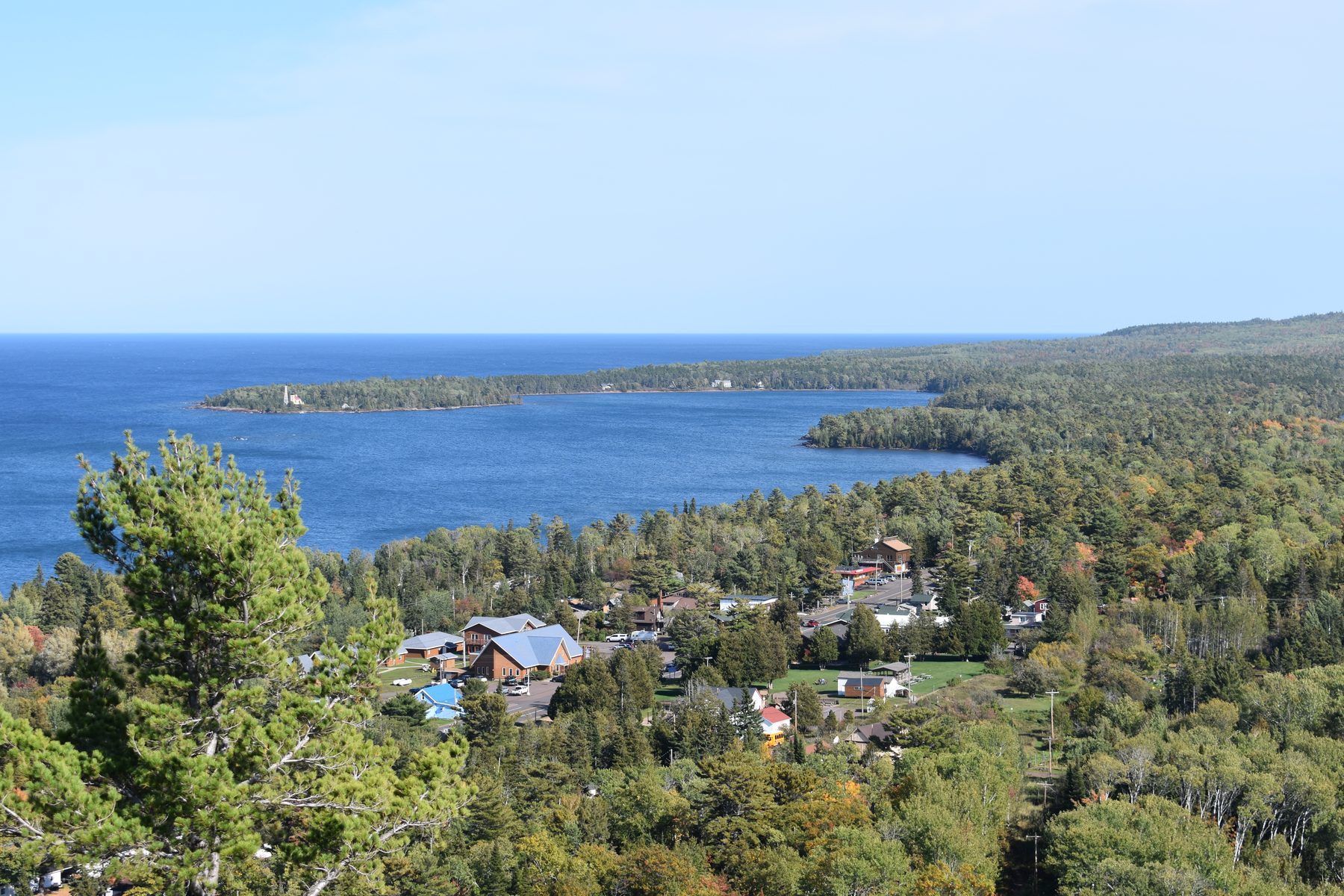
The Keweenaw runs on more than one clock. The ridge and the interior turn first, and the Lake Superior shoreline and Copper Harbor turn last. When I drive north in early October, the high ground is usually well along and the shoreline hasn’t turned yet.
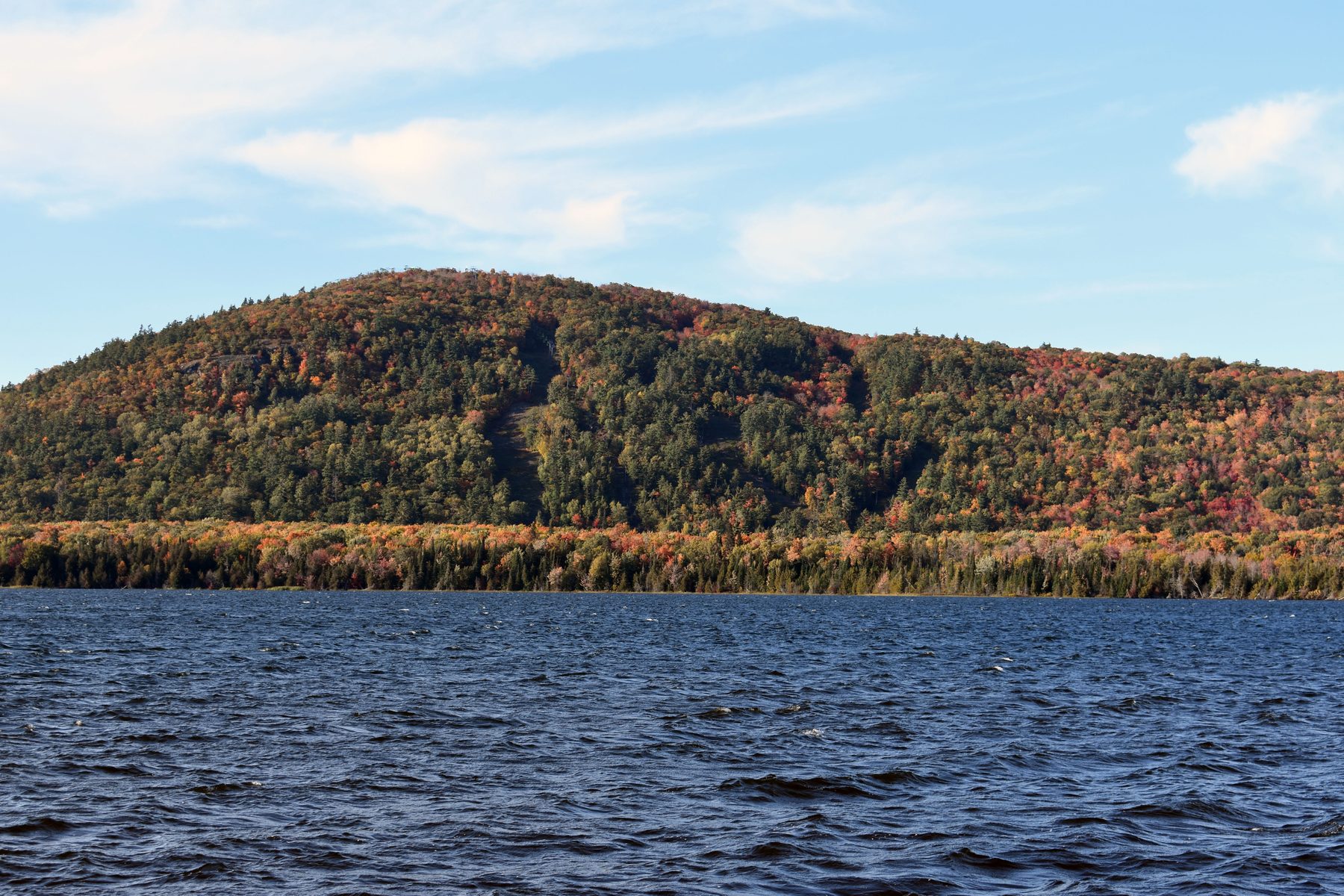
The first reason is the lake. Lake Superior holds summer heat and lets it go slowly, which keeps shoreline air warmer and delays the cold nights that trigger the turn. Its surface runs roughly 58 to 63 degrees in September and stays under about 55 degrees in October. The peninsula is narrow, with Lake Superior on three sides, so that warming reaches in from several directions. Copper Harbor’s own tourism site says the area can peak up to two weeks after Baraga, less than 100 miles south.
The second reason is elevation. Brockway Mountain tops out at 1,320 feet, about 700 feet above Lake Superior. Higher ground turns earlier and fades faster than the shoreline below. Inland forests keep their own schedule. The woods around Ironwood and the Porcupine Mountains commonly turn from late September into the first week of October.
Michigan State University Extension points to shortening daylight as the main trigger, with the brightest color coming from warm sunny days and cool nights near freezing, while drought stress pulls the whole sequence earlier and dulls it.
Where Should You Drive to See It?
Brockway Mountain Drive is the scenic drive I’d build a fall color tour around. It runs about 8.9 miles off M-26 between Eagle Harbor and Copper Harbor, climbs to 1,320 feet, and is the highest paved road between the Rockies and the Alleghenies. The drive opened in 1933. It closes to vehicles in winter, so check that the road is open before a late-season trip. On a clear day, Isle Royale is visible from the top, about 50 miles out.
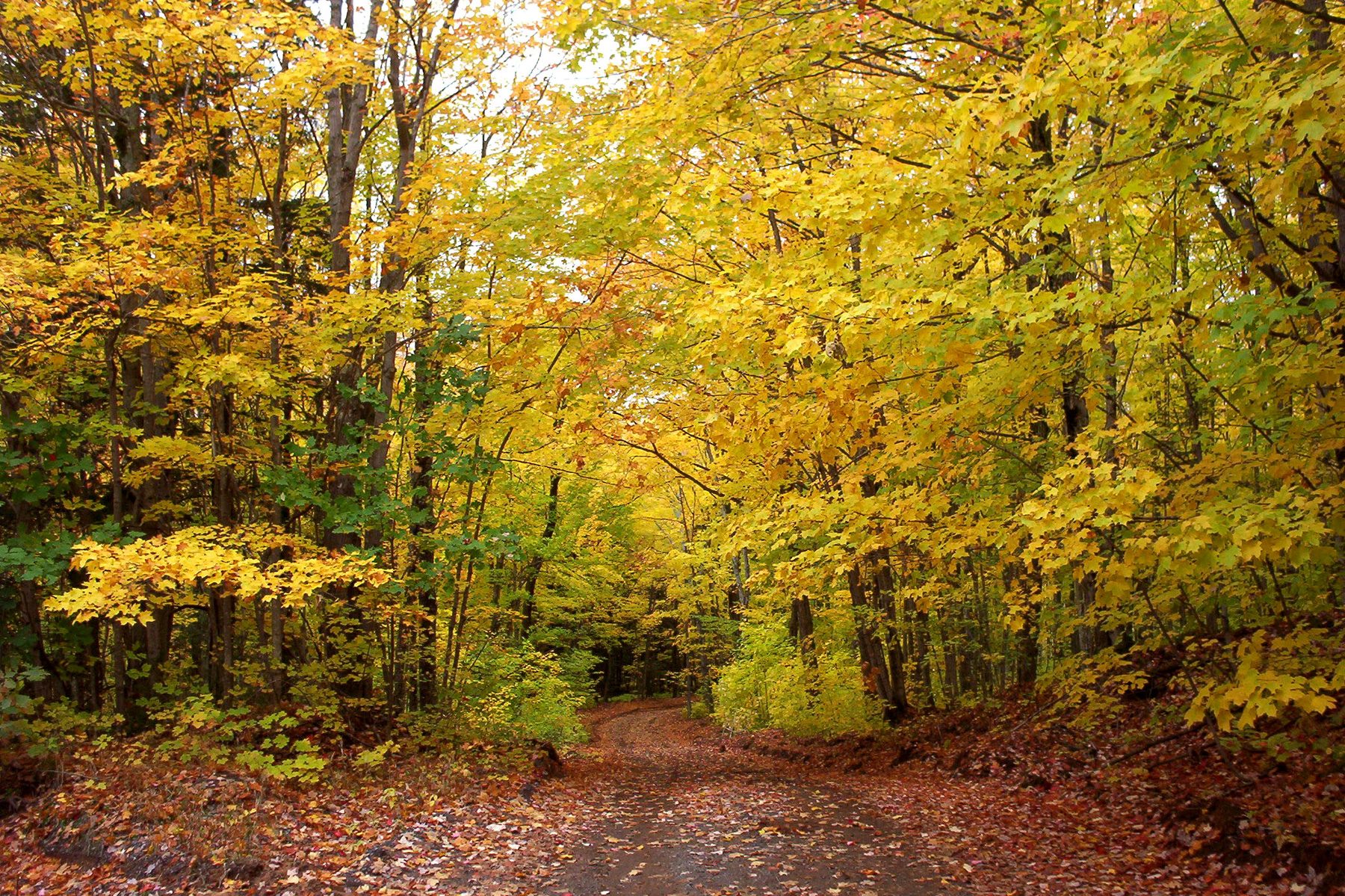
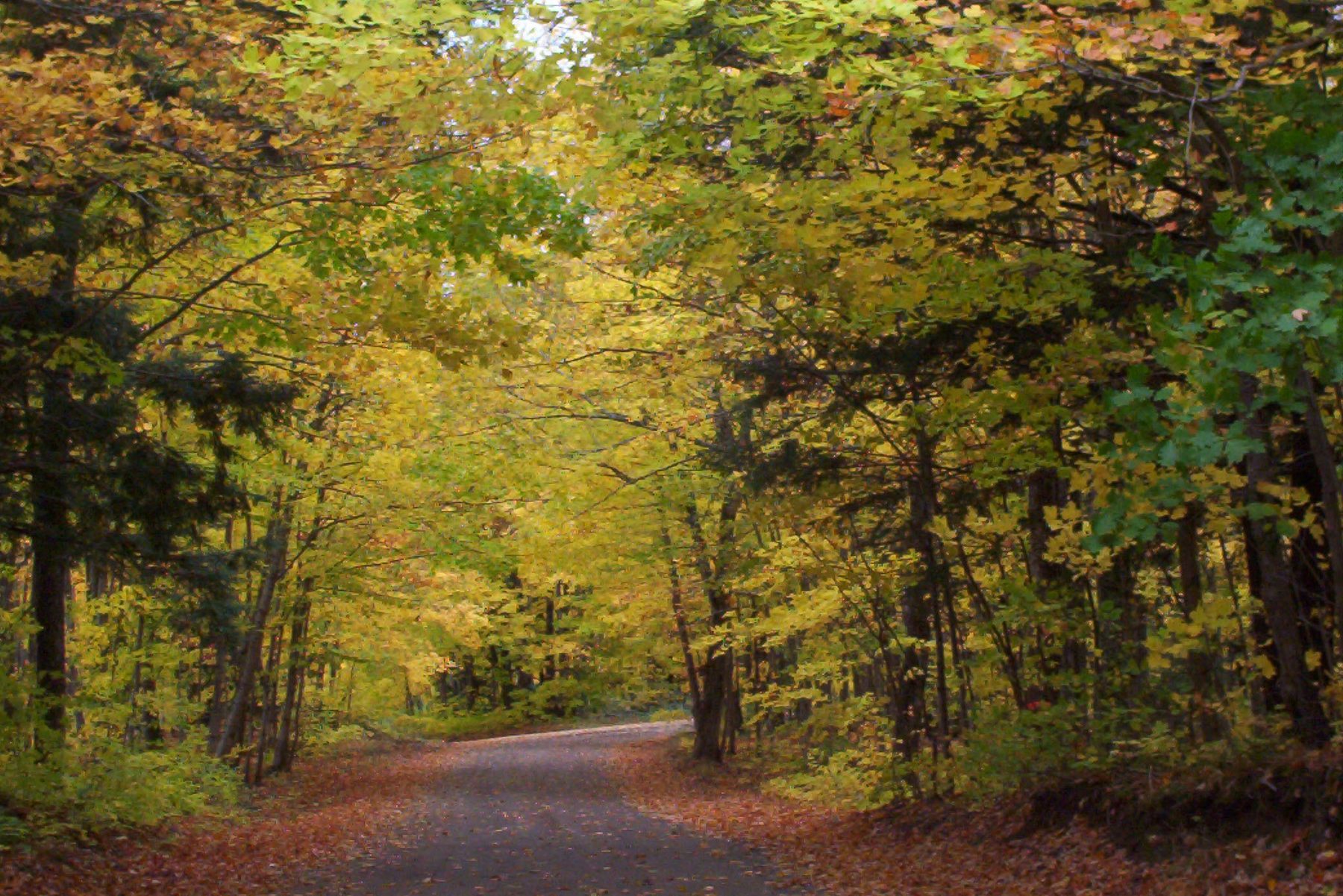
The shoreline roads run later than the ridge, because Lake Superior’s stored heat delays the cold nights that turn the leaves. US-41 runs under roughly 11 miles of overhanging canopy on its northernmost stretch into Copper Harbor. The County Road Association of Michigan lists seven more Copper Country roads for fall color: Cliff Drive, Eagle Harbor Road, Lac La Belle Road, Gratiot Lake Road, Mohawk-Gay Road, Five Mile Point Road, and Calumet Waterworks Road. If you’re coming early, I’d send you up the ridge, and if you’re coming late, I’d point you along the shoreline.
Estivant Pines Nature Sanctuary, about 570 acres south of Copper Harbor, is a different kind of stop. Its old-growth white pines are three to five centuries old, and some stand over 125 feet tall, dark green against the hardwood color.
Which Waterfalls Are Worth a Stop in Fall?
Six of the Keweenaw’s waterfalls fold into a color drive without much detour, running roughly south to north up the peninsula. Hungarian Falls near Hubbell drops about 90 feet across three tiers. The trail between the tiers is steep and unmaintained.
Houghton-Douglass Falls, about a mile and a half north of Lake Linden, is Michigan’s tallest at 110 feet. It reopened in 2026, with a DNR-built half-mile gravel trail from a parking area off M-26.
Farther north, Eagle River Falls sits at Eagle River, and Jacob’s Falls runs right beside M-26 at the Jampot bakery. Manganese Falls near Copper Harbor takes a short walk to the overlook, and Haven Falls is the eastern one, roadside at Lac La Belle. Jacob’s and Haven are the two you can see from the car.
What Turns, and in What Order?
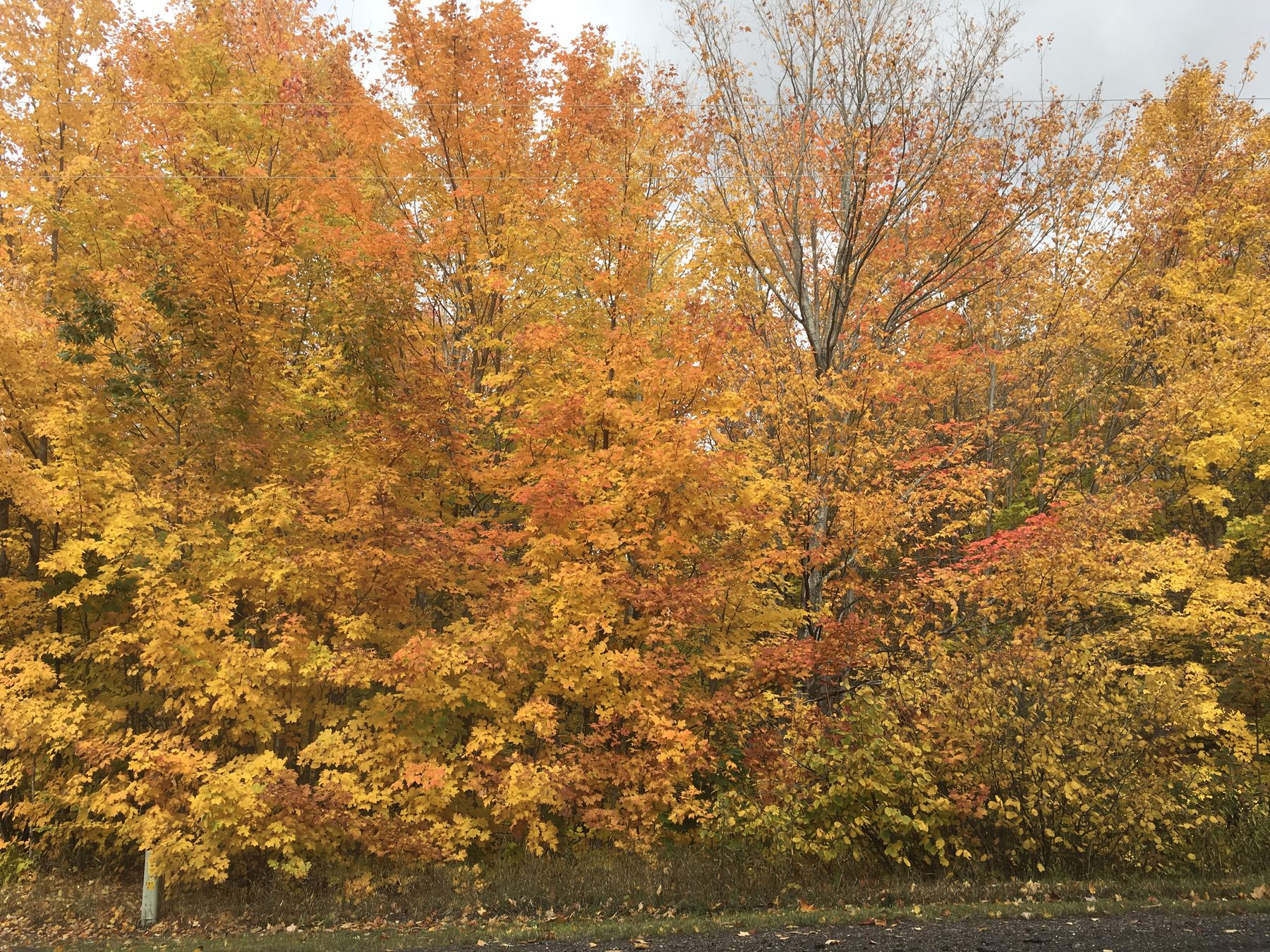
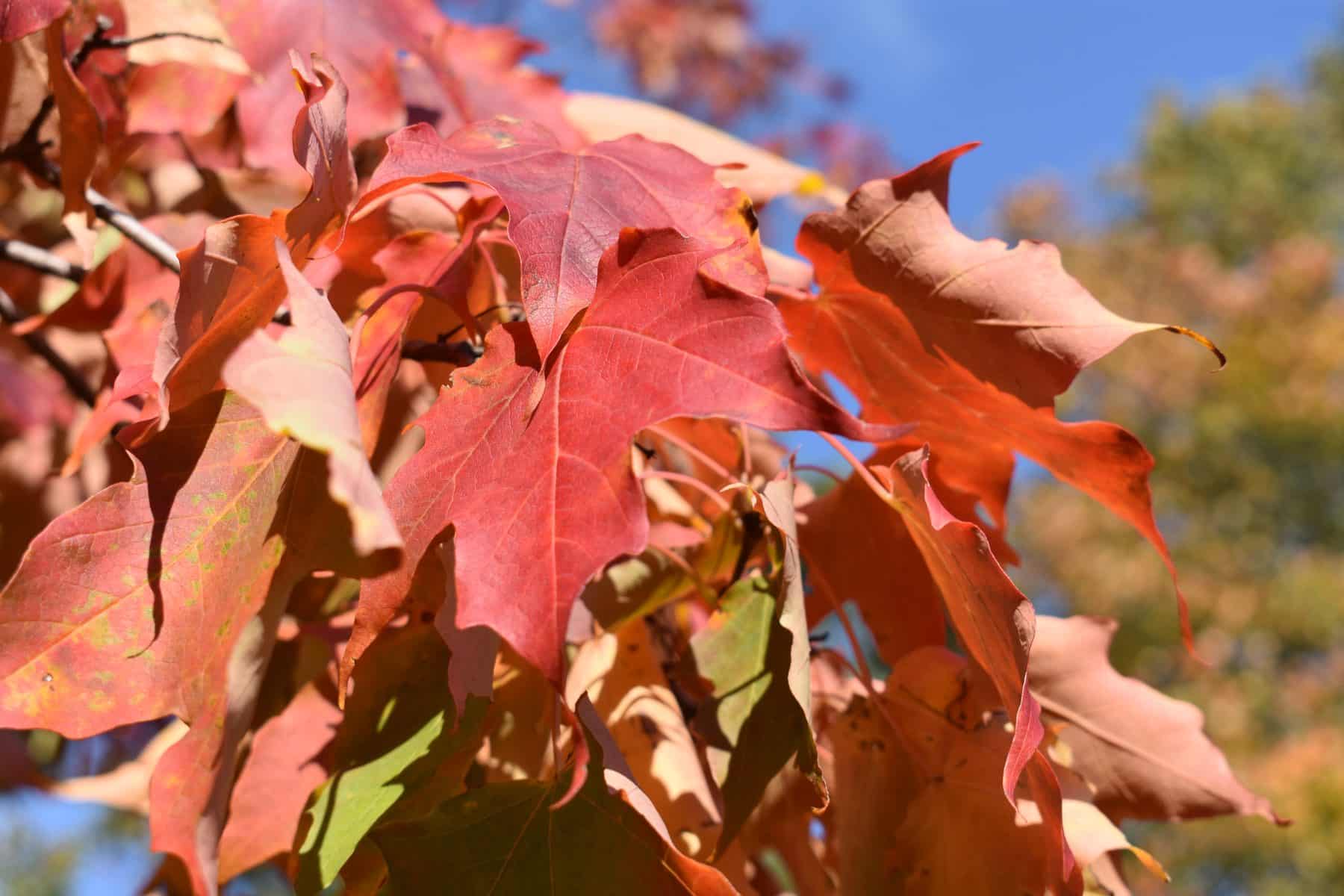
Color moves through the Copper Country in a set order, starting in late September, so you can read the woods instead of the calendar. Red maple in wet ground usually goes first, turning early scarlet. Sugar maple follows in bright orange to red, alongside aspen and paper birch in clear gold. Northern red oak comes late, russet and bronze, and holds its leaves into November.
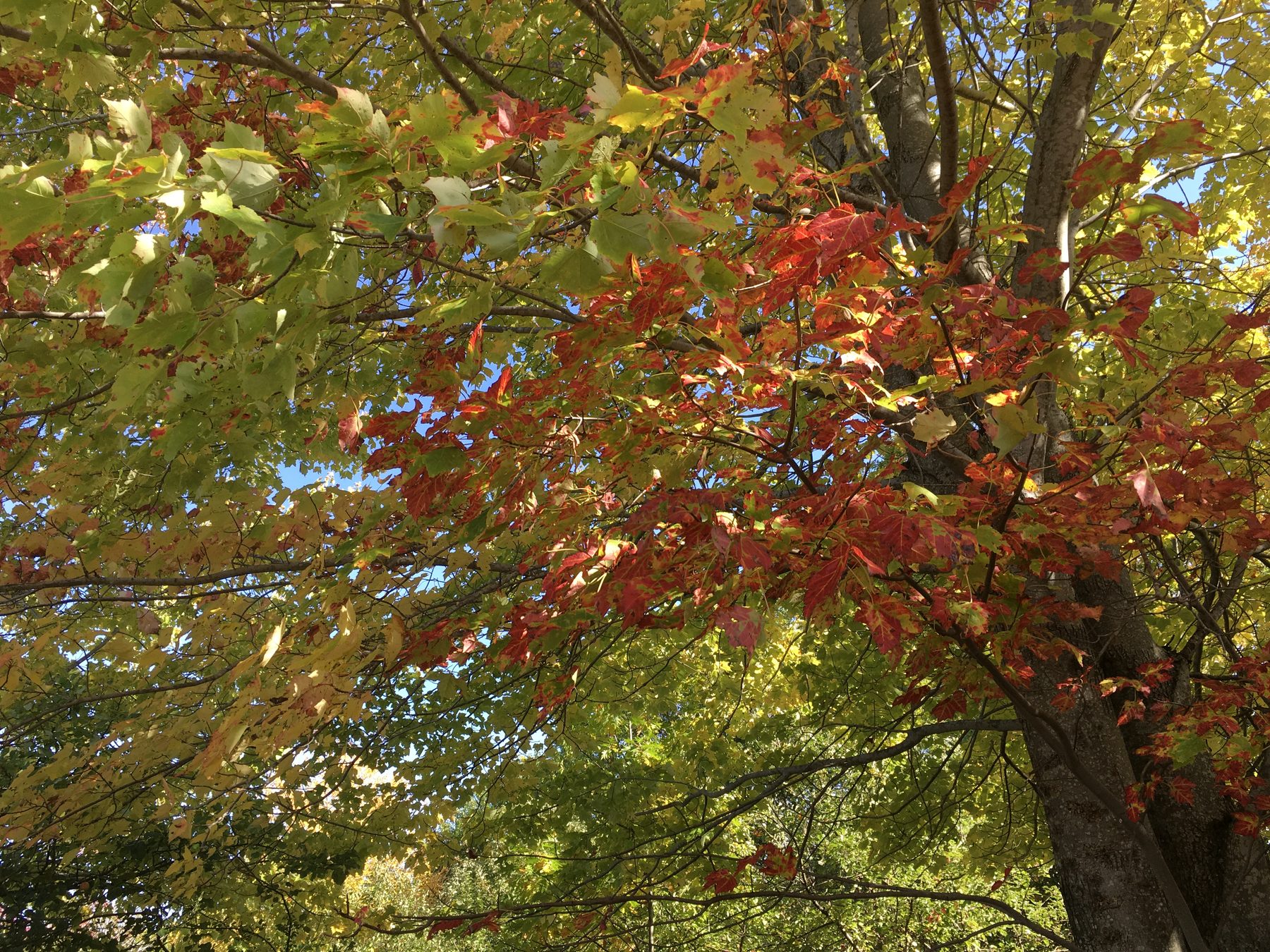
Michigan State University Extension explains that aspen and birch carry their yellow and orange all summer, hidden under the leaf’s chlorophyll, and the color shows once that chlorophyll breaks down. Red is made fresh, from sugars trapped in the leaf after warm sunny days and cool nights. That’s why the maples are strongest in that weather.
Tamarack goes last, and it’s the reason a late trip can still pay off. This conifer turns smoky gold in late October into November, after the hardwoods are bare, and then drops its needles.
American beech turns up all through guides written about downstate Michigan, but it’s largely absent from the western Upper Peninsula, because the winters are too cold for it.
How Do You Check Color Before You Drive Up?
Local sources beat national ones for the Keweenaw. National fall foliage maps treat Michigan’s Upper Peninsula as a single dot, and the ridge and the shoreline here don’t turn in the same week. Check these four before you commit a weekend:
- Visit Keweenaw runs a Keweenaw-specific fall color report on a five-level scale, updated from staff, locals, and visitors.
- The Upper Peninsula Travel and Recreation Association posts county-by-county reports, updated about weekly.
- Michigan DNR and Pure Michigan run the statewide Michigan fall color map.
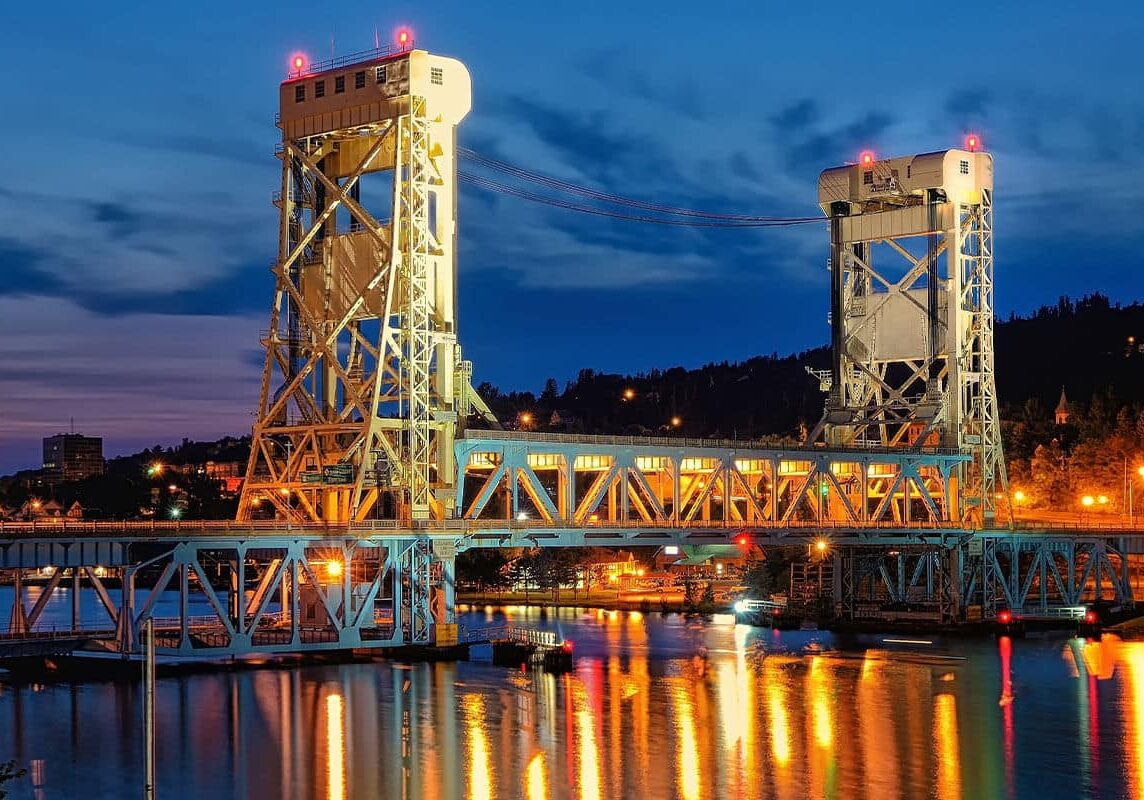
- Michigan Tech’s webcams show the Portage Lake Lift Bridge from Houghton and Hancock, a free live look at the canopy around town.
What Is Peak Week Actually Like Up Here?
Peak color weekends fill up well in advance, and I wouldn’t drive up on one without a room already booked. Copper Harbor is the northernmost town in Michigan, with 136 residents at the 2020 census and roughly eight lodging properties plus cabins and a campground. Campsite reservations at Fort Wilkins State Park open six months out, and fall weekends go quickly.
Cell service is thin to nonexistent from Copper Harbor north and up on Brockway Mountain, so download your maps before you leave town. Houghton, Hancock, and Calumet are the practical places to base out of, with services year-round.
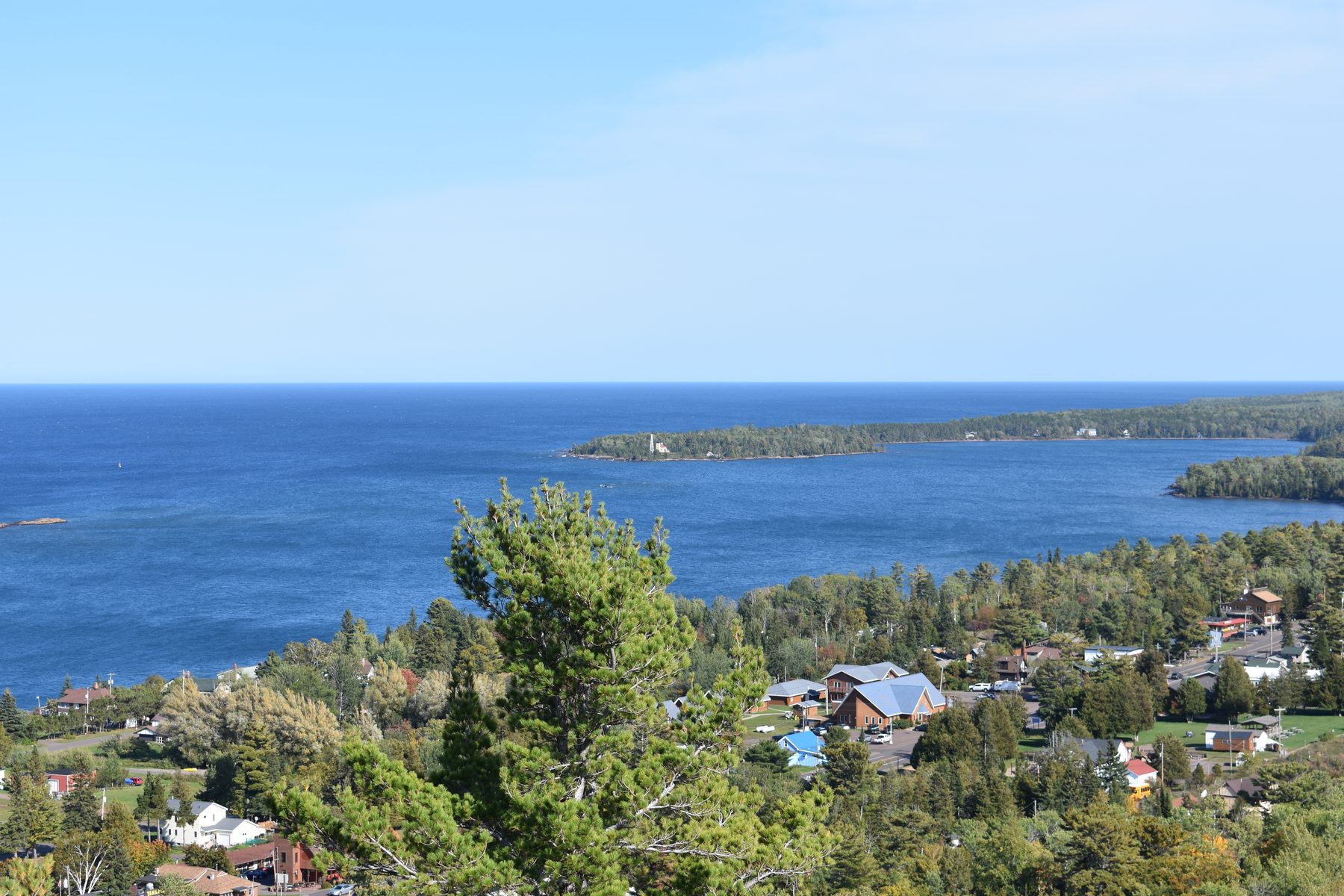
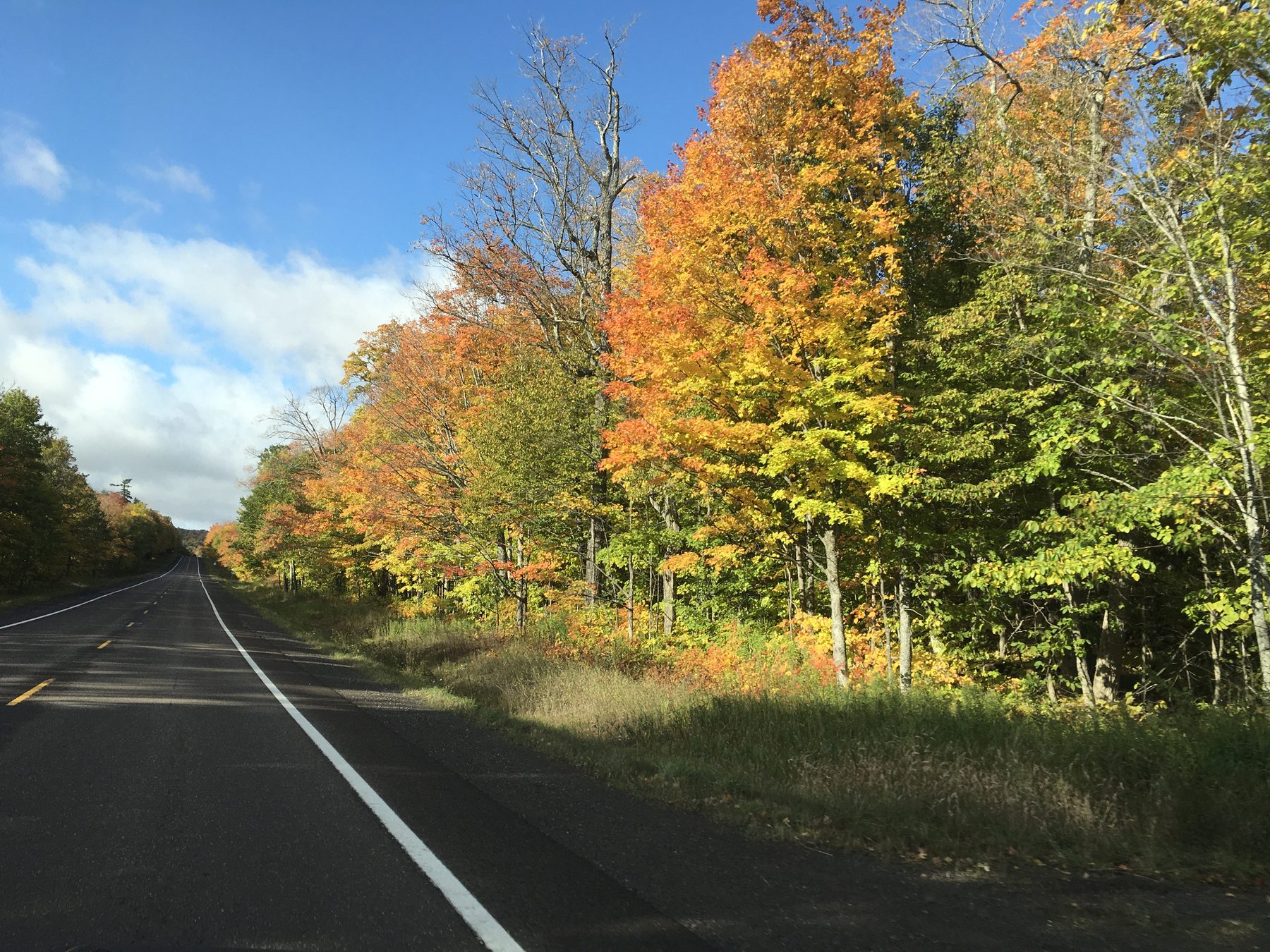
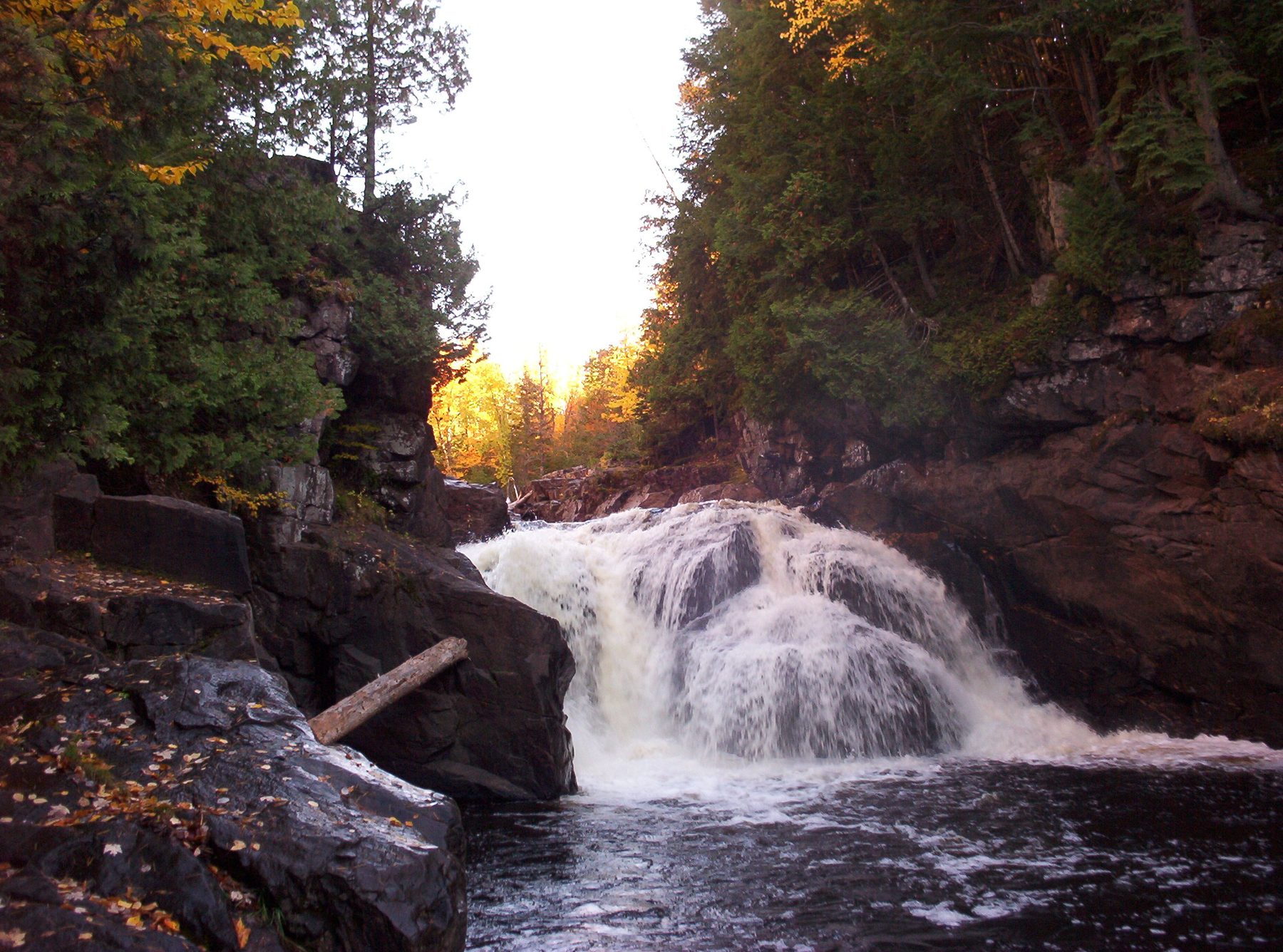
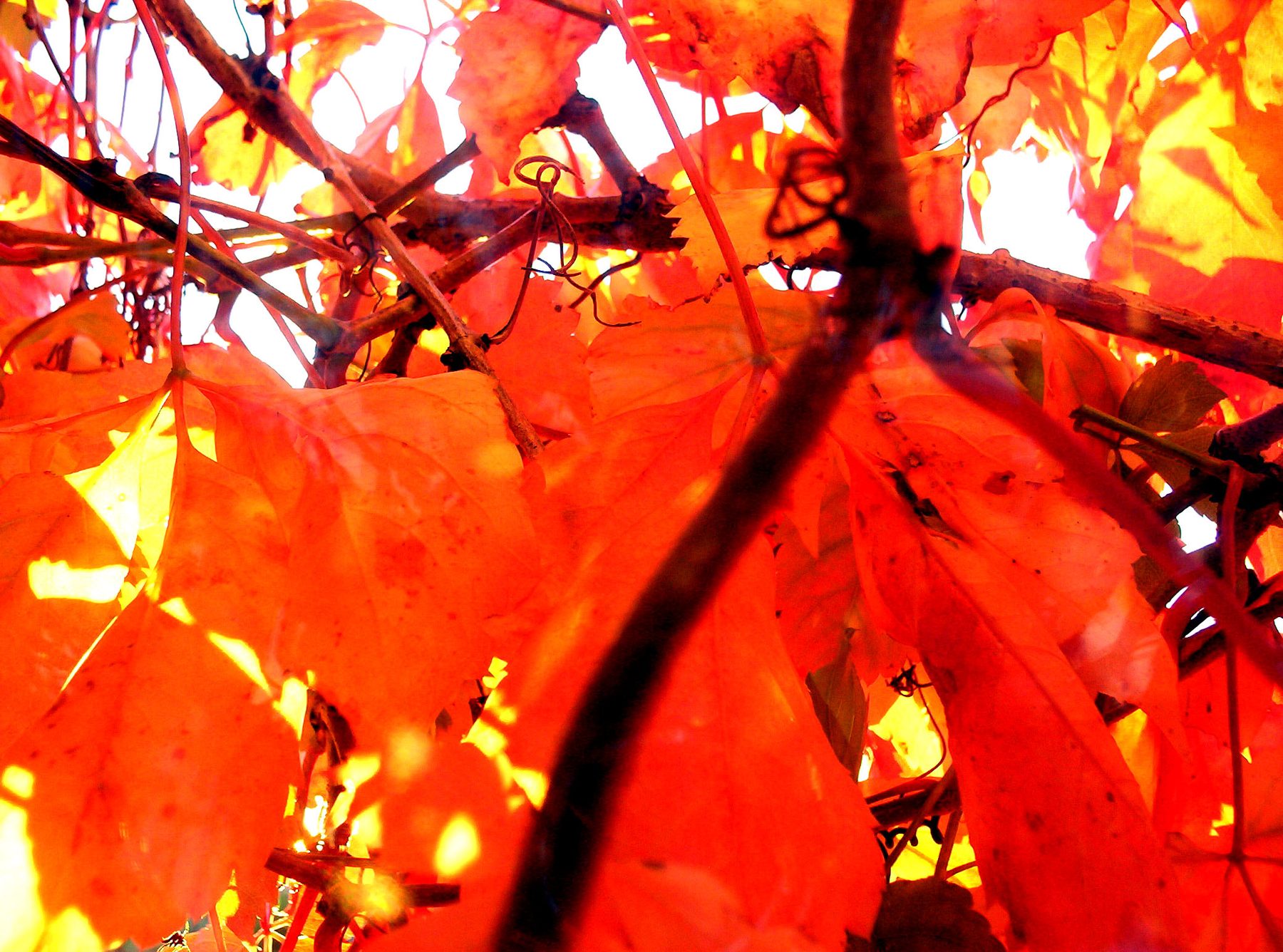
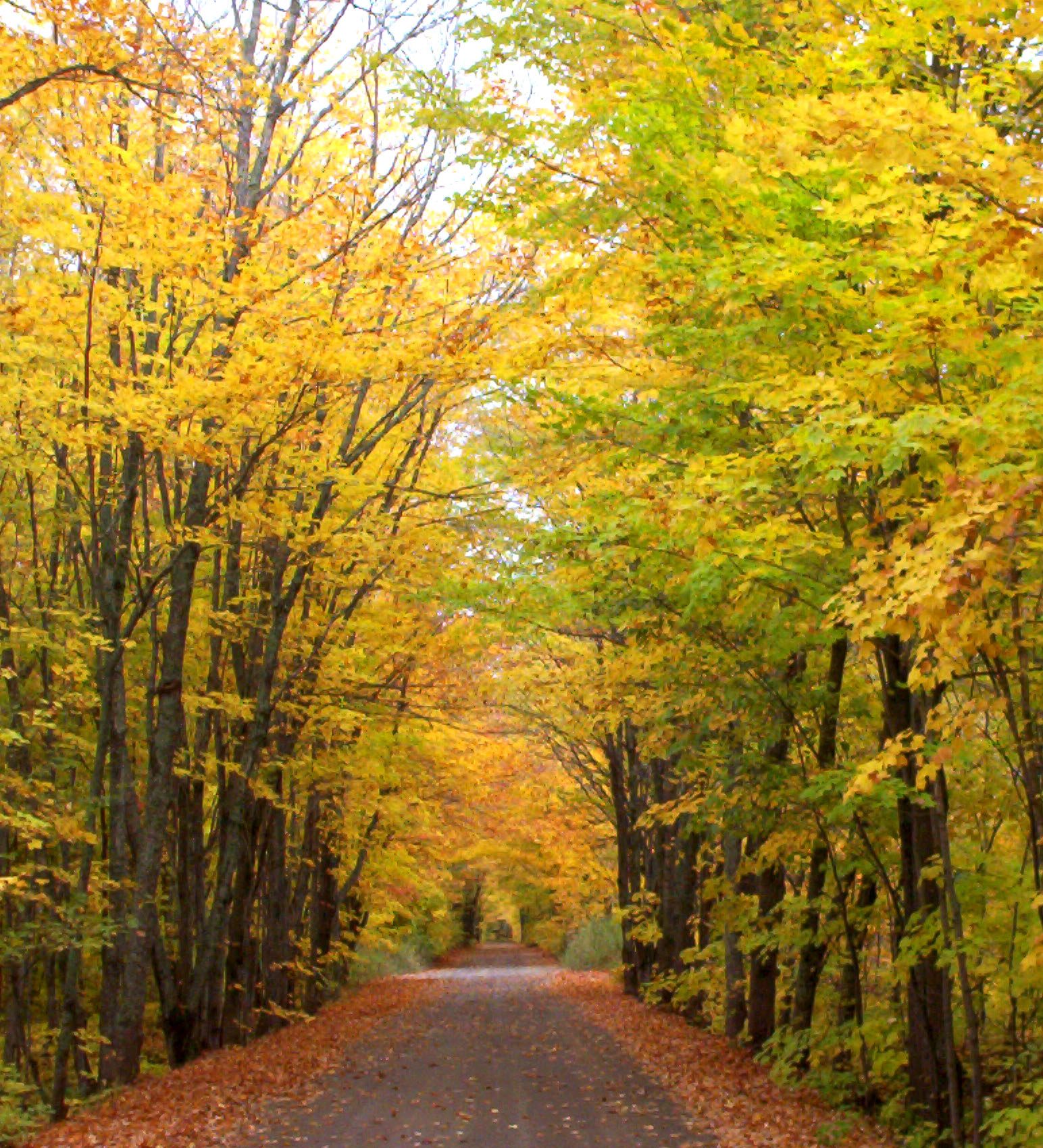
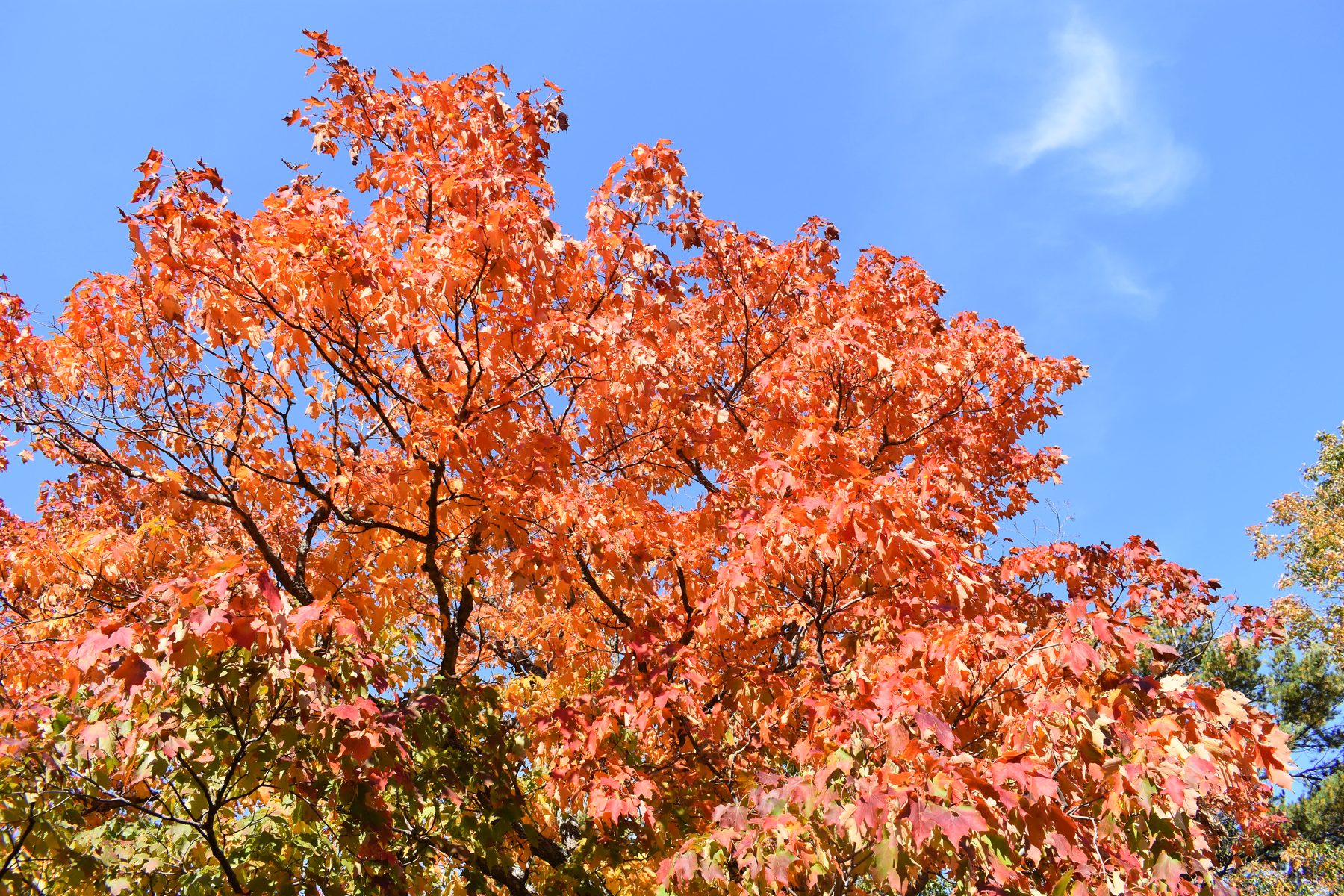
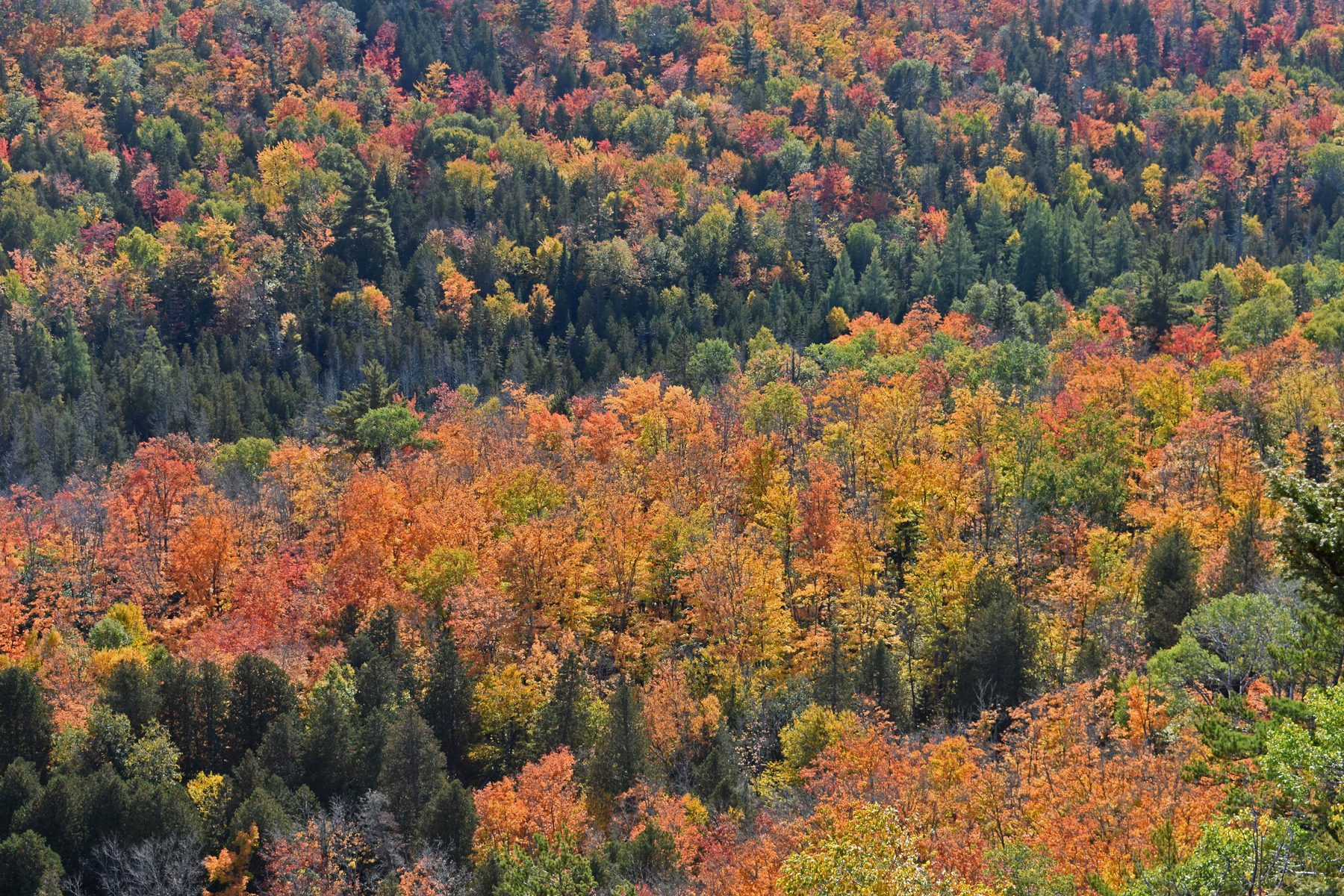
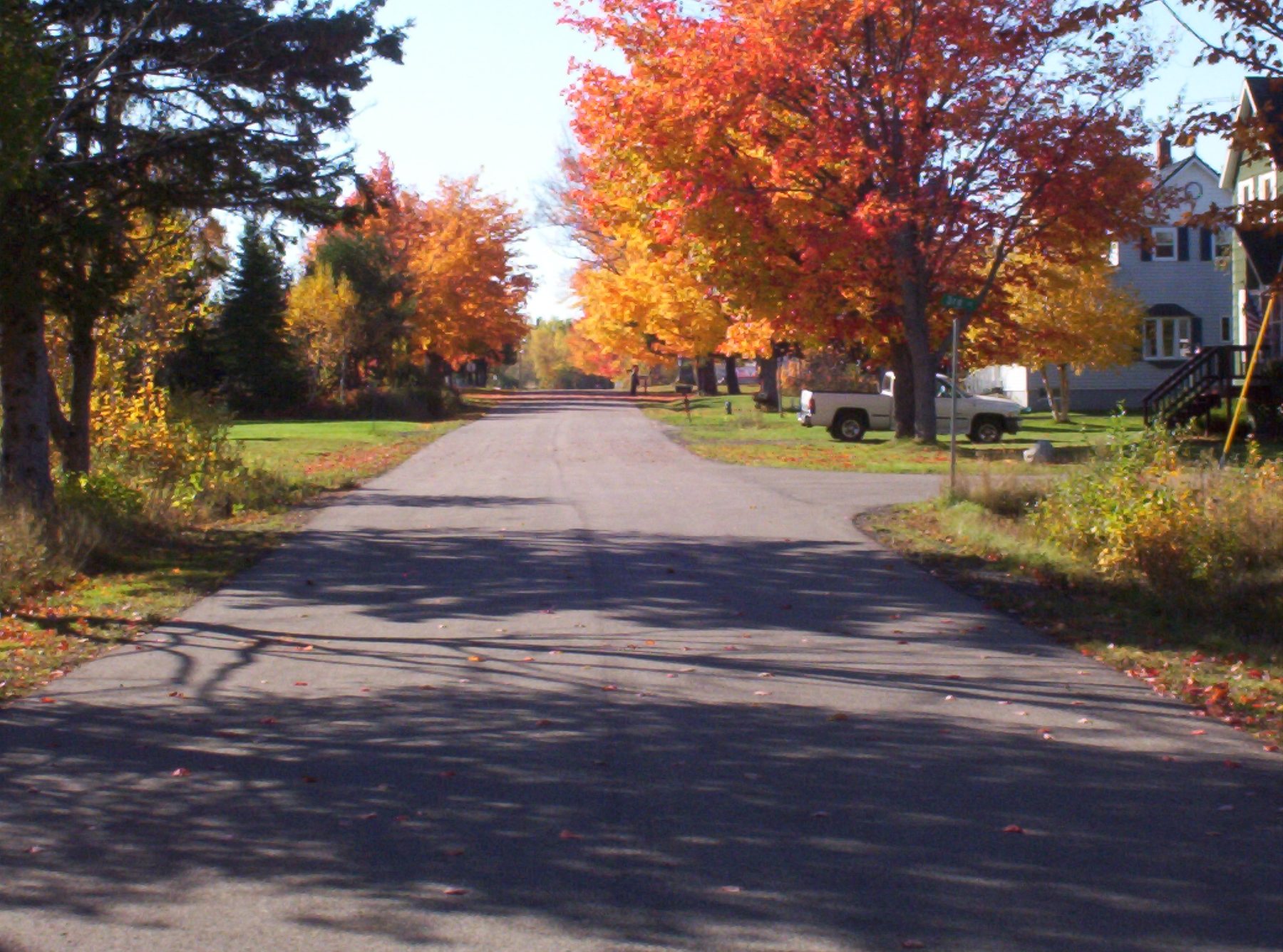
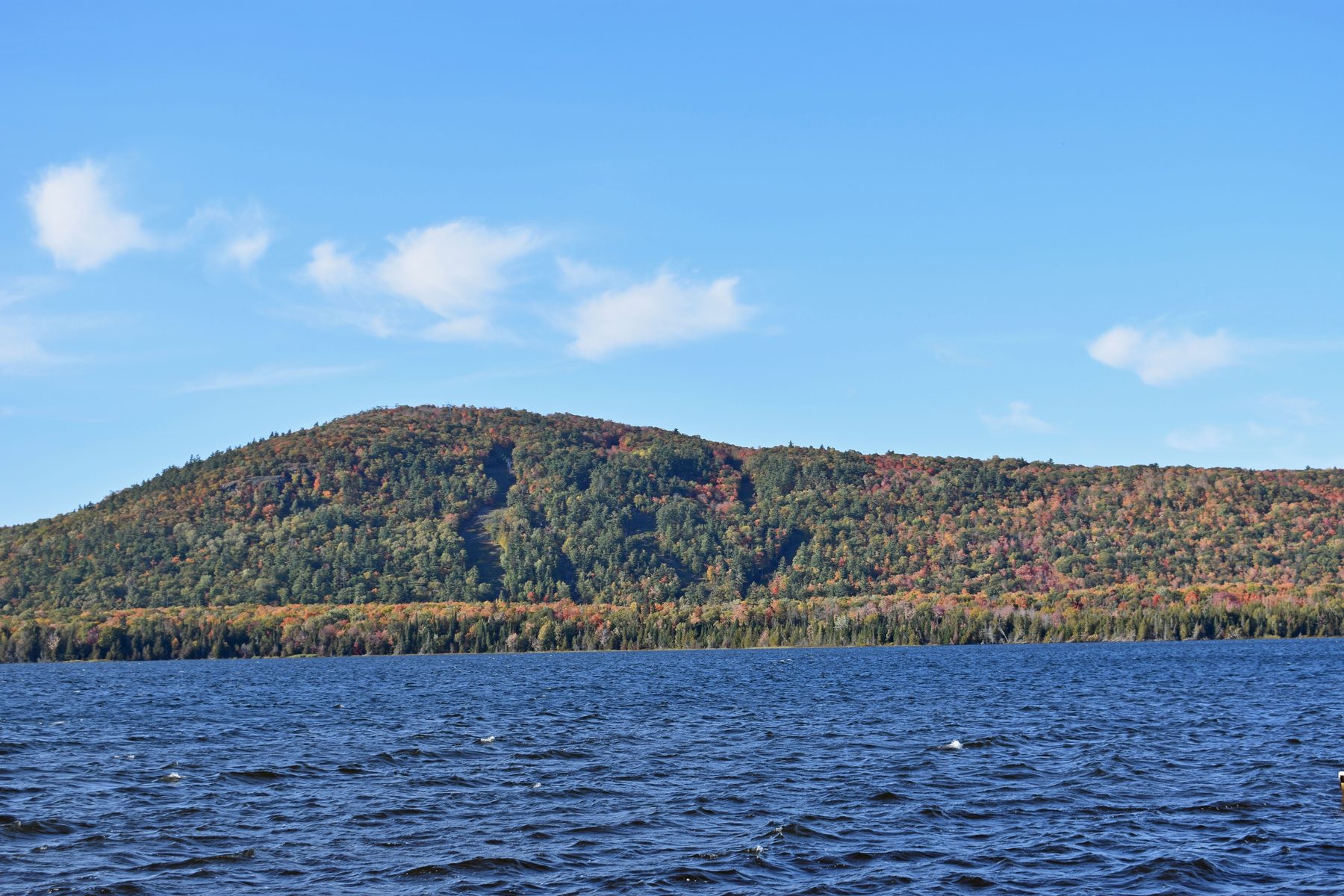
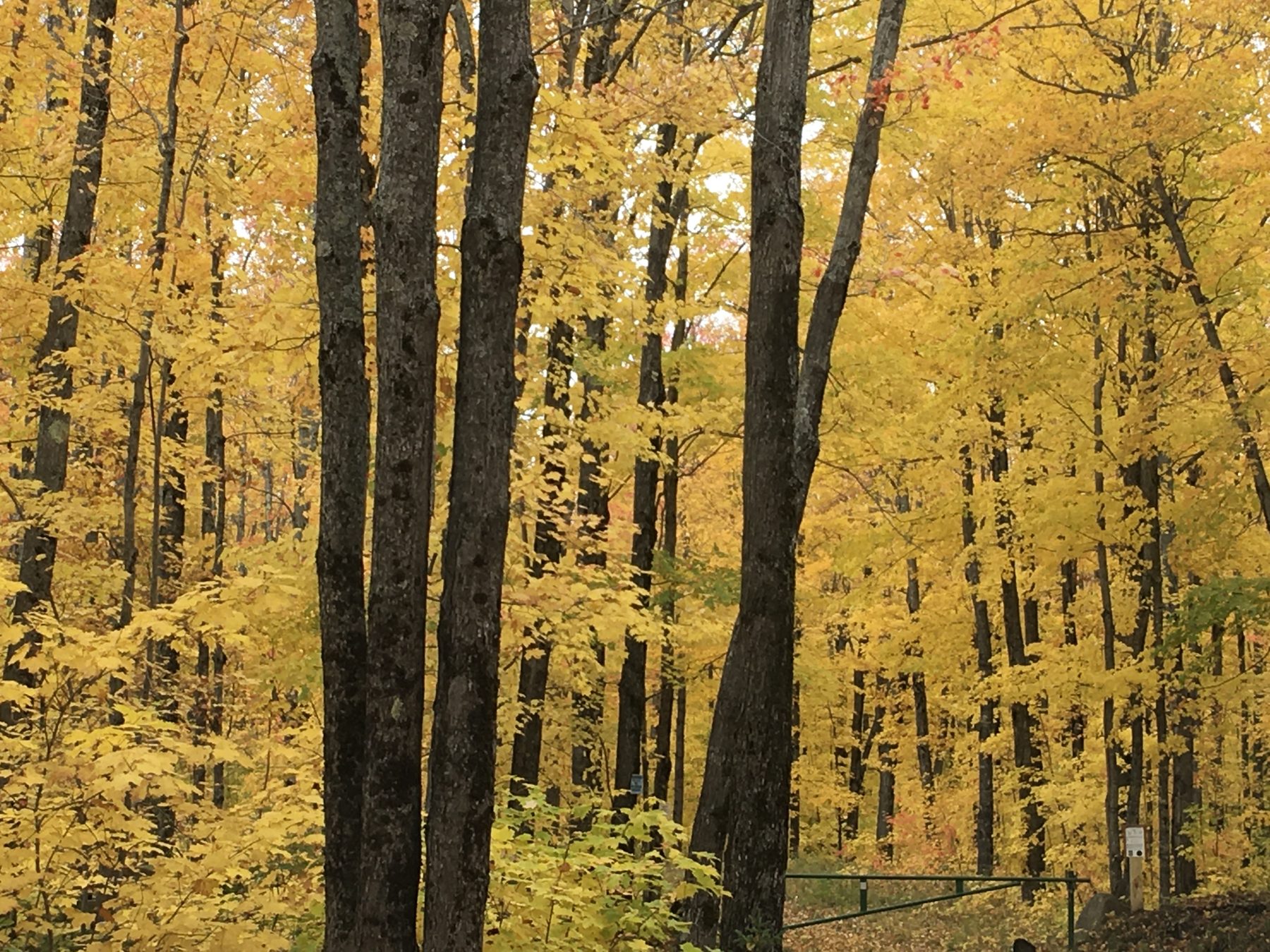
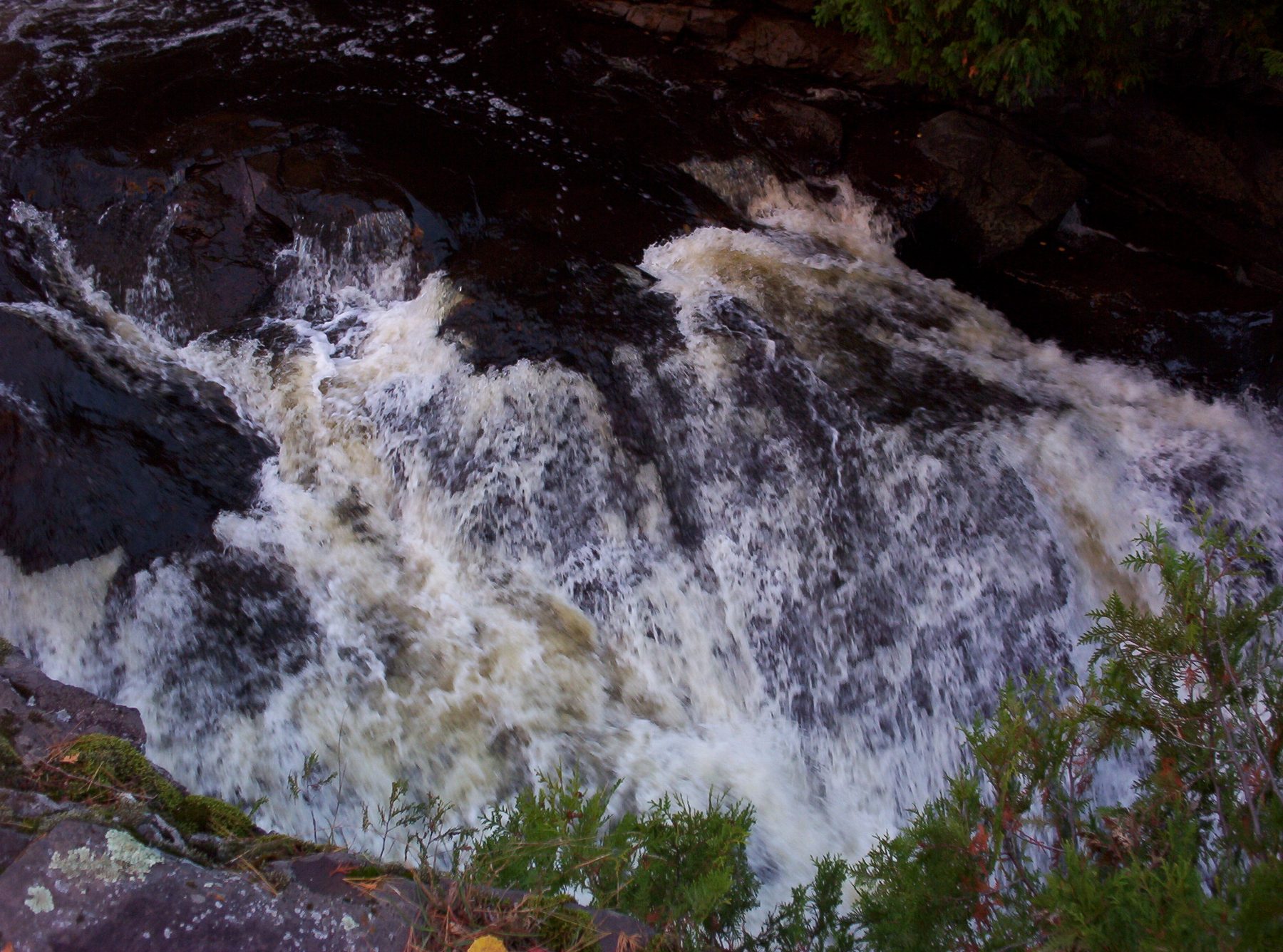
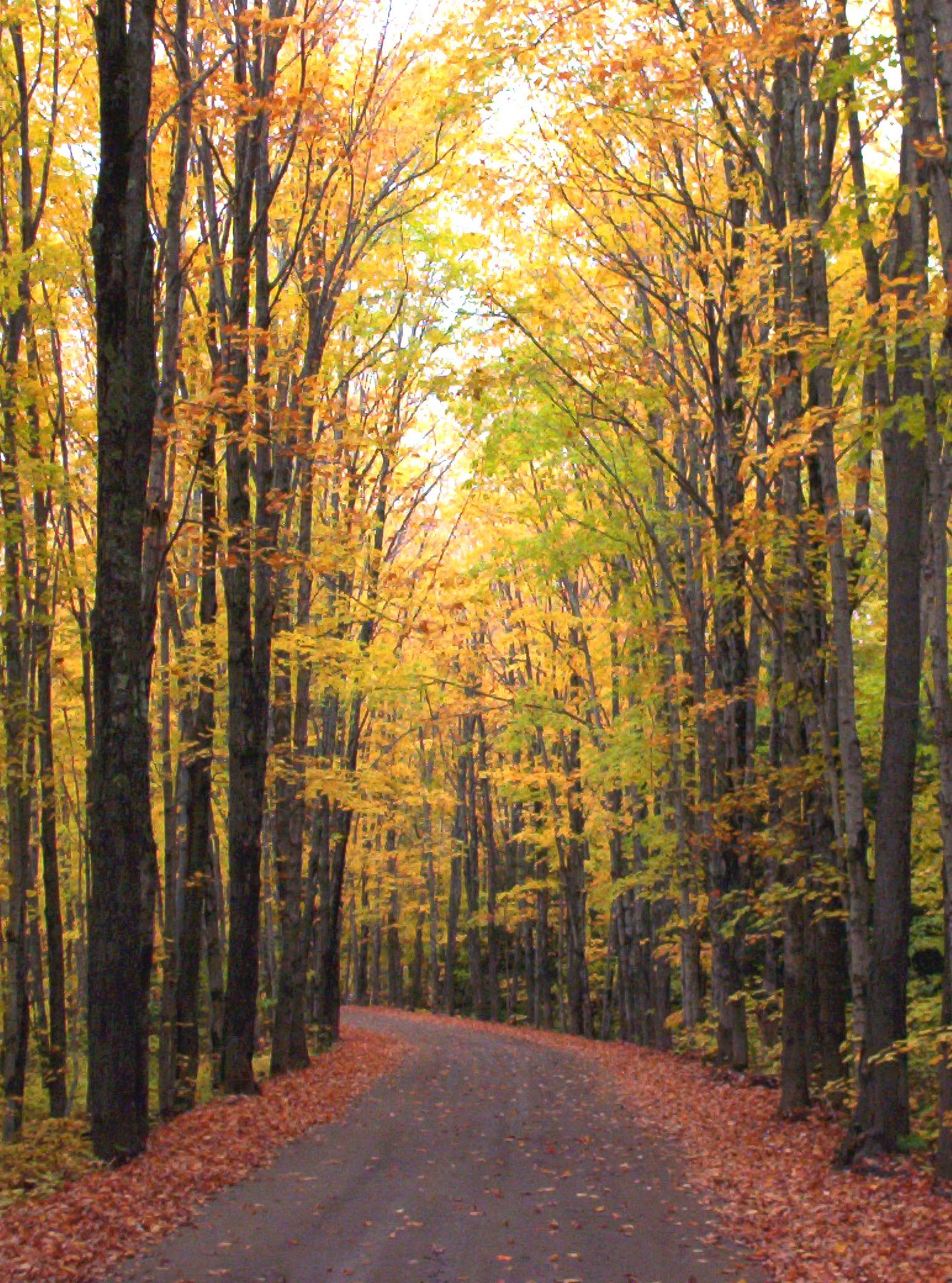
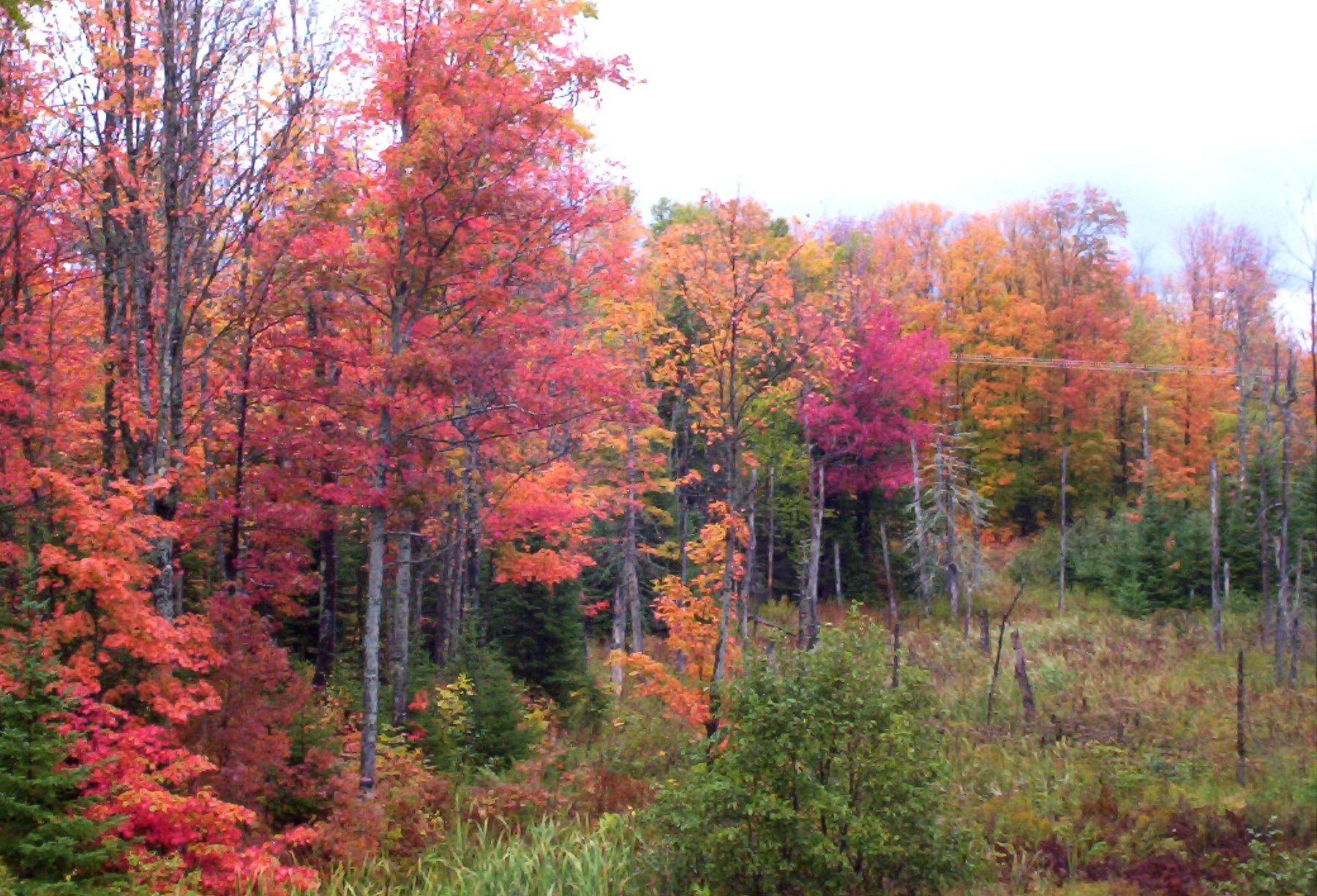
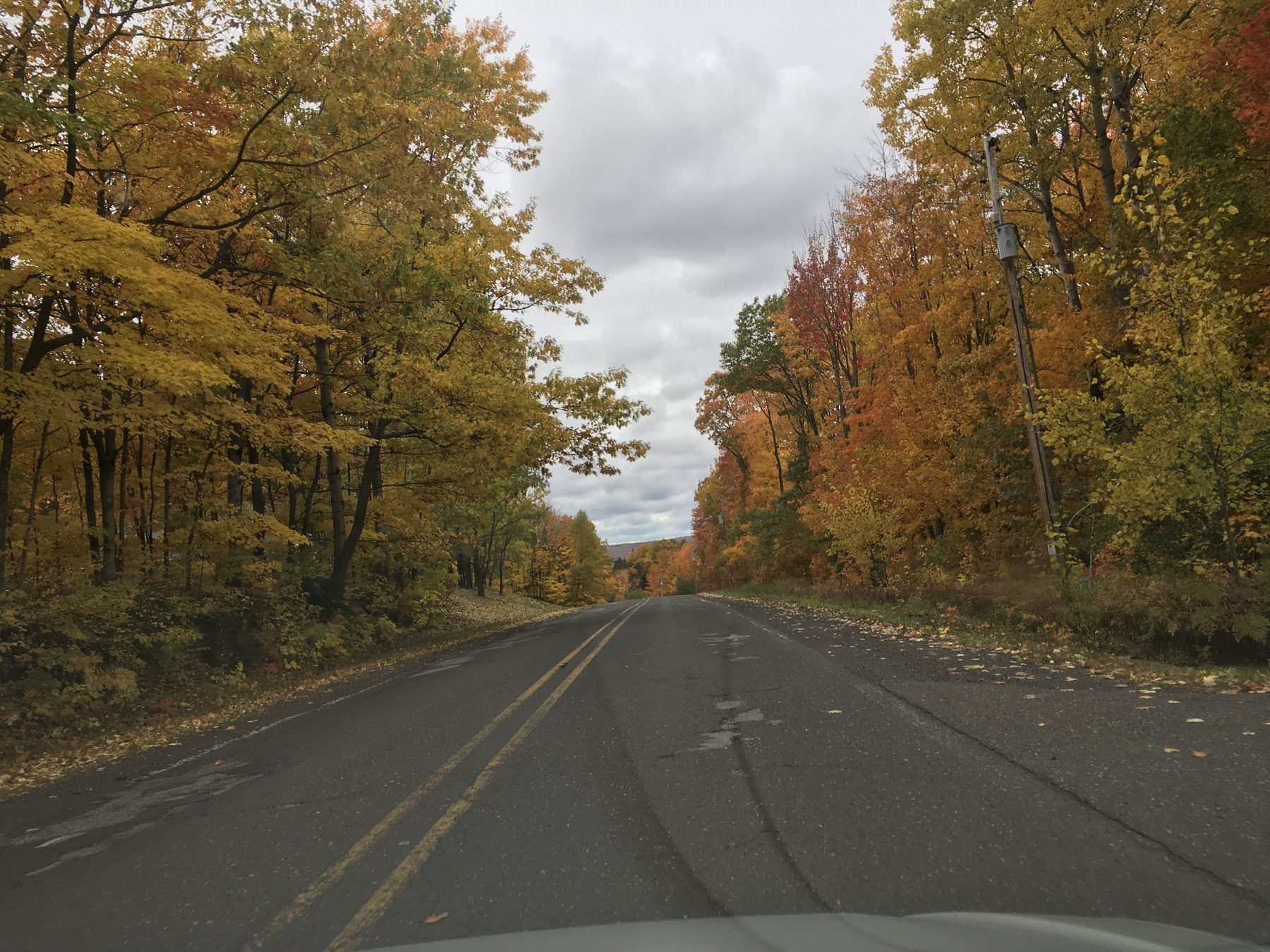
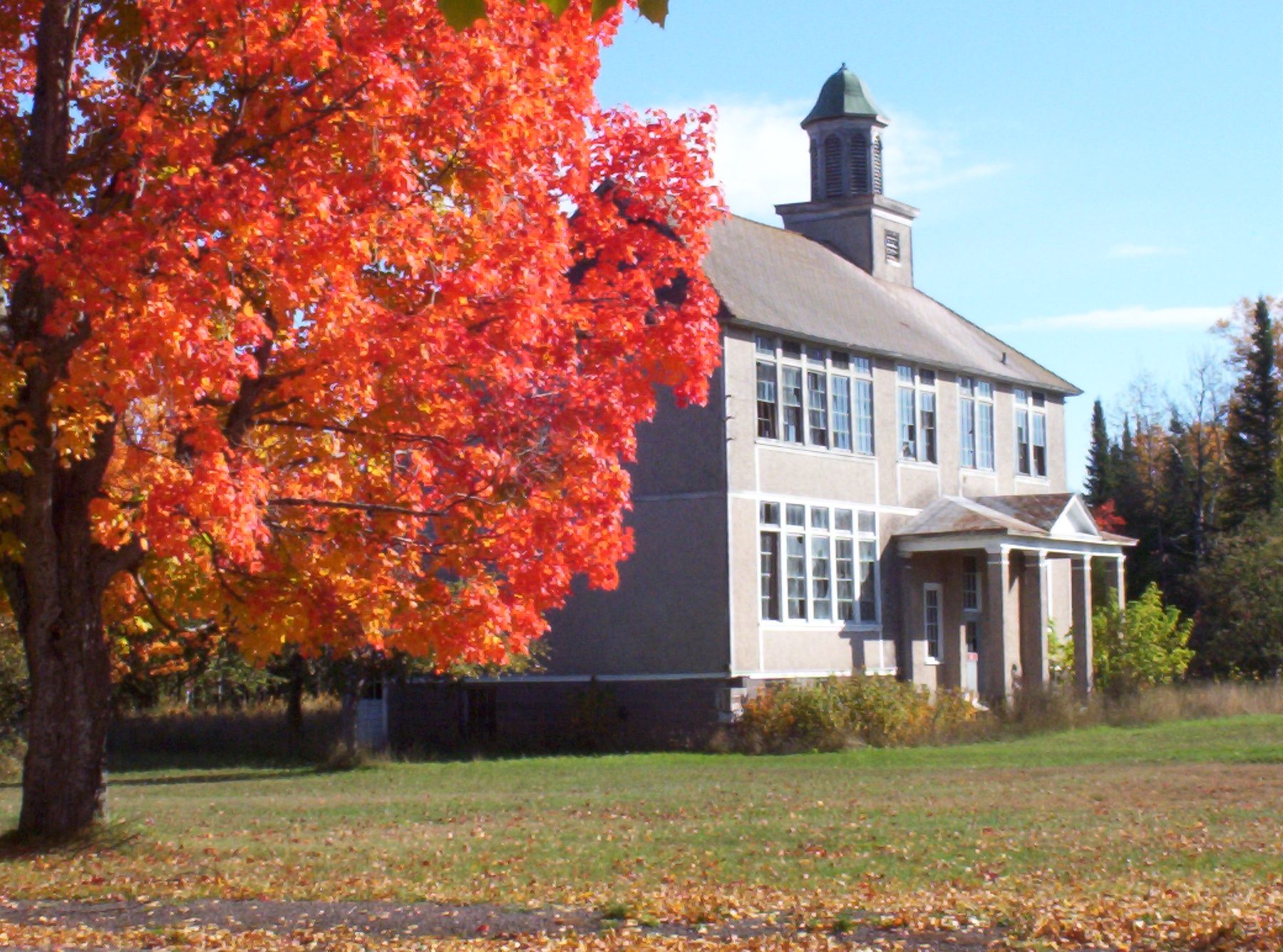
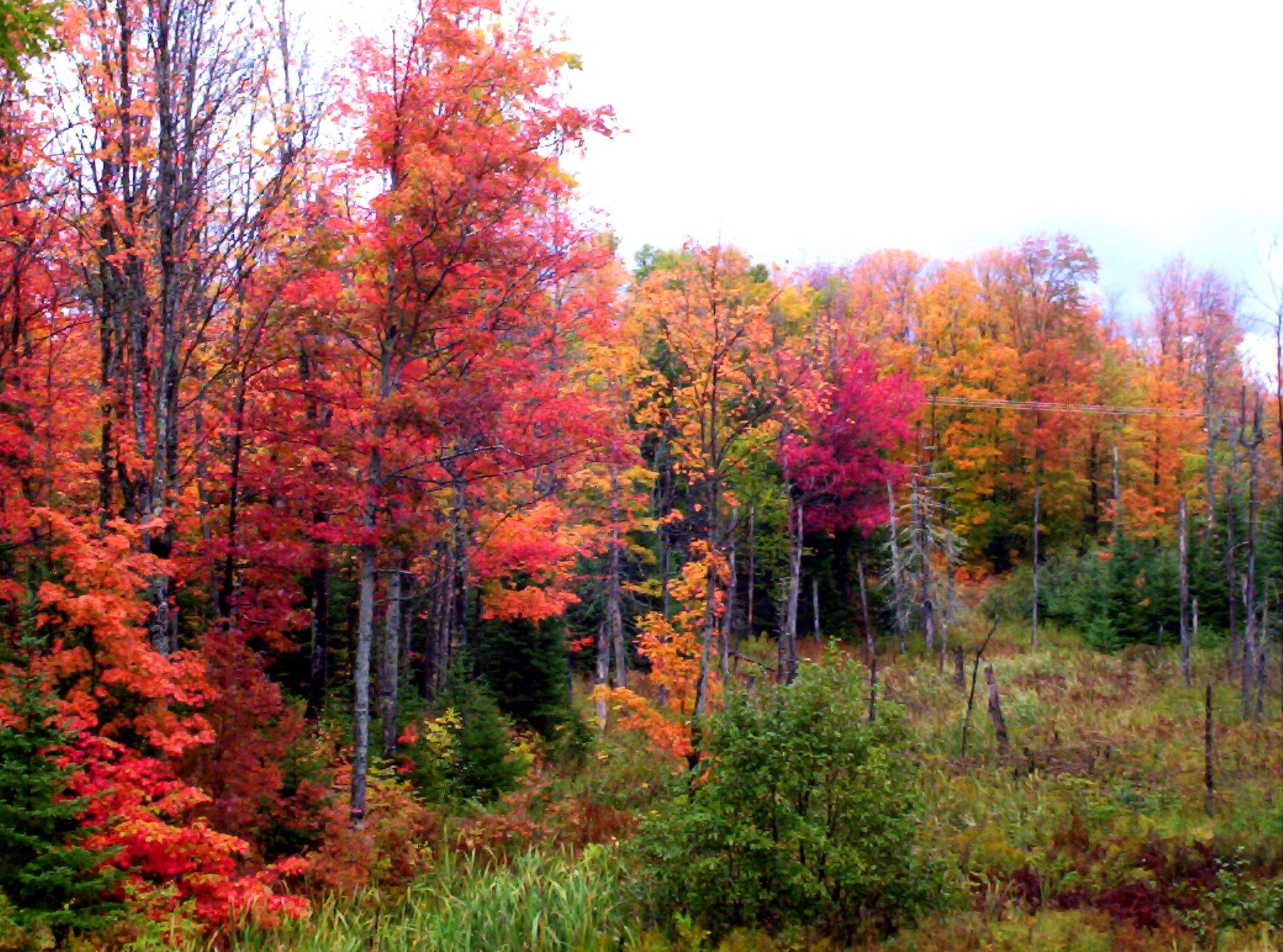
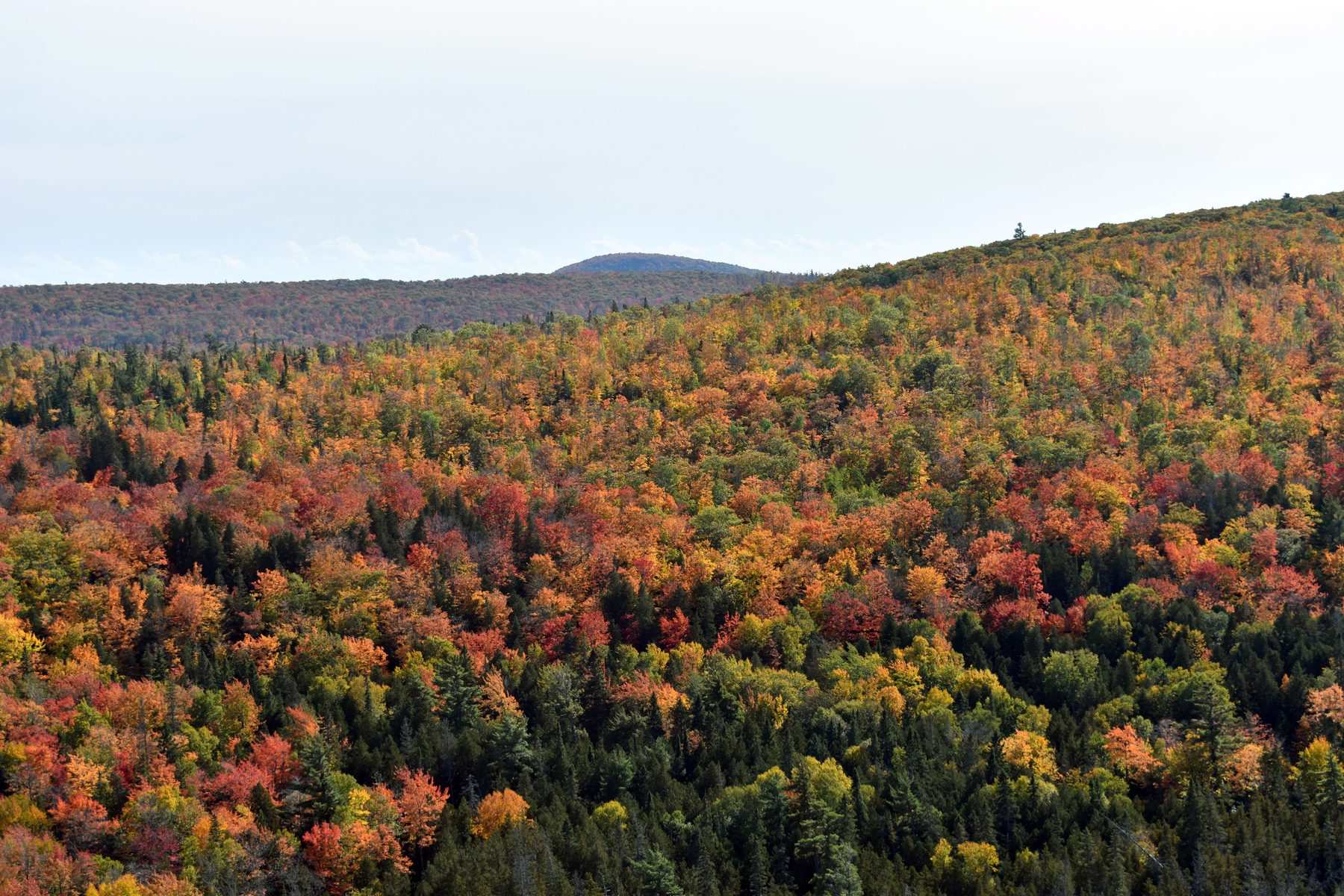
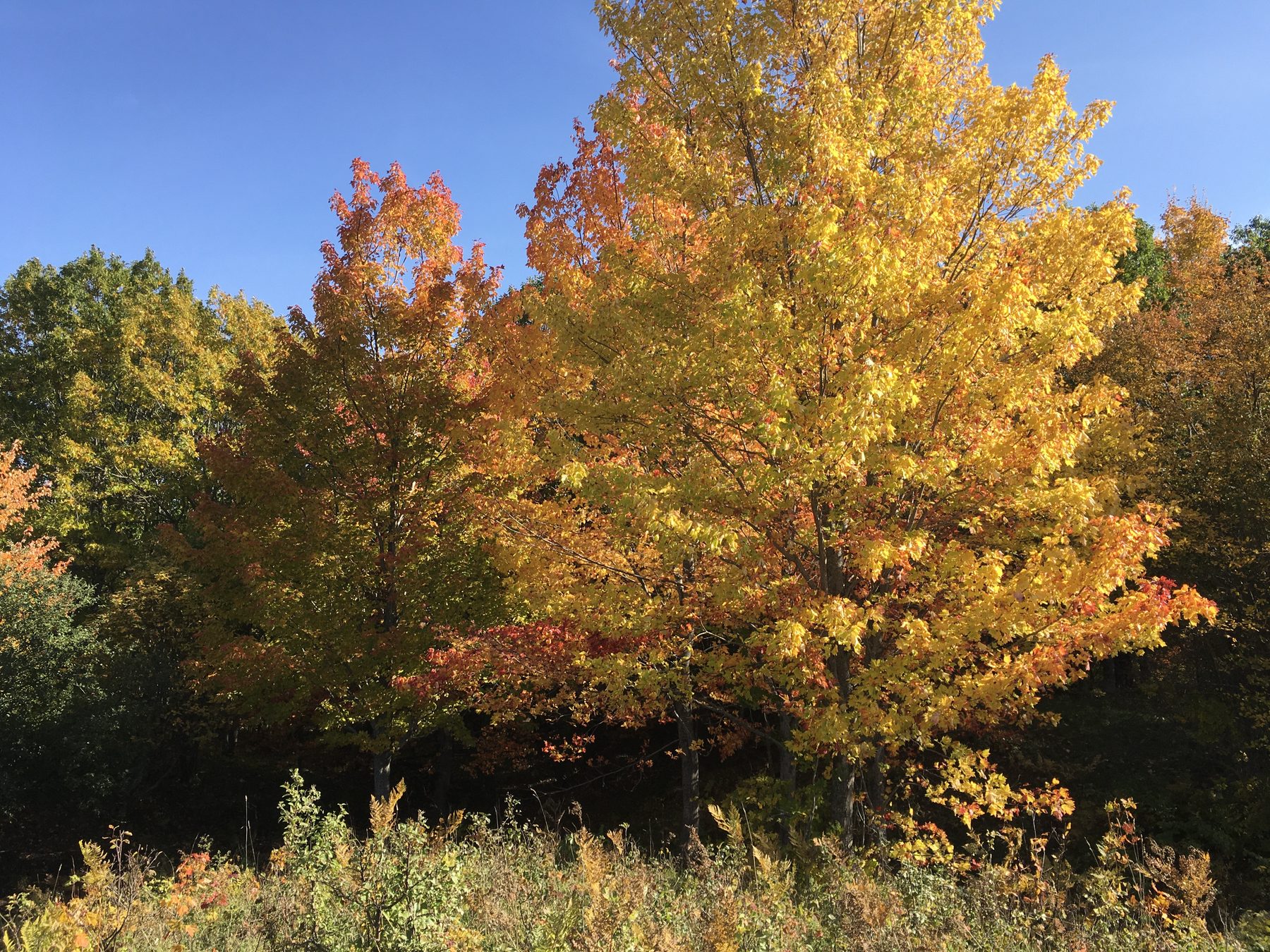
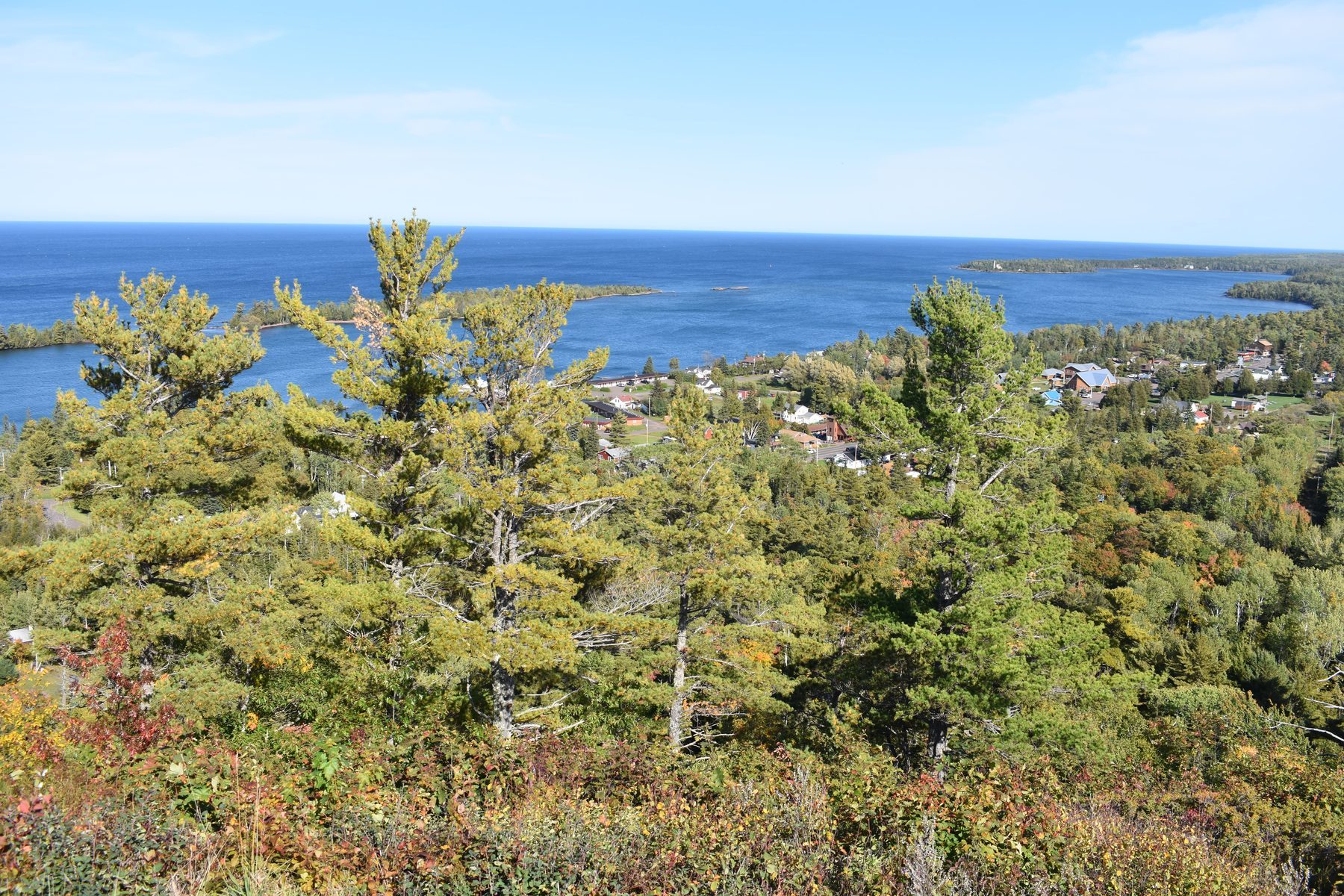
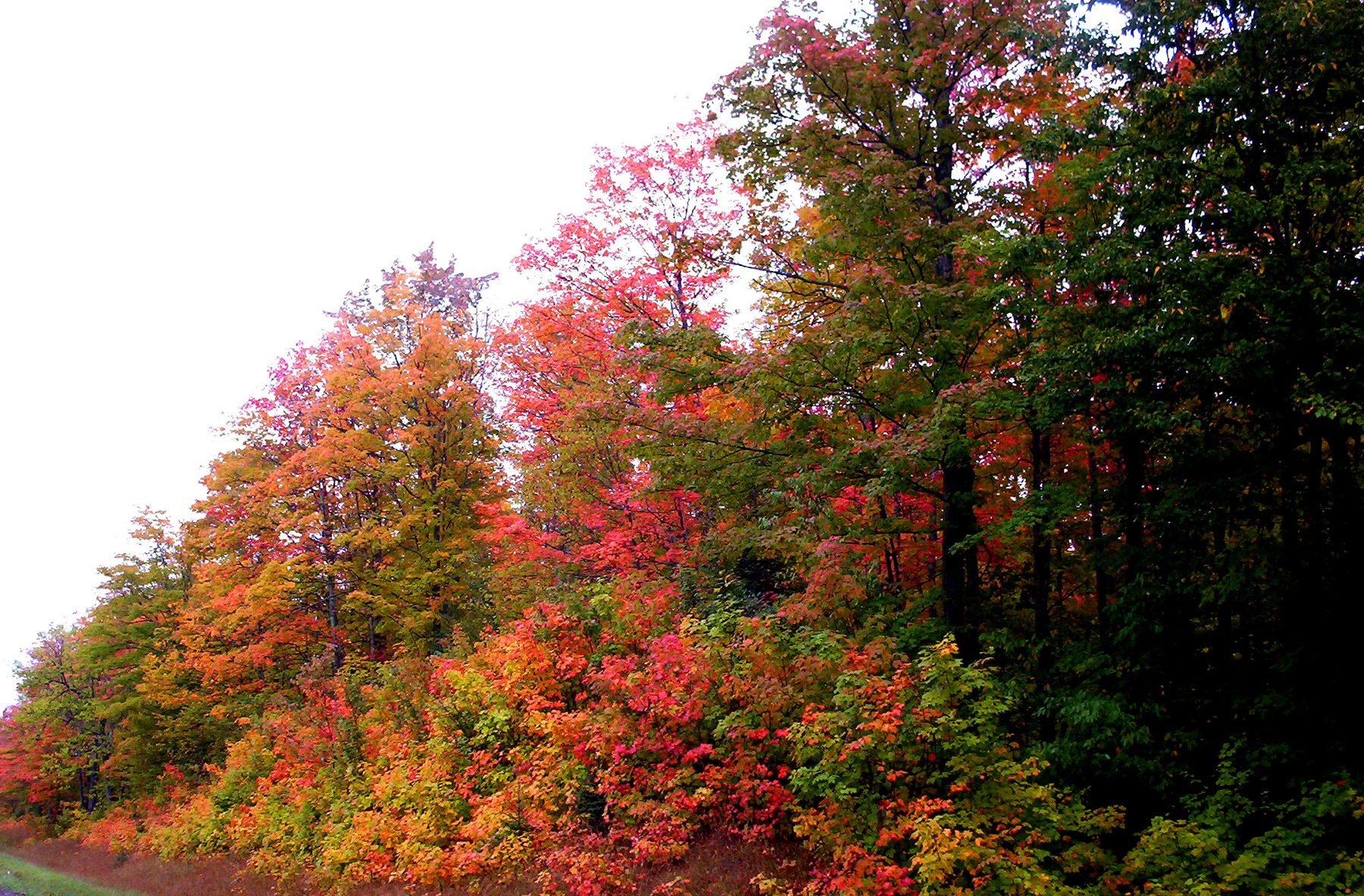
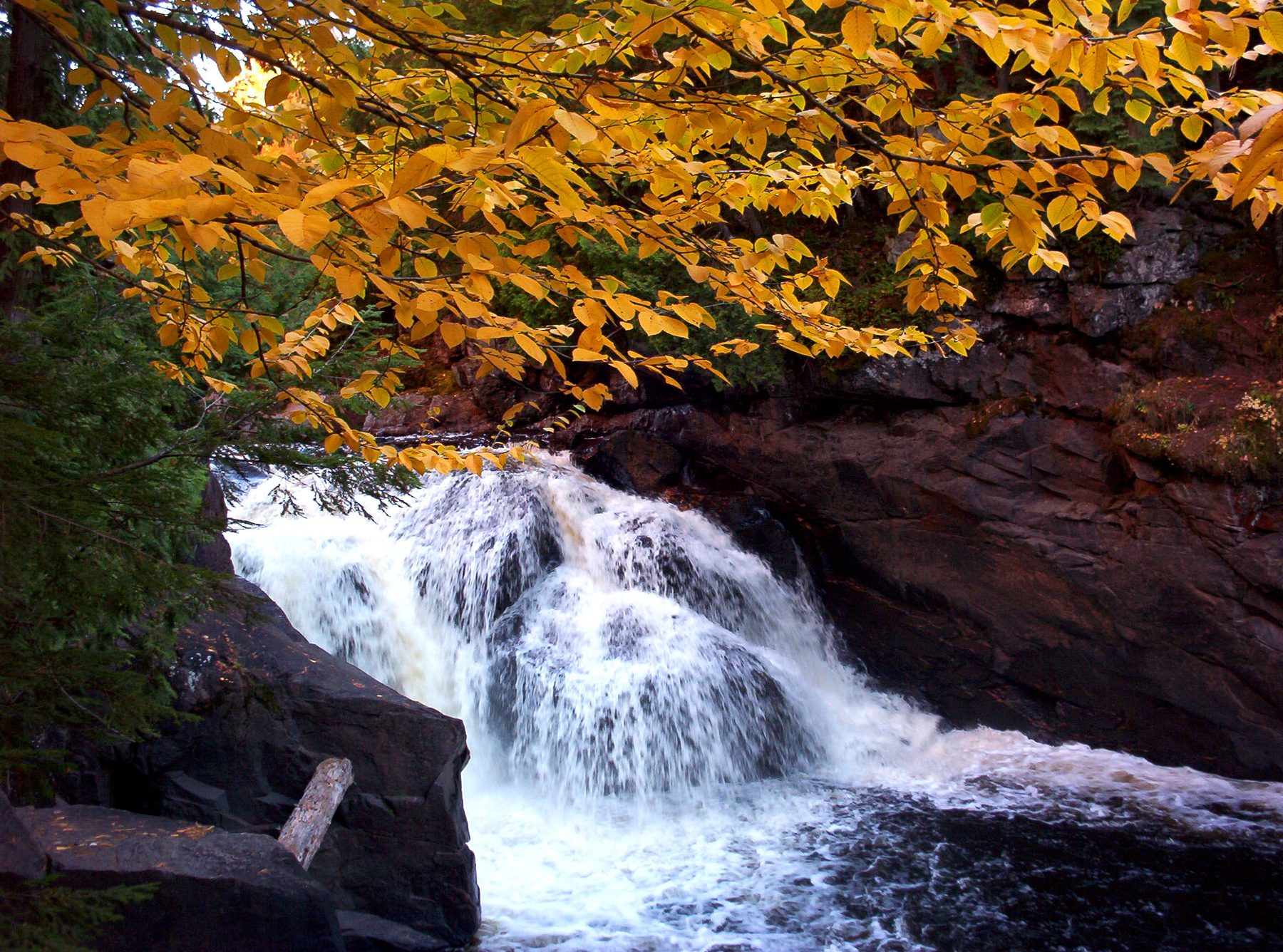
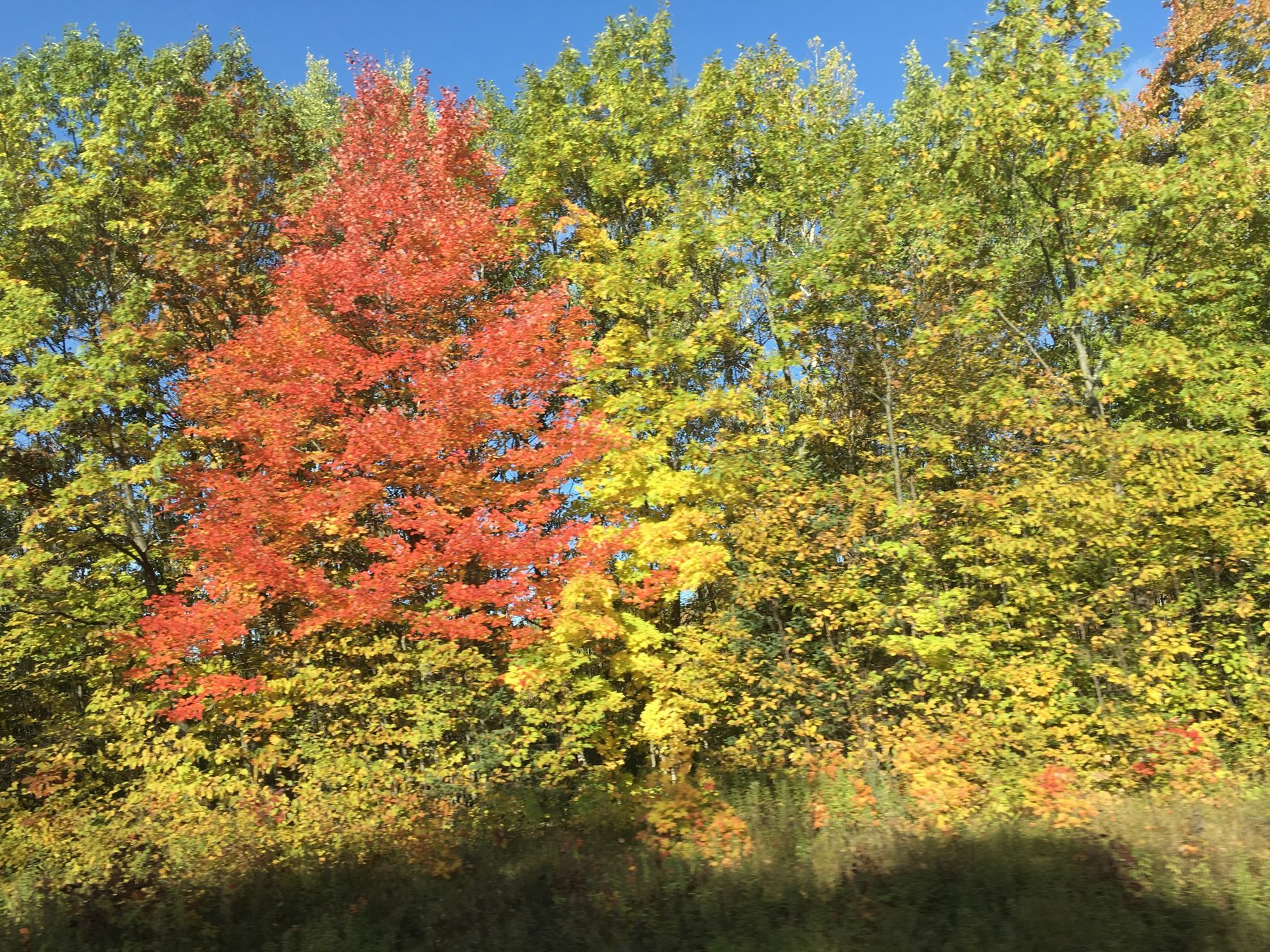
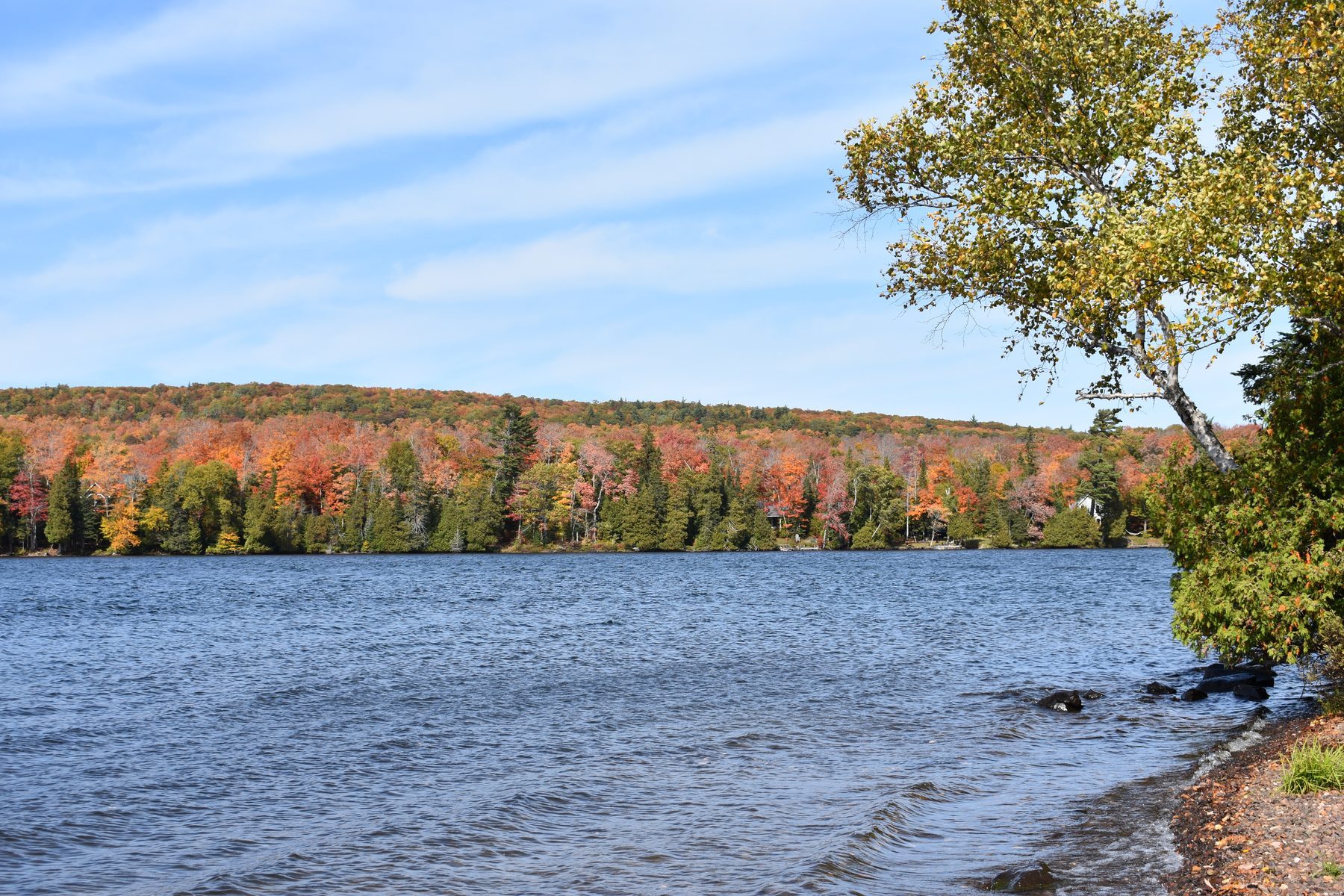
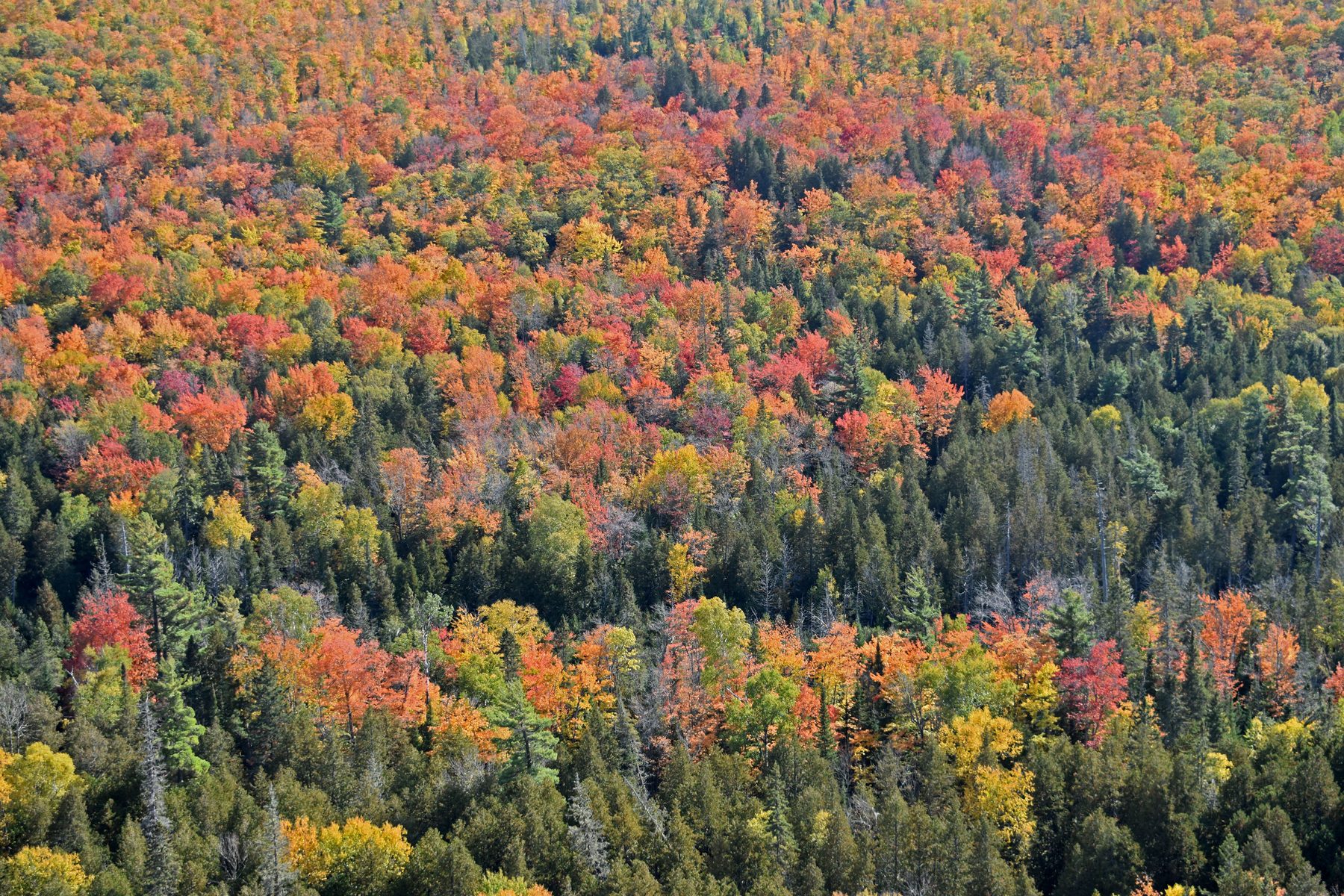
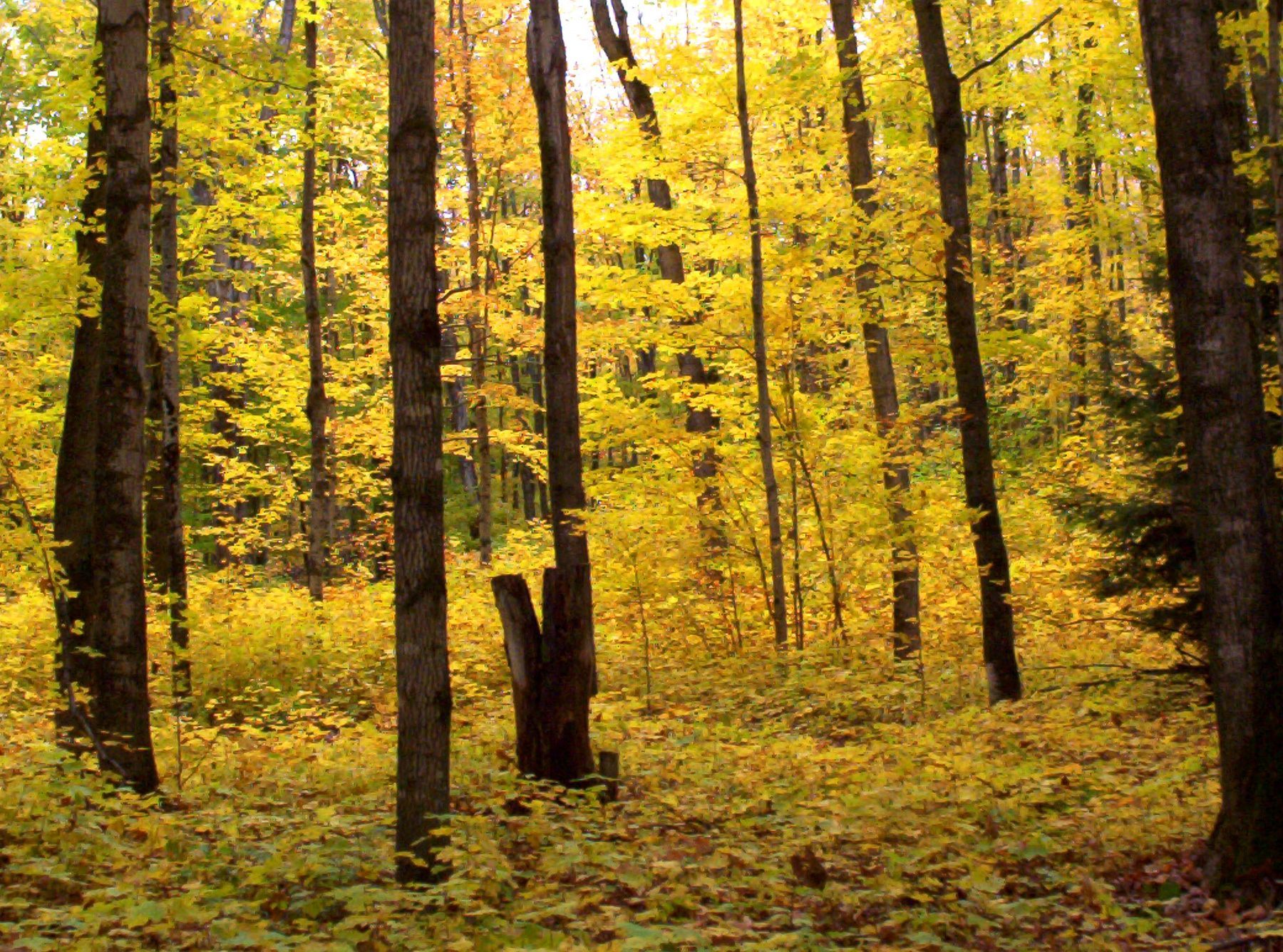
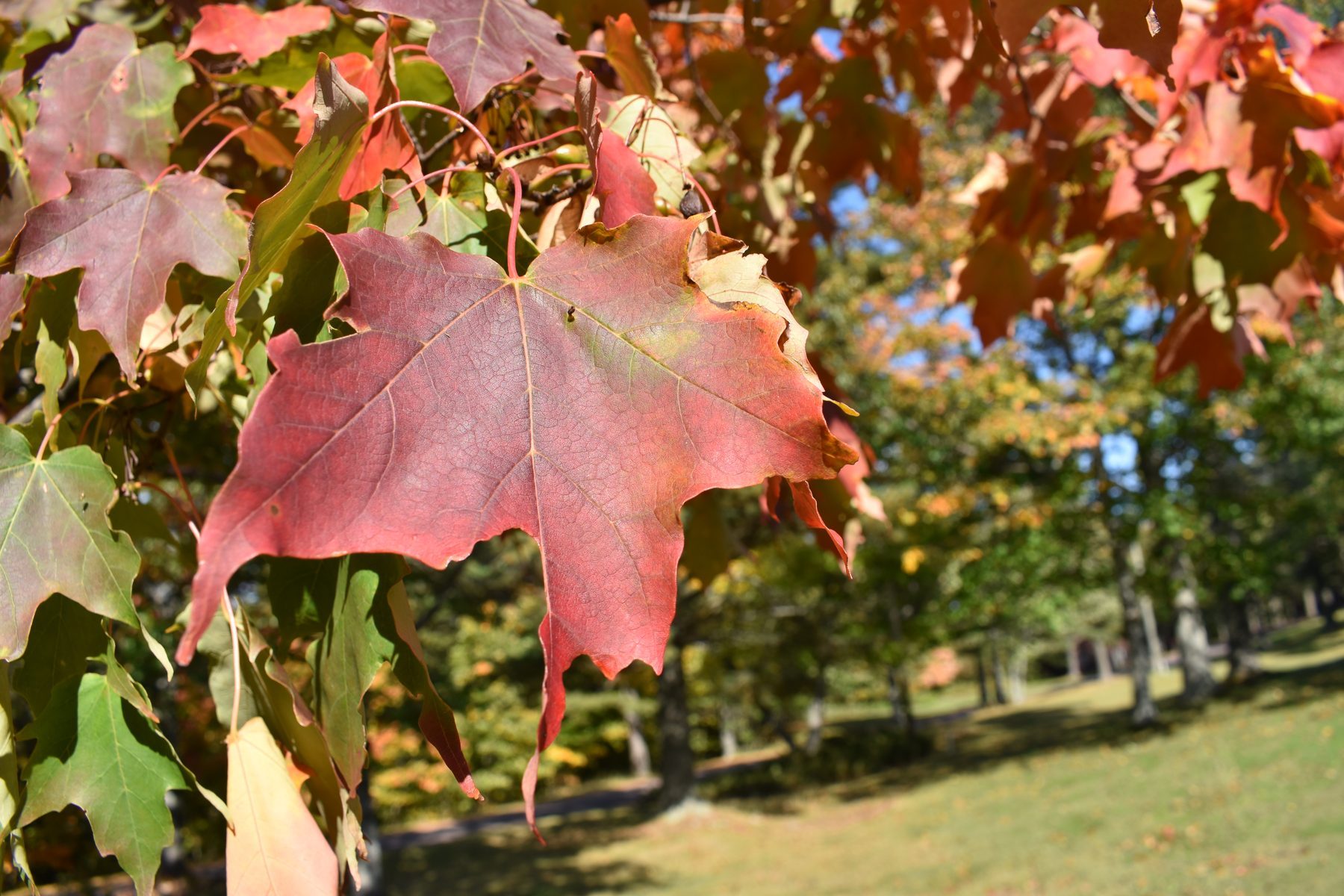
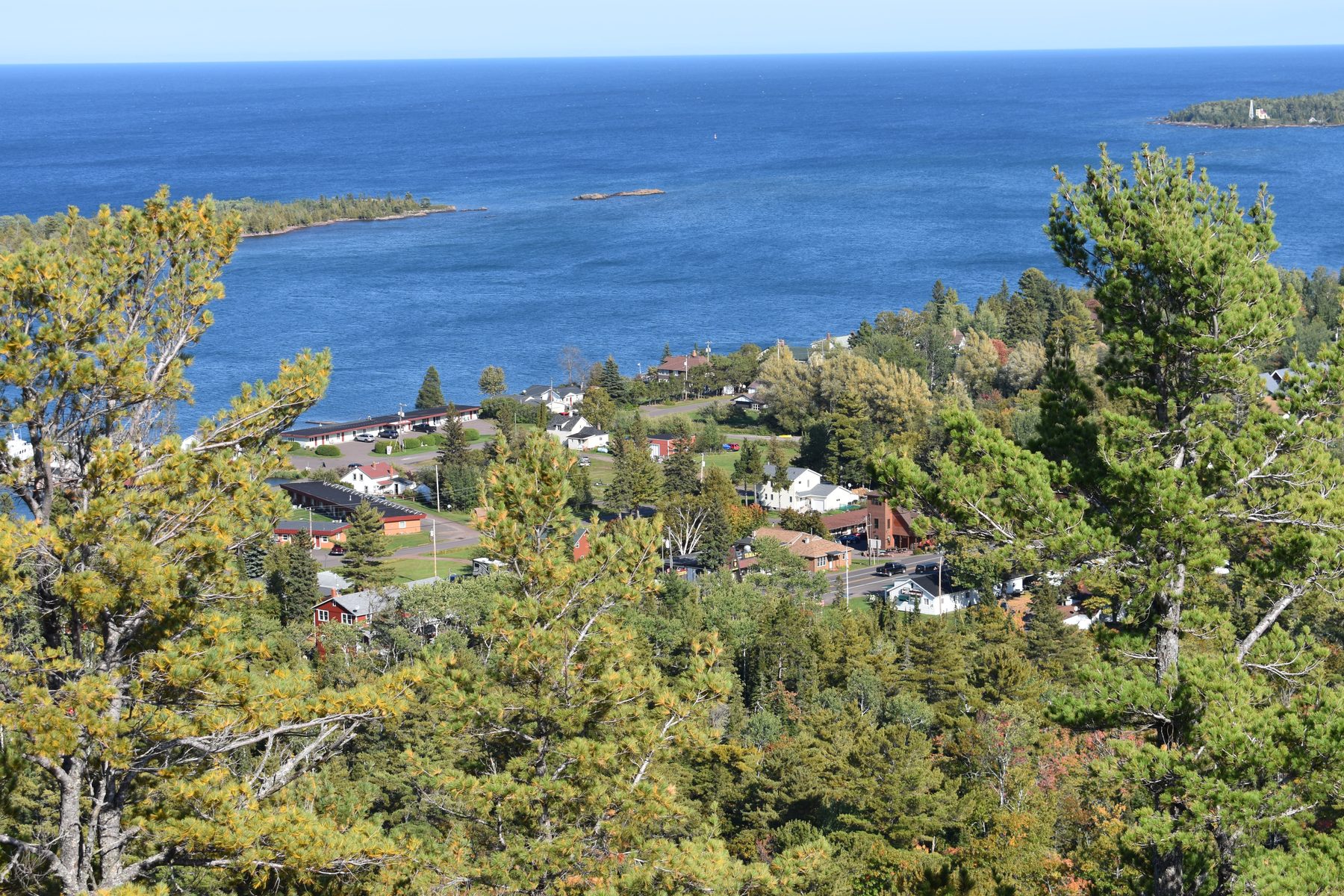
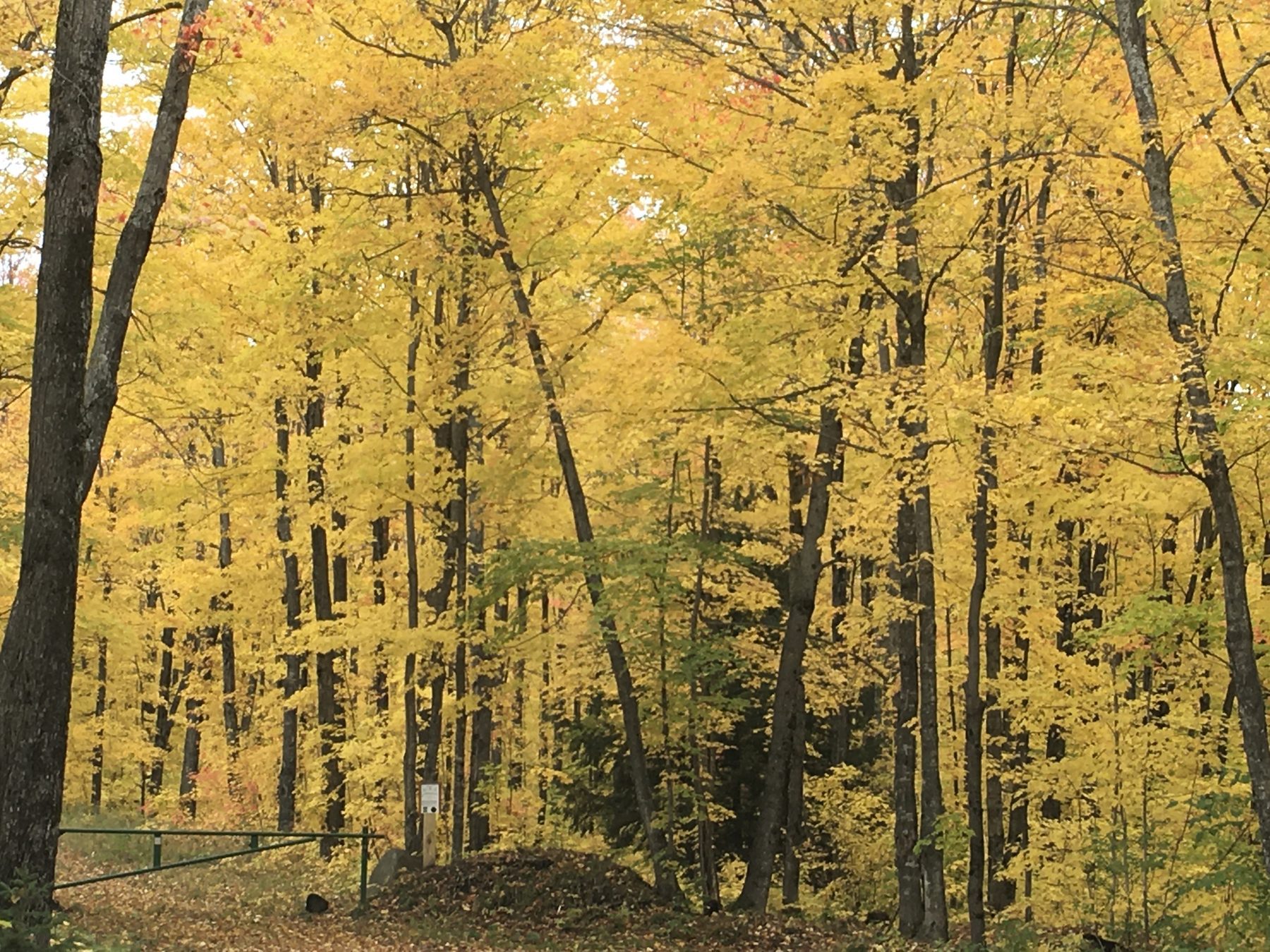
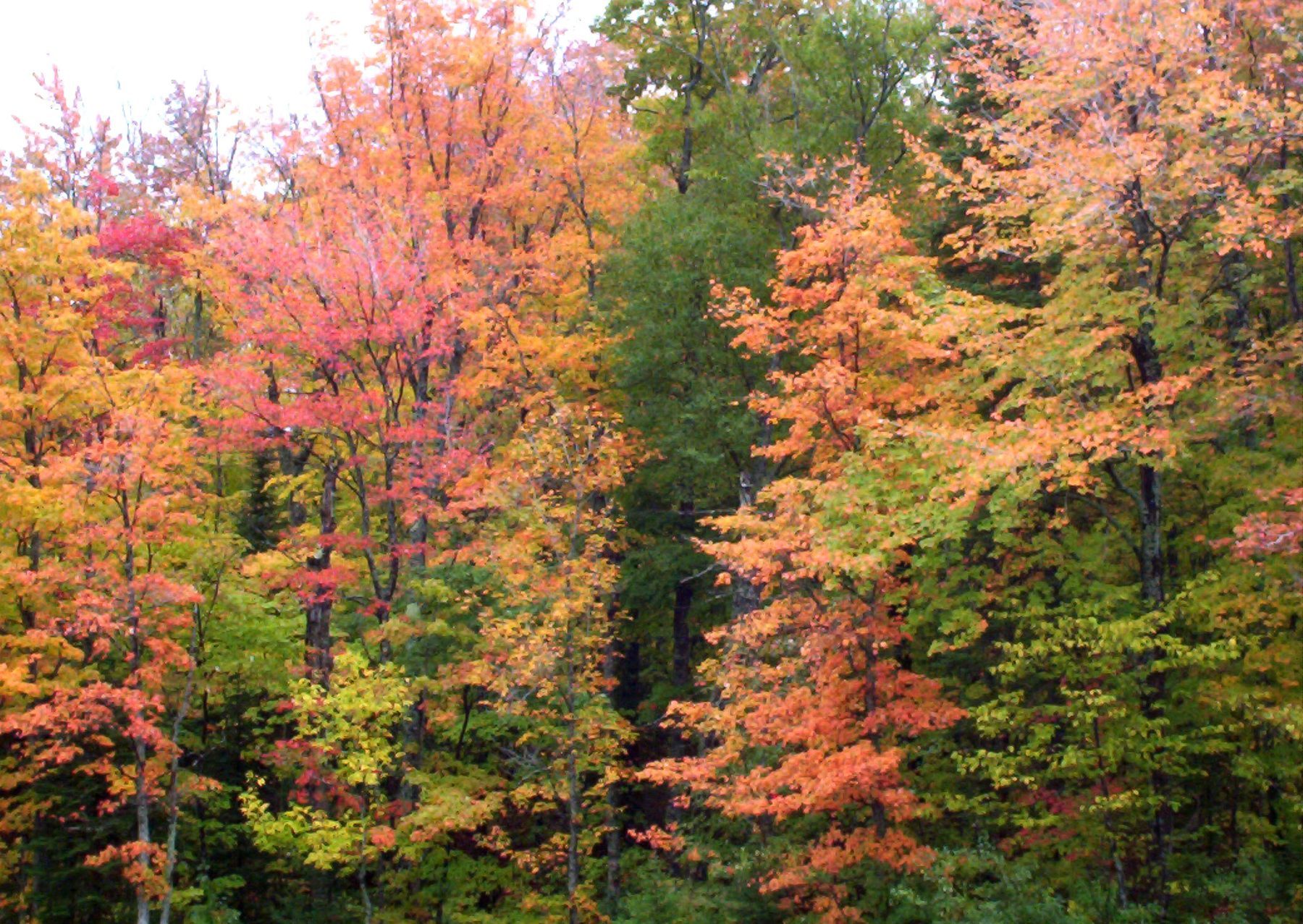
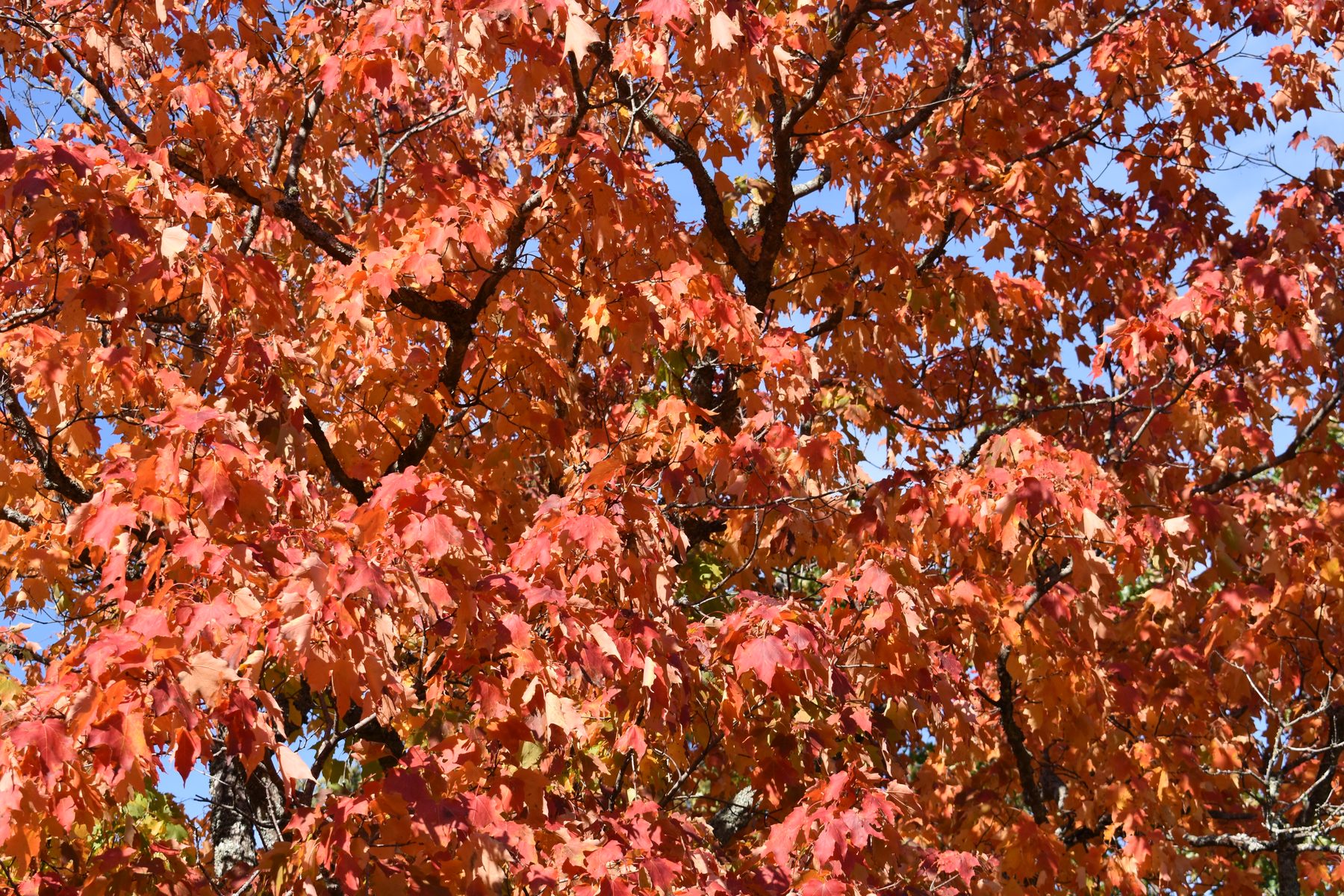
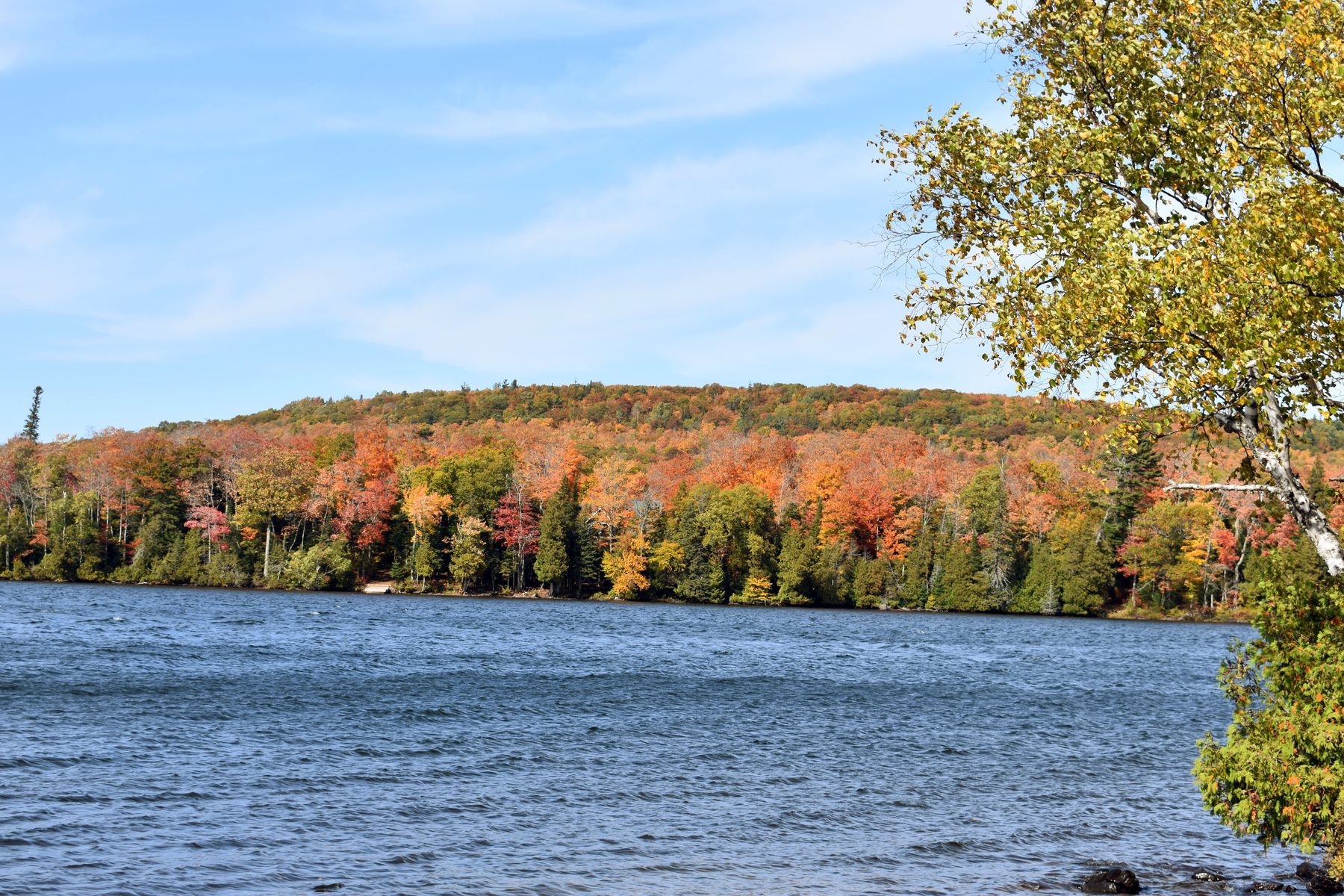
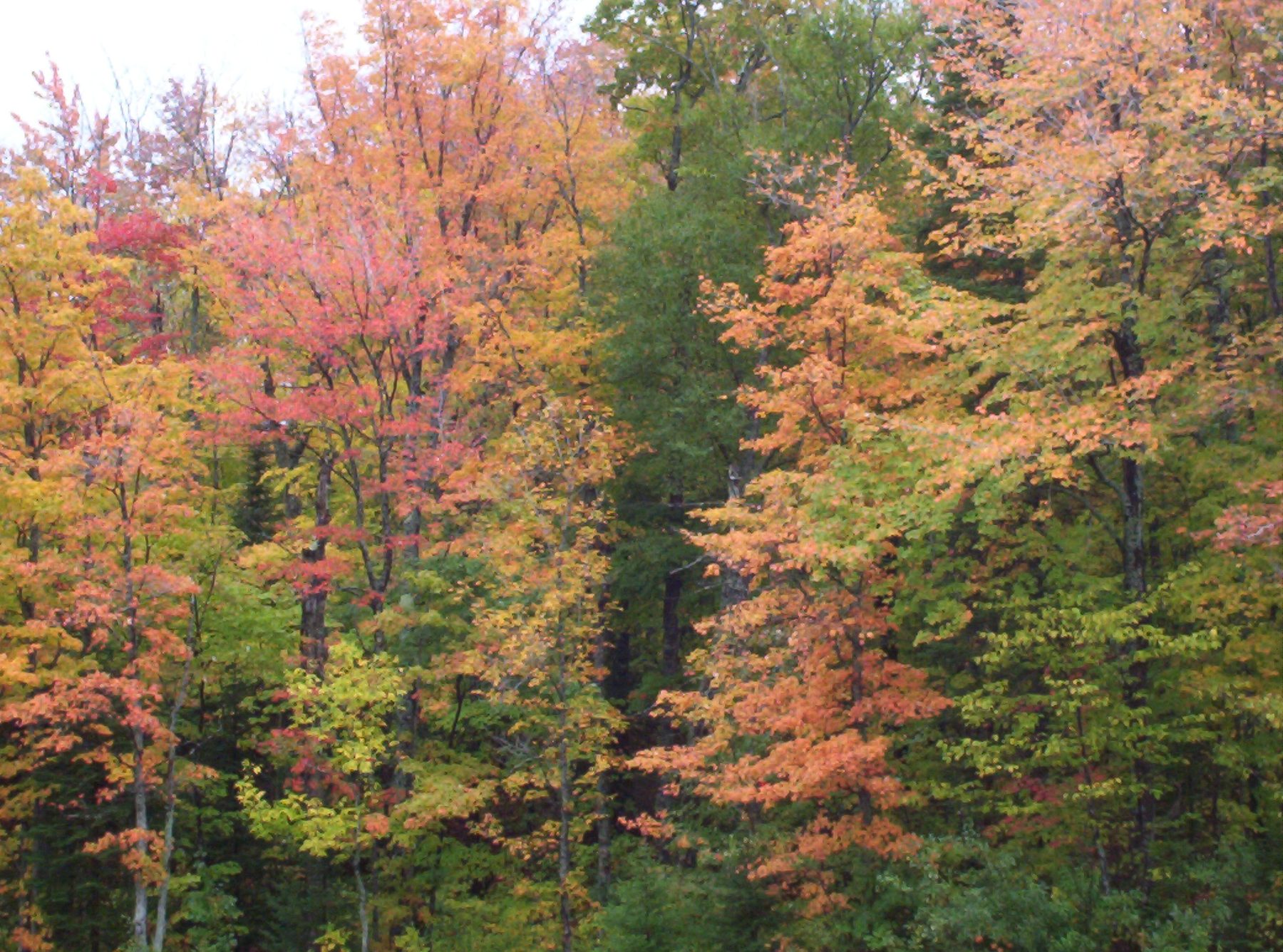
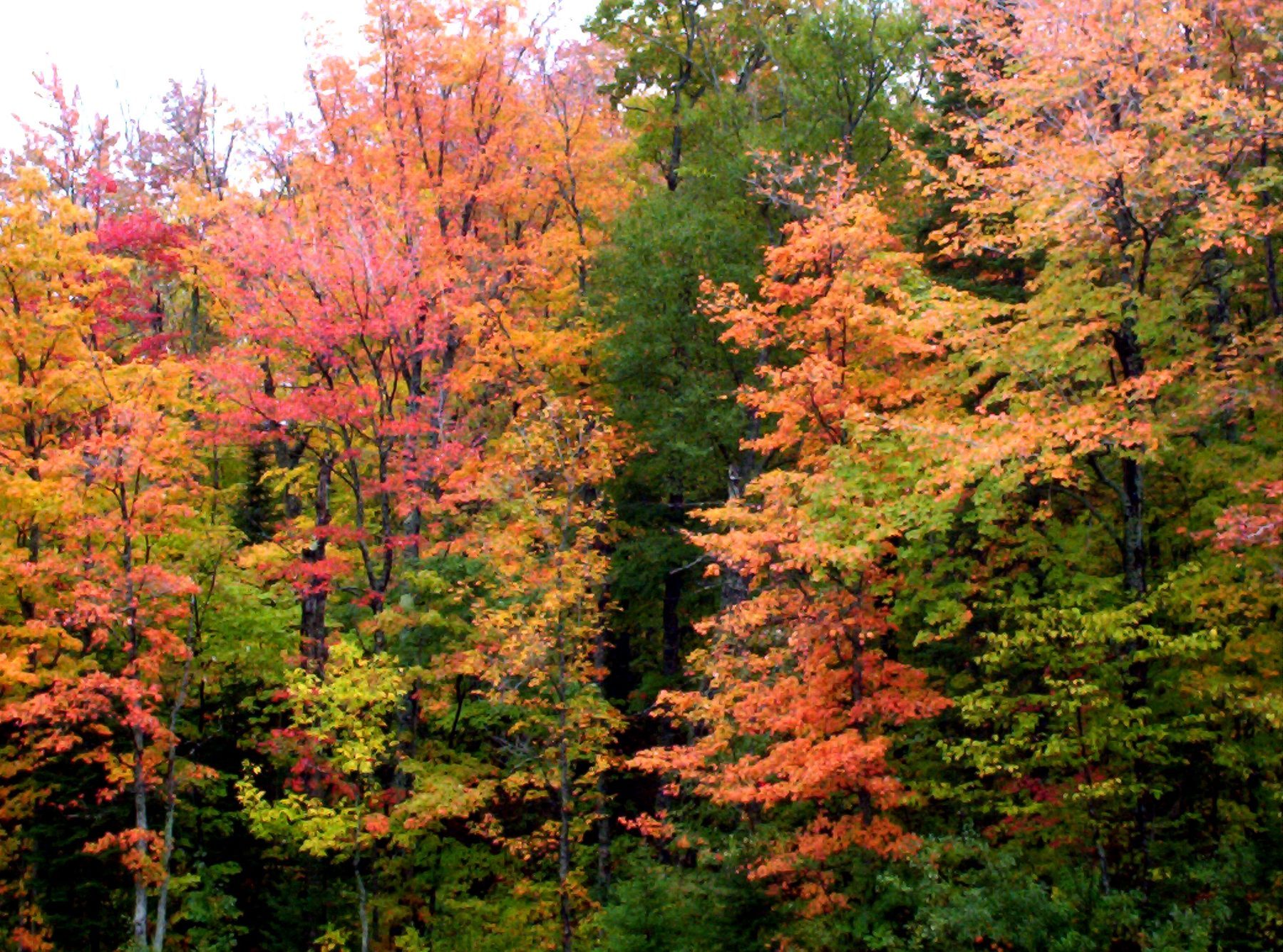
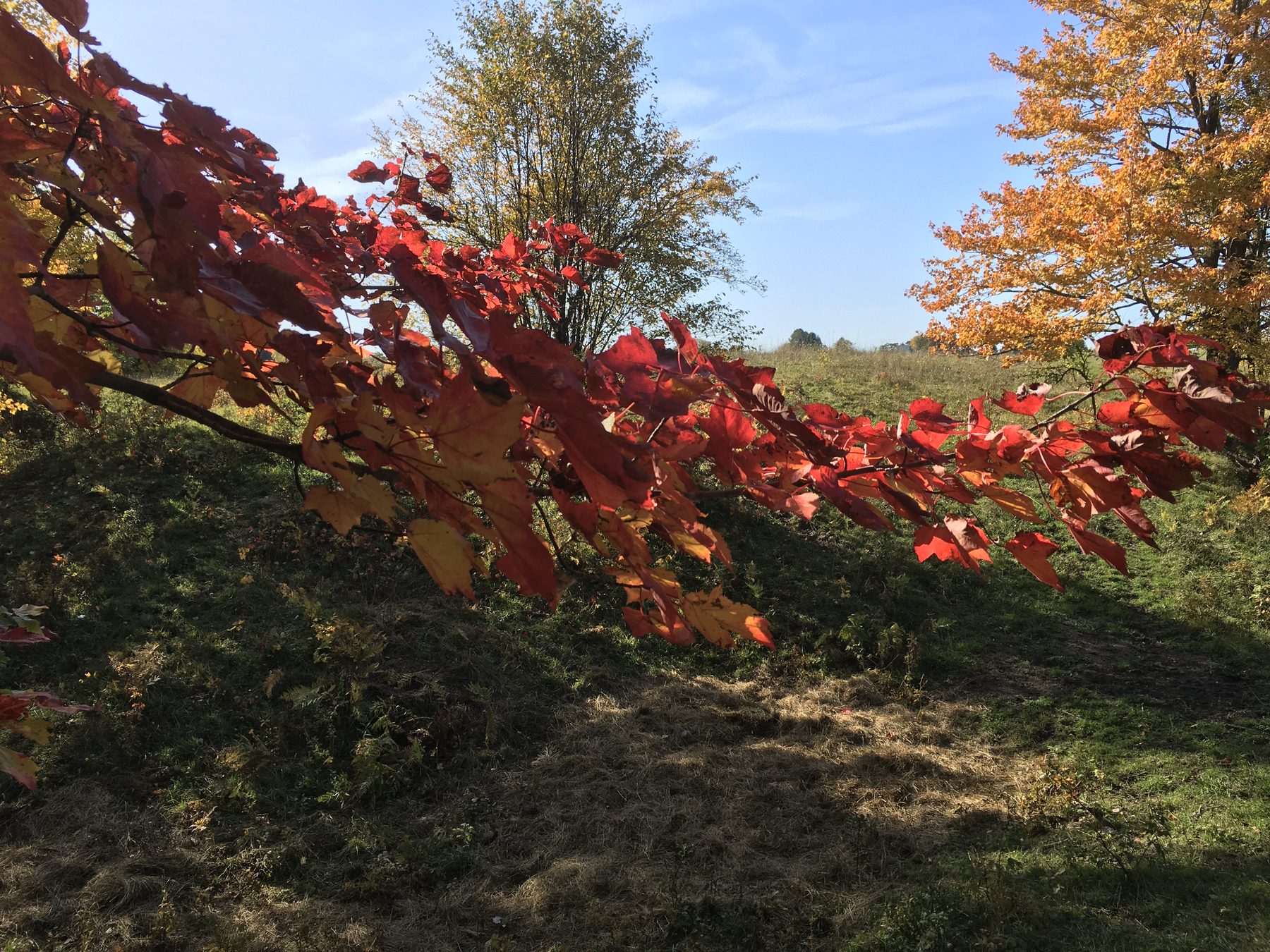
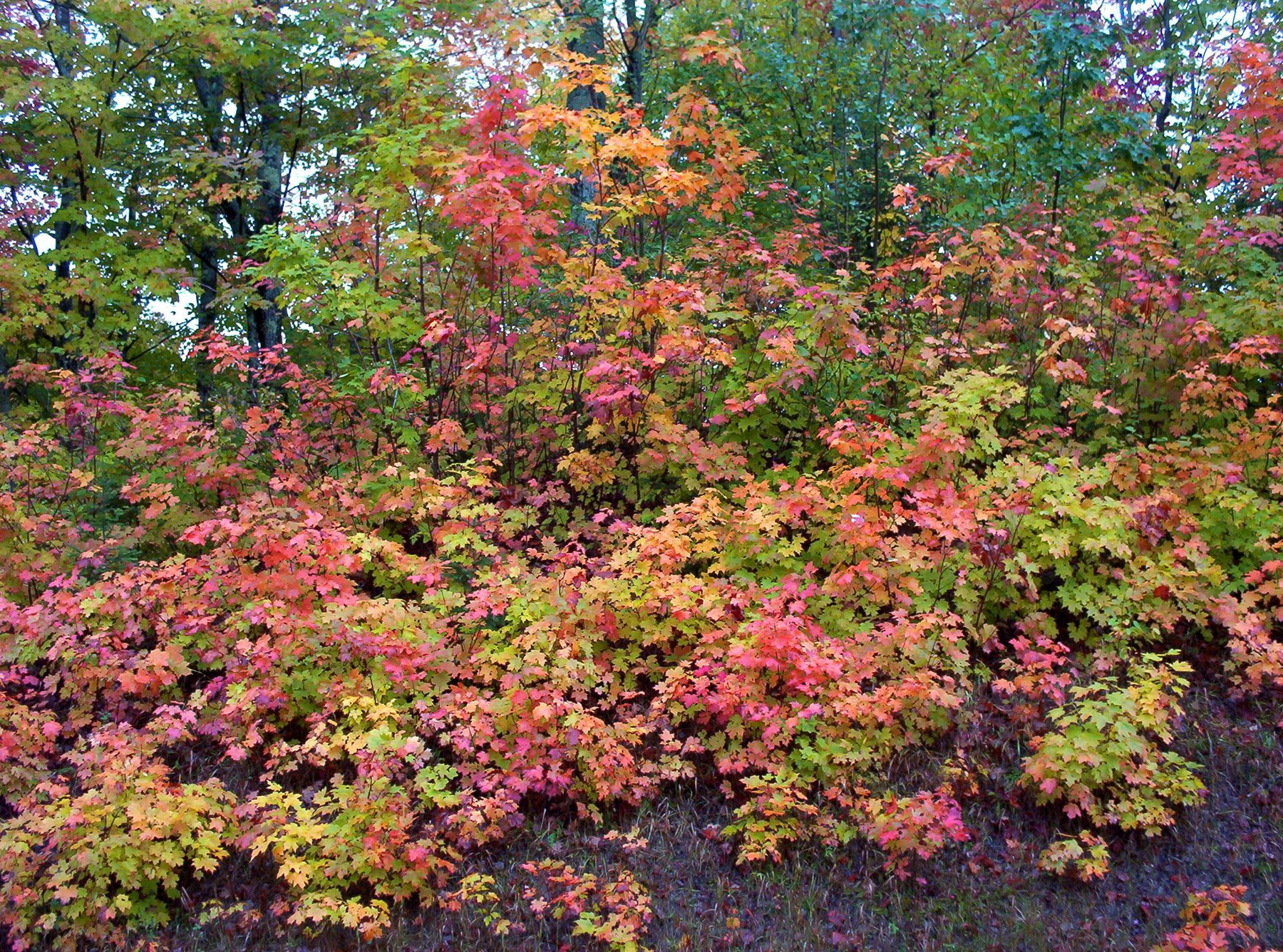
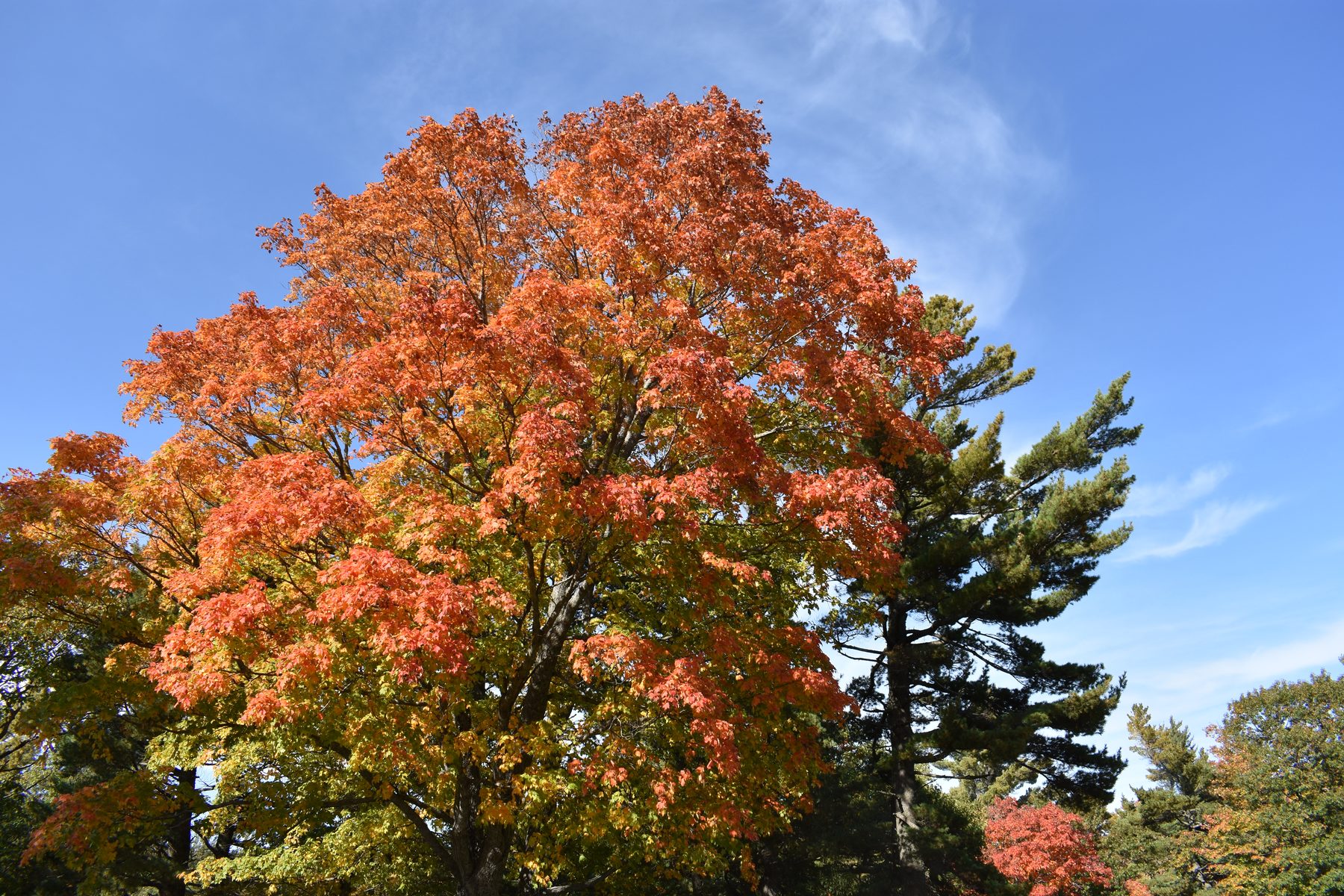
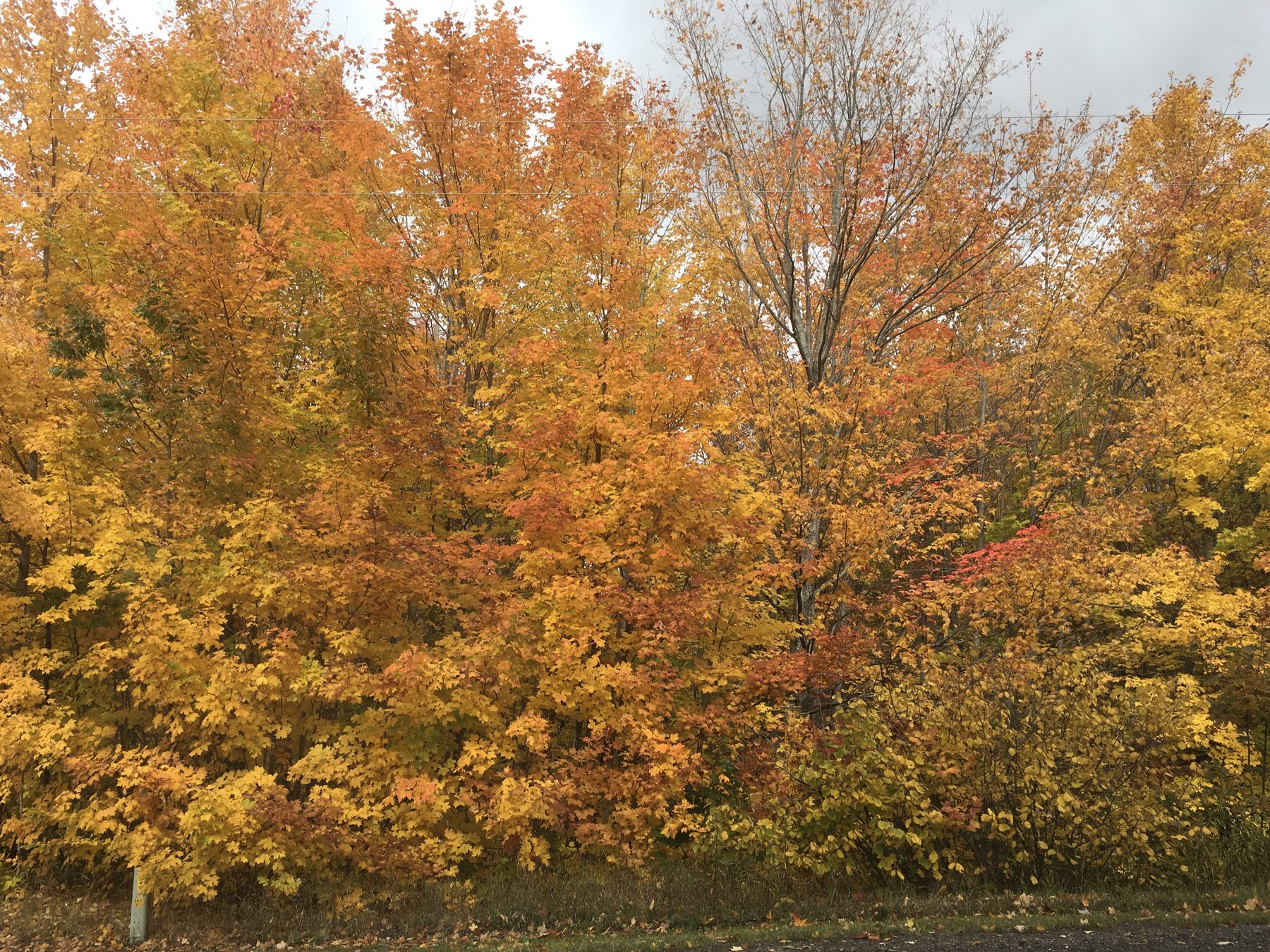
Photographs by Michael Beiring, Chassell, Michigan.
Thinking About More Than a Weekend?
Plenty of people stand on Brockway in early October, look out over Lake Superior, and start wondering what it would take to be here the other 11 months. If that’s the thought you’re having, give us a call. We’ll tell you what living in the Copper Country is actually like, good, bad, or indifferent.

Written By: Kevin Liimatta
Kevin Liimatta is the Associate Broker and owner of State Wide Real Estate of Houghton. With a business degree from St. Thomas University and over a decade in business consulting, paired with years of hands-on construction experience, Kevin brings a rare combination of market knowledge and practical expertise to every transaction. He and his wife Kathy, also a licensed Realtor, live in rural Chassell on an old family farm ...
Upper Peninsula Real Estate Question?
Whether you're buying, selling, or getting started, give us a call. You'll talk to an agent, not a call center.