
Blog Post
How I’d Decide Where to Buy Hunting Land in the US

Author: Kevin Liimatta
June 1, 2026 | Upper Michigan Real Estate
People call me a few times a year asking some version of this question. They’ve been looking at hunting property listings in Wisconsin, Pennsylvania, Iowa, Missouri, and the southern states. They’ve read the “best states for hunting” articles. And now they want to know what I think. There isn’t one right answer. There’s the right… keep reading
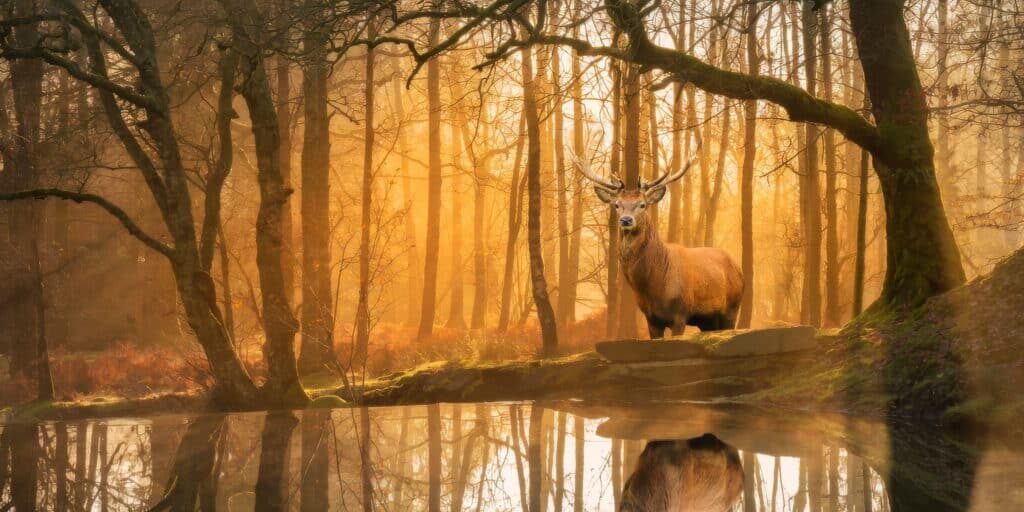
People call me a few times a year asking some version of this question. They’ve been looking at hunting property listings in Wisconsin, Pennsylvania, Iowa, Missouri, and the southern states. They’ve read the “best states for hunting” articles. And now they want to know what I think.
There isn’t one right answer. There’s the right answer for what you’re trying to do. Most of the lists online were written by someone who hunts a certain way, in a certain part of the country, and ranked states by whatever criteria fit their experience. That’s not useful if your priorities don’t match theirs, especially if you’re a first-time buyer.
I’ve been selling property in Michigan’s Copper Country (aka the Keweenaw Peninsula) for over two decades. I’ve watched outdoor enthusiasts from Illinois, Wisconsin, Minnesota, Ohio, and much farther come up here looking for recreational land. Some are after big bucks. Some want a cabin spot with a hundred acres to walk. Some are buying recreational property for their grandkids. For several people, their “hunting” was sitting in the woods with a great camera, snapping pictures and video of wildlife. All these folks shouldn’t be evaluating hunting land the same way.
So instead of giving you a ranking, here are the eight things I’d actually evaluate if I were the buyer.

Cost Per Acre Relative to What You Get
Land is only “cheap” if what you get is worth what you pay. A $1,500-per-acre property that holds two deer through the winter isn’t a bargain. Price per acre needs to be measured against quality, access, and what’s growing on it.
USDA NASS publishes annual farm real estate values by state. As of the 2024 report, Michigan averaged $6,310 per acre, Wisconsin averaged $6,120 per acre, and Pennsylvania was higher than both. Those numbers reflect farmland that’s tillable, fenced, and near markets, and they don’t translate cleanly to recreational hunting land.
Raw forest acreage with road access in the UP runs a lot less. Wooded parcels in Houghton, Baraga, or Ontonagon counties regularly trade between $2,000 and $5,000 per acre, depending on access, frontage, and timber value. Small acreage (under 40) usually runs higher per acre than larger blocks.
Quality whitetail properties in Iowa, Kansas, and southern Wisconsin often run many times that. Missouri, Tennessee, Alabama, and Oklahoma run lower on average than the corn-belt states, but climate, density, and species mix shift the comparison.
Cost per acre is just the first filter, but it’s also the most misleading.
Average Farm Real Estate Value – United States: 2010-2024
Dollars per acre
USDA – NASS August 2, 2024
Deer and Game Density
This is where I have to be honest about the UP. Southern Wisconsin and parts of Pennsylvania have higher whitetail deer densities than the Upper Peninsula. The 2024 National Deer Association report shows Michigan, Pennsylvania, and Delaware tied at 3.9 bucks harvested per square mile statewide, but the UP runs well below that. The state-average number is carried by southern Michigan farm country, not by Keweenaw County. If raw deer population per square mile is your single metric, the UP isn’t where you go. As a bonus thought, the hunting pressure is very light in the UP, so you might enjoy your hunt in the UP a lot more.
Wisconsin’s Northern Forest Zone harvested 2.9 deer per square mile in 2024, according to the Wisconsin DNR. The UP runs similar, better in mild winters, worse in tough ones. The Michigan DNR’s 2025 deer hunting preview noted that the highest deer numbers in the UP are in the south-central portion, where winters are milder and there’s more agriculture. Houghton and Keweenaw counties are recovering after several severe winters, but they aren’t southern Wisconsin numbers.
Then there’s the rest of what’s out there. Black bear, ruffed grouse, woodcock, snowshoe hare, the occasional moose, and waterfowl through the Mississippi Flyway. Wild turkey populations are established in the UP, and turkey hunting is a real spring season. If you’re after a mixed-bag property and not just a whitetail deer, the math changes.
Texas gives you whitetail plus exotics. Nebraska gives you trophy whitetail and pheasant. Missouri runs strong on deer and turkey. For elk, you’re looking at the western states of Idaho, Colorado, Montana, or Michigan’s managed elk herd in the northern Lower Peninsula, which is draw-tag only, not the UP. Big game variety and elk country are their own conversations.
Match density and species to what you actually hunt.
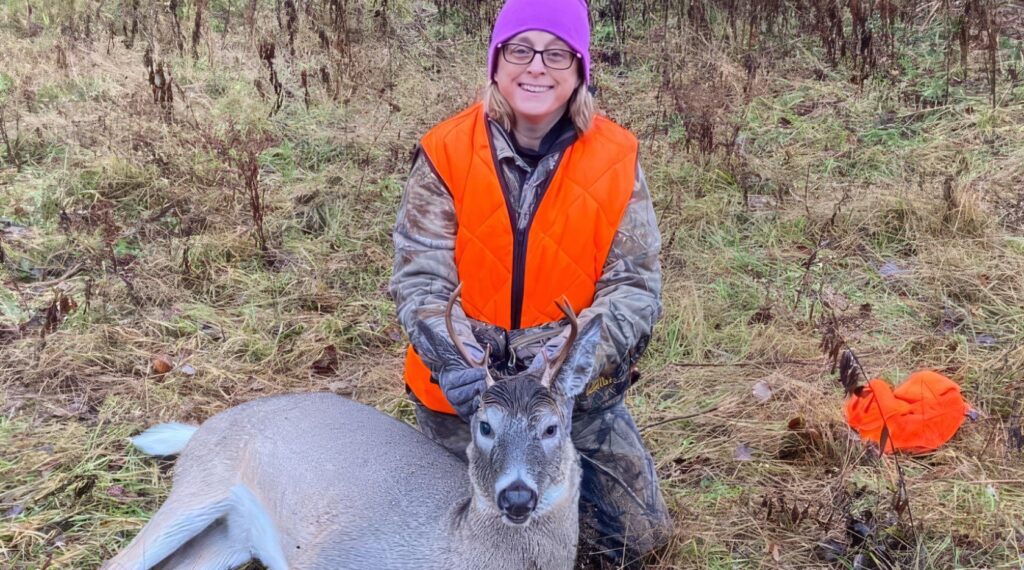
Public Hunting Land Nearby
A 40-acre private parcel feels a lot bigger when it sits next to 100,000 acres of national forest. This is where Michigan is genuinely strong.
OnX Maps reports Michigan as the state with the highest percentage of land open to public hunting, 20.3% of total acreage, more than any other major eastern state. That’s roughly 7.3 million acres of state and federal public land plus another 2.2 million acres in the Commercial Forest program (more on that below). The UP holds the Ottawa National Forest, Hiawatha National Forest, Copper Country State Forest, and Escanaba River State Forest. If you buy 40 acres in Ontonagon County that borders Ottawa NF, you’re effectively hunting a footprint several thousand times the size of what you paid for.
Most other states don’t come close. Wisconsin and Pennsylvania both sit in the 12-15% range, and the plains states like Nebraska and the Dakotas are short on public land but run solid walk-in access programs on private ground. Texas is roughly 3% public; almost everything there is private hunting, and most quality hunting grounds are leased. Western states like Idaho flip the equation; most acreage is public, but elk country has its own dynamics.
If you want to step off your own land and keep walking, this matters a lot. If you want hard-controlled private hunting only, it matters less.
Season Length and Bag Structure
Hunting season length matters more than people realize. A short season concentrates pressure and limits flexibility. A long season gives you weather options, work-schedule options, and time actually to learn the property. The best hunting on a given parcel often comes outside opening week.
Michigan’s deer hunting seasons stretch from October archery through January, with late antlerless in much of the state, and the regular firearm season from November 15-30. The UP has antler point restrictions you’ll want to read carefully before buying. Wisconsin’s gun deer season is about 9 days shorter than Michigan’s, ending around Thanksgiving. Pennsylvania’s firearm season is similarly compressed.
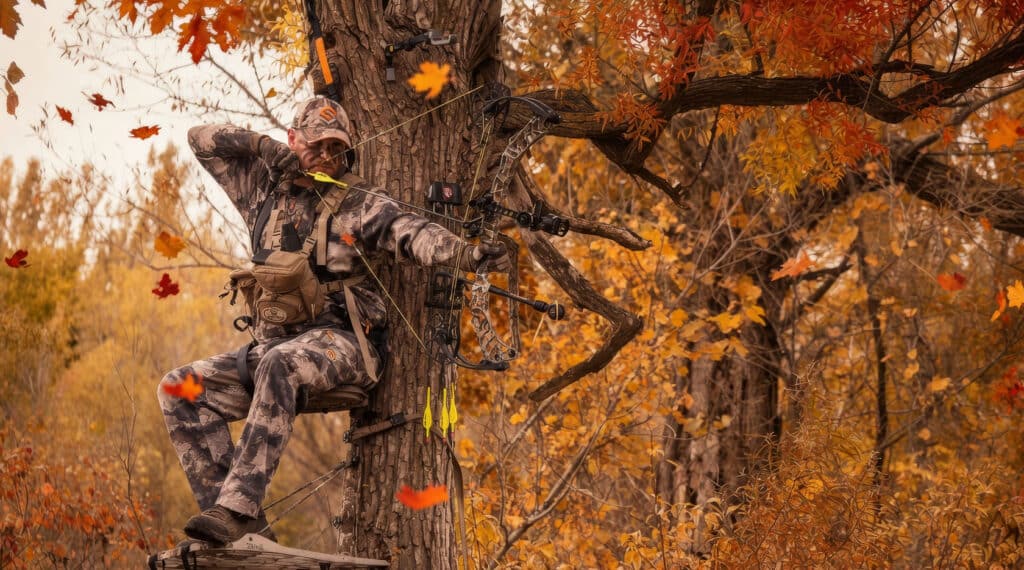
Southern states like Alabama and Tennessee run extended warm-weather seasons. Plains and corn-belt states keep seasons tightly controlled, with limited out-of-state tags. Waterfowl hunting is a separate calendar layered on top of federal flyway dates with state-level adjustments, and the UP catches both diver and dabbler migration through October and November.
Bag limits and license structures change year to year. Check the current state DNR or wildlife agency regulations for the year you’ll be hunting, not what someone wrote in 2019. The bigger structural question is whether the season is long enough for the way you actually hunt.
Property Tax Structure for Non-Resident Landowners
Michigan property taxes are complicated, and they’re worth understanding before you buy. Every property has two values: assessed value and state equalized value (SEV). When the property is sold, the new owner is taxed based on the SEV, not on what they paid. Under Michigan law, the assessor can’t reset taxes to match the sale price; that’s called chasing sales, and it’s illegal.
Here’s the part that matters for hunting land buyers. If you live in the house as your primary residence (homestead), you don’t pay the school portion of the tax; you get the 18-mill discount, which is $18 per thousand of taxable value. If you’re a non-resident buying a hunting parcel as a second property, you pay the full school tax.
School money in Michigan basically comes from vacation property owners, second-home owners, and commercial businesses. People who live in their homes don’t pay it. It’s the opposite of how most people think about it, but it’s the law.
Out-of-state owners in Michigan pay a higher effective property tax rate than local owners with the same valuation. Wisconsin has similar exposure for second-home owners. Pennsylvania varies by county. Texas has no state income tax but high property taxes overall.
If you’re buying from out of state, do the math on annual carrying cost, not just the purchase price.
Land Use Restrictions, Easements, and Mineral Rights
This is where outside buyers are most often blindsided. Four things to check.
Commercial Forest Enrollment
Michigan’s Commercial Forest program — sometimes called CFR, CFA, or CF gives landowners a reduced property tax rate ($1.35 per acre for tax years 2022-2026) in exchange for managing the land for commercial timber production. Enrolled land MUST allow public foot access for hunting, fishing, and trapping. And you, as the owner, can’t build on it, no cabins, no permanent tree stands. You need a forest management plan from a registered forester, and withdrawal carries a penalty. Roughly 2.2 million acres of private Michigan timberland are enrolled, much of it in the UP. The penalty is several years’ worth of the calculated property taxes–there’s a formula the State uses.
Severed Mineral Rights
A lot of UP land has mineral rights severed from the surface estate — a legacy of the copper and iron mining era. The seller might own the surface, but not what’s underneath. Get the title work done; read what’s exempted in the warranty deed.
Easements and CCRs
Covenants, codes, and restrictions on the deed. Logging easements. Power line easements. Snowmobile trail easements crossing the property. None of these are dealbreakers if you know about them. There are problems when you don’t.
Federal Program Enrollment
Conservation Reserve Program (CRP) contracts appear on hunting properties in the corn belt of Iowa and Missouri, paying annual rent in exchange for land-management restrictions. Wisconsin has its own Managed Forest Law. Pennsylvania has Clean and Green. Read what’s on the deed before closing.
One more thing on listings. Don’t trust the word “turnkey” on a hunting property listing. Turnkey means different things to different sellers; sometimes, food plots, water sources, and tree stands are in place. Ask in writing what’s included with the parcel.
Trail cameras and tree stands are portable, and sellers often take them, so don’t assume they’re included. Food plots and water sources convey with the land, but check their condition before you count on them.
Climate and Year-Round Usability
This is the criterion most often glossed over in hunting land articles, and it’s the one that actually determines whether you’ll use the property year-round or just six weekends in November.
The UP gets winter–typically a lot of winter. Houghton County averages around 220 inches of snow a year. The lake-effect belt north of US-41 runs higher. That’s a real cost: you need a plowed driveway, a structure that can handle snow loads, and, if you’re not coming up in February, you’re paying to heat or winterize a cabin you aren’t using.
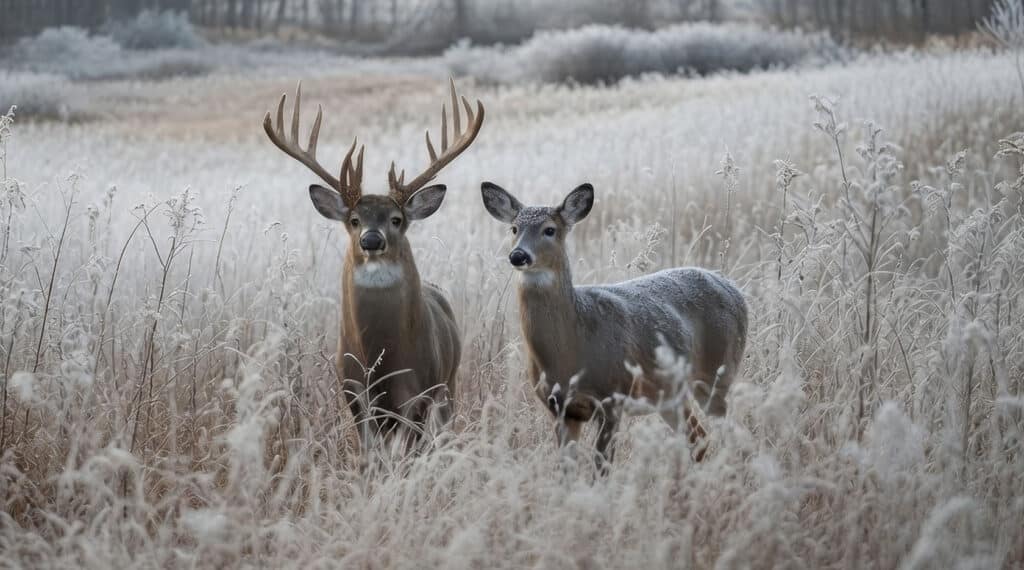
The upside is what hunters who own up here already know: the UP is a year-round recreational property. Spring turkey hunting, summer walleye and lake trout fishing on Lake Superior and inland lakes, fall deer and waterfowl hunting, winter snowmobiling and ice fishing. The same land supports multiple uses year-round, which changes how you value carrying costs.
Wisconsin’s Northwoods has similar year-round dynamics but far less snow. Pennsylvania’s Northern Tier has manageable winters. Southern states like Tennessee, Alabama, and South Carolina favor warm-weather use and limit summer hunting due to heat rather than a winter shutdown. If you want to actually live on the property part-time, climate isn’t a tiebreaker; it’s a primary criterion. It also shapes what wildlife management on the parcel looks like throughout the year.
Lake Superior sets the fall calendar here too, not just the snow. If you’re coming up in early October to walk a parcel, it’s worth knowing when fall colors actually peak in the Keweenaw before you pick the week. The ridge and the interior turn well ahead of the shoreline, so the same week can look completely different depending on where the land sits.
Drive Time From Where You Actually Live
The best hunting land is the land you’ll actually visit. A trophy parcel 18 hours from your house gets used twice a year. A decent parcel three hours away gets used twelve times a year.
From Chicago, the UP is roughly 7-8 hours, depending on which part. From Minneapolis St. Paul, the western UP is about 6 hours. From Milwaukee, similar. From Detroit, the UP is 8-9 hours. Michigan is a 12-13 hour drive tip to tip, and most of that’s UP.
Plains and southern hunting destinations are realistically a fly-in proposition for most Midwest buyers. Pennsylvania is reachable from East Coast metros but a haul from the Midwest. Wisconsin’s Northwoods is the most centrally accessible if you start from the Midwest.
Be honest about how often you’ll actually drive it. The land that gets hunted is the land that pays back what you put into it.
How I’d Weight These if I Were Buying
The eight criteria aren’t equally weighted; what matters depends on what kind of outdoorsman or person you are.
A serious trophy hunter chasing 150-class bucks and willing to fly in twice a season, weighing density and genetics first. The UP probably isn’t the answer. Iowa, southern Wisconsin, and parts of Illinois are better choices, really do have the better protein available for deer rack growth. Buying hunting land in those states usually means a higher price per acre and tighter out-of-state tag rules.
A hunting family or outdoor enthusiast looking for a multi-generational property that doubles as a summer cabin and winter snowmobile base, weighs public access, season length, climate as an amenity, and total cost. The UP scores well on all of those. Hunting opportunities span deer, bear, grouse, turkey, and waterfowl on a single year-round footprint.

A timberland investor buying a working asset that pays its own taxes treats the Commercial Forest program as a feature rather than a restriction. No tree stands or food plots on CF land, but the timber economics carry the property.
A retiree who hunts three weeks in November and ignores the land the other eleven months weighs drive time and density. Southern Midwest probably makes more sense than the UP.
The honest answer to “best place to buy hunting land” depends on which buyer you are.
Where the UP Actually Lands
Where the UP is structurally strong: cost per acre, public hunting land access, the Commercial Forest program, season length, and year-round usability. Where the UP is in the middle of the pack: bag-and-tag structure, easement, and mineral rights complexity. Where the UP loses to southern Wisconsin, Pennsylvania, and the corn-belt states: raw deer density, drive time from most major metros, and winter severity. If your priorities lean toward the first list, the UP is one of the most undervalued hunting land markets in the country right now excellent hunting at a price per acre that southern-tier states stopped offering a long time ago. If your priorities lean toward the second, look elsewhere, and you’ll be happier for it. And there’s nothing better than the fresh air you find in the UP! It’s still a wild place in the woods.
That’s the answer most buyers don’t get when they call. They get a pitch. I’d rather give you the framework and let you decide whether it’s good, bad, or indifferent.
If you want to talk UP specifically what’s on the market, what a CF-enrolled parcel actually looks like, what road access looks like in the western counties, give us a call. We sell vacant land in Houghton, Keweenaw, Baraga, and Ontonagon counties every month, and we’ll tell you straight whether what you’re looking at fits what you’re trying to do.
For the broader regional picture, read our Upper Peninsula Real Estate guide.

Written By: Kevin Liimatta
Kevin Liimatta is the Associate Broker and owner of State Wide Real Estate of Houghton. With a business degree from St. Thomas University and over a decade in business consulting, paired with years of hands-on construction experience, Kevin brings a rare combination of market knowledge and practical expertise to every transaction. He and his wife Kathy, also a licensed Realtor, live in rural Chassell on an old family farm ...
Upper Peninsula Real Estate Question?
Whether you're buying, selling, or getting started, give us a call. You'll talk to an agent, not a call center.